 EN
EN



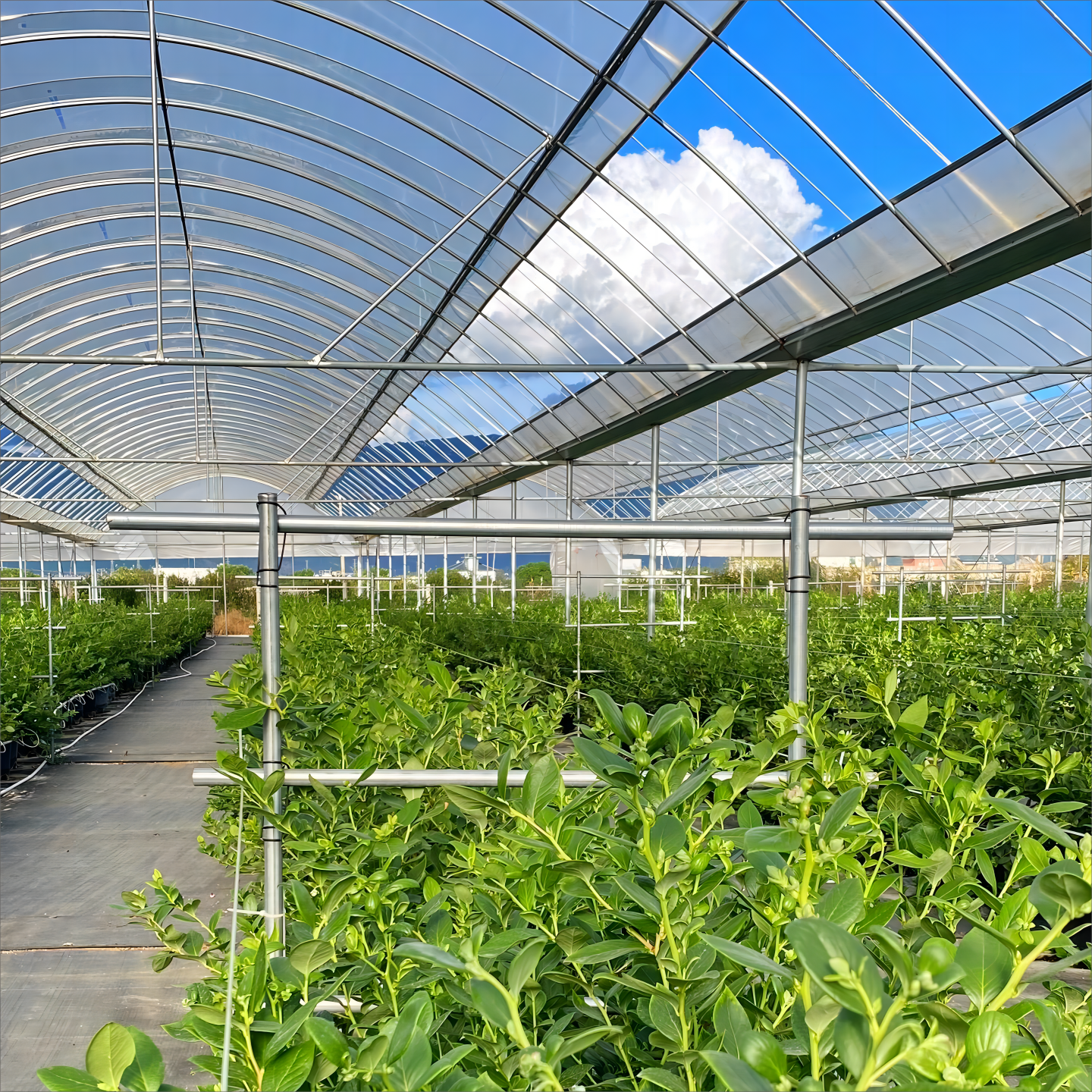
A plant greenhouse is a controlled environment structure designed to create optimal growing conditions for plants year-round, regardless of external weather patterns. These specialized agricultural facilities utilize transparent or translucent materials like glass or polycarbonate to capture sunlight while maintaining internal climate control through sophisticated heating, cooling, and ventilation systems.
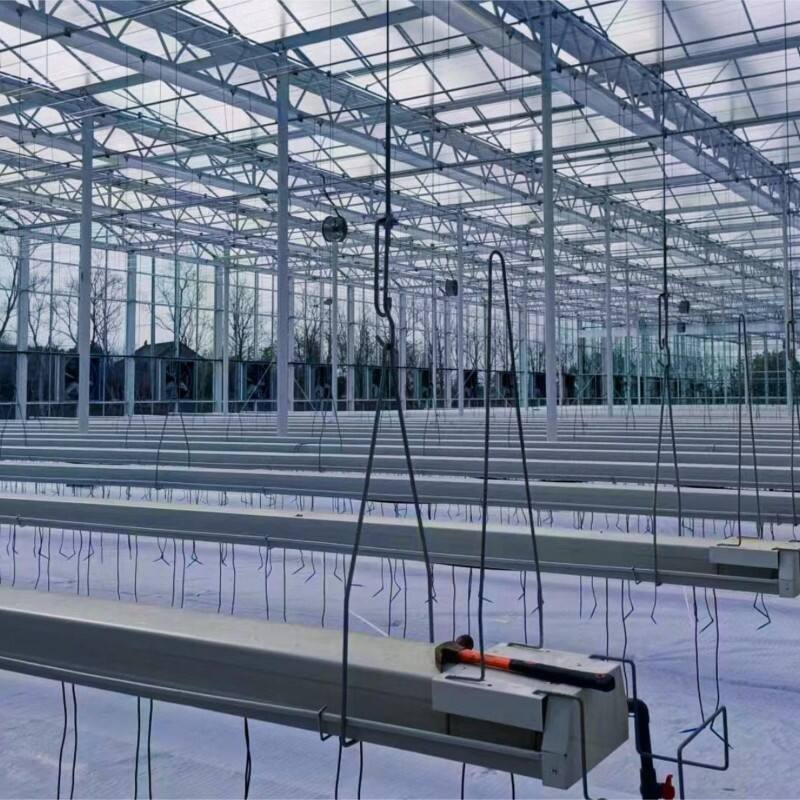
Modern plant greenhouse systems operate through precise environmental monitoring and automated control mechanisms that regulate temperature, humidity, light exposure, and air circulation. By creating this protective barrier between plants and the external environment, greenhouse structures enable farmers and growers to extend growing seasons, protect crops from adverse weather conditions, and maximize agricultural productivity through scientifically optimized growing conditions.
Essential Components of Plant Greenhouse Architecture
Structural Framework and Covering Materials
The foundation of any effective plant greenhouse begins with its structural framework, which must balance durability, light transmission, and thermal efficiency. Traditional plant greenhouse designs utilize aluminum or galvanized steel frameworks that provide robust support while minimizing shadows that could reduce light penetration to growing plants. The covering material selection significantly impacts the greenhouse's ability to maintain optimal growing conditions.
Glass remains the premium covering material for professional plant greenhouse applications due to its superior light transmission properties and longevity. Tempered glass panels offer excellent insulation characteristics while allowing maximum photosynthetically active radiation to reach plants. Alternative covering materials include polycarbonate panels, which provide better impact resistance and improved insulation compared to single-pane glass, making them suitable for regions with extreme weather conditions.
Foundation and Drainage Systems
Proper foundation design ensures structural stability and prevents moisture-related issues that could compromise plant health. A well-designed plant greenhouse foundation incorporates adequate drainage systems to prevent water accumulation around the structure's perimeter. This includes gravel beds, French drains, or specialized drainage channels that direct water away from the growing areas.
The foundation also serves as the base for installing heating systems, electrical infrastructure, and plumbing networks essential for modern greenhouse operations. Concrete foundations with integrated heating elements help maintain consistent floor temperatures, preventing root zone cooling that could stress sensitive plants during colder periods.
Climate Control Mechanisms in Plant Greenhouse Systems
Temperature Regulation Technology
Temperature control represents the most critical function of any plant greenhouse, requiring sophisticated heating and cooling systems to maintain optimal growing ranges for different crop types. Heating systems commonly include hot water boiler networks, forced-air heaters, or radiant heating elements installed beneath growing benches or in floor systems. These heating mechanisms ensure consistent temperatures even during extreme cold periods.
Cooling systems in modern plant greenhouse facilities utilize various approaches including exhaust fans, evaporative cooling pads, and misting systems. Automated ventilation systems equipped with temperature sensors continuously monitor internal conditions and activate cooling mechanisms when temperatures exceed predetermined thresholds, preventing heat stress that could damage sensitive crops.
Humidity and Air Circulation Management
Proper humidity control within a plant greenhouse prevents fungal diseases and ensures optimal transpiration rates for healthy plant development. Dehumidification systems remove excess moisture from the air during humid periods, while humidification systems add moisture when conditions become too dry. Automated controllers monitor relative humidity levels and activate appropriate systems to maintain ideal ranges for specific crop requirements.
Air circulation systems ensure uniform distribution of temperature and humidity throughout the plant greenhouse space. Horizontal airflow fans create gentle air movement that prevents stagnant conditions while avoiding direct airflow that could stress plants. This circulation also helps distribute carbon dioxide evenly, supporting photosynthetic processes across all growing areas within the facility.
Advanced Environmental Control Features
Automated Shading and Light Management
Modern plant greenhouse operations incorporate sophisticated shading systems that automatically respond to light intensity levels, protecting plants from excessive solar radiation during peak sunlight hours. Retractable shade cloths or louver systems reduce light penetration when sensors detect potentially harmful light levels, preventing leaf burn and excessive heat buildup within the growing environment.
Supplemental lighting systems provide additional illumination during periods of insufficient natural light, extending photoperiods or compensating for reduced sunlight during cloudy conditions. LED grow lights offer energy-efficient solutions that deliver specific light spectrums optimized for different growth phases, allowing precise control over plant development within the plant greenhouse environment.
Irrigation and Nutrient Delivery Systems
Precision irrigation systems within plant greenhouse facilities deliver water and nutrients directly to plant root zones through drip irrigation, overhead sprinklers, or hydroponic systems. These automated systems monitor soil moisture levels or nutrient solution conditions, activating irrigation cycles based on plant needs rather than fixed schedules.
Hydroponic plant greenhouse systems eliminate soil-based growing, instead delivering precisely formulated nutrient solutions directly to plant roots through various growing media. This approach allows for exact control over nutrient delivery while reducing water consumption and eliminating soil-borne diseases that could affect crop yields.
Operational Benefits and Agricultural Applications
Season Extension and Crop Protection
Plant greenhouse structures enable year-round crop production by protecting plants from adverse weather conditions including frost, hail, excessive wind, and temperature extremes. This protection allows farmers to extend growing seasons significantly beyond natural outdoor limitations, often enabling multiple harvests per year from crops that would normally produce only seasonal yields.
The controlled environment within a plant greenhouse also provides protection from pests and diseases that commonly affect outdoor crops. Physical barriers prevent insect infiltration while controlled entry points allow growers to implement integrated pest management strategies more effectively than in open-field agriculture.
Productivity Optimization and Resource Efficiency
Plant greenhouse cultivation typically produces significantly higher yields per square foot compared to traditional outdoor farming methods. The optimized growing conditions, protection from weather-related stress, and ability to provide ideal nutrition and water delivery result in faster plant growth rates and more consistent harvests throughout the year.
Resource efficiency improvements in plant greenhouse operations include reduced water consumption through recycling systems, minimized fertilizer waste through precise application methods, and decreased pesticide requirements due to the controlled environment. These efficiencies contribute to more sustainable agricultural practices while reducing operational costs over time.
Implementation Considerations for Plant Greenhouse Projects
Site Selection and Planning Requirements
Successful plant greenhouse implementation requires careful site selection considering factors such as solar orientation, wind exposure, drainage characteristics, and proximity to utilities. Optimal positioning maximizes natural light capture while minimizing exposure to prevailing winds that could increase heating costs or cause structural stress.
Planning considerations include local climate patterns, intended crop types, and production goals that influence the specific plant greenhouse design requirements. Different crops require varying temperature ranges, humidity levels, and light conditions, necessitating customized environmental control systems to achieve optimal growing conditions for target plants.
Technology Integration and Automation Systems
Modern plant greenhouse facilities integrate sophisticated computer control systems that monitor multiple environmental parameters simultaneously and make automatic adjustments to maintain optimal growing conditions. These systems collect data on temperature, humidity, light levels, soil moisture, and nutrient concentrations, using this information to optimize plant growth while minimizing resource consumption.
Remote monitoring capabilities allow plant greenhouse operators to oversee facility conditions from any location, receiving alerts when environmental parameters exceed acceptable ranges. This technology integration enables more efficient management while reducing labor requirements for routine monitoring and adjustment tasks.
FAQ
How much does it cost to build and operate a plant greenhouse?
Plant greenhouse construction costs vary significantly based on size, complexity, and automation level, typically ranging from $15-50 per square foot for basic structures up to $100-300 per square foot for high-tech automated facilities. Operating costs include heating, cooling, electricity for lighting and controls, water, nutrients, and labor, generally representing 30-60% of total production expenses depending on crop type and local energy costs.
What types of plants grow best in greenhouse environments?
Most vegetable crops, herbs, flowers, and specialty plants thrive in plant greenhouse environments, with tomatoes, cucumbers, peppers, lettuce, herbs, and cut flowers being among the most commercially successful greenhouse crops. The controlled environment allows cultivation of heat-sensitive crops during cold seasons and extends growing periods for warm-season plants, making almost any plant suitable for greenhouse production with proper environmental management.
How long do plant greenhouse structures typically last?
Well-constructed plant greenhouse structures with quality materials can last 20-30 years or longer with proper maintenance, though covering materials may require replacement every 10-20 years depending on the material type. Glass coverings generally last longer than plastic alternatives, while structural components like aluminum frameworks can function for decades when properly maintained and protected from corrosion.
Do plant greenhouses require special permits or regulations?
Most plant greenhouse installations require building permits and must comply with local zoning regulations, structural codes, and agricultural facility requirements. Commercial operations may need additional permits for water usage, waste discharge, and business licensing, while some regions have specific regulations regarding greenhouse emissions, energy usage, or organic certification requirements depending on intended production methods and market destinations.