 EN
EN



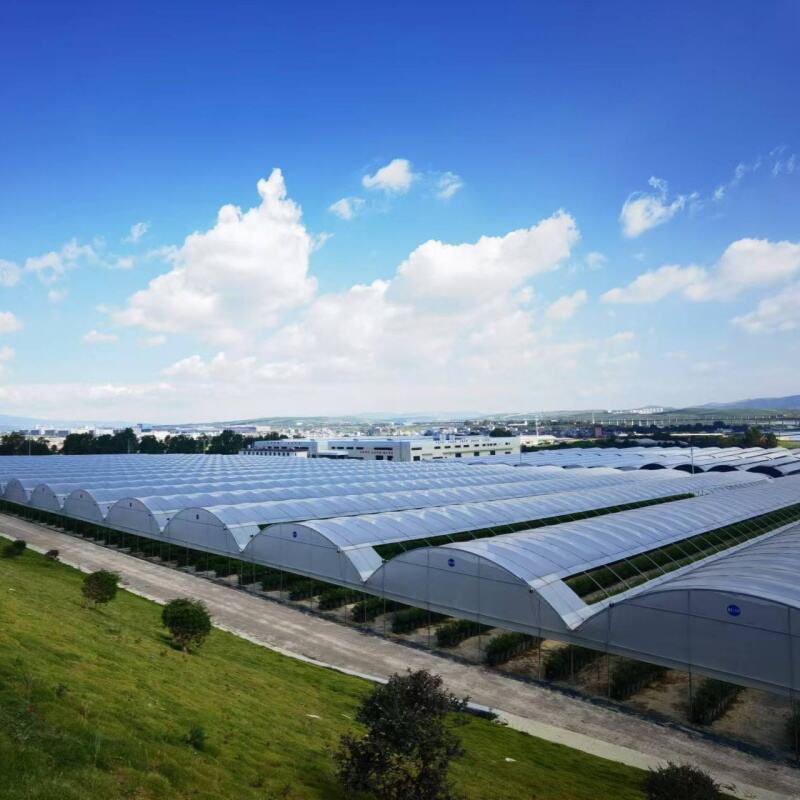
For farmers looking to increase yield reliability and extend growing seasons, the berry greenhouse has emerged as one of the most strategically sound investments in modern agriculture. Unlike open-field cultivation, a controlled growing environment gives berry producers the ability to manage climate variables, reduce crop loss, and bring fruit to market at times when competition is lowest and prices are highest. These advantages translate directly into stronger margins and more predictable revenue streams for farming operations of all sizes.
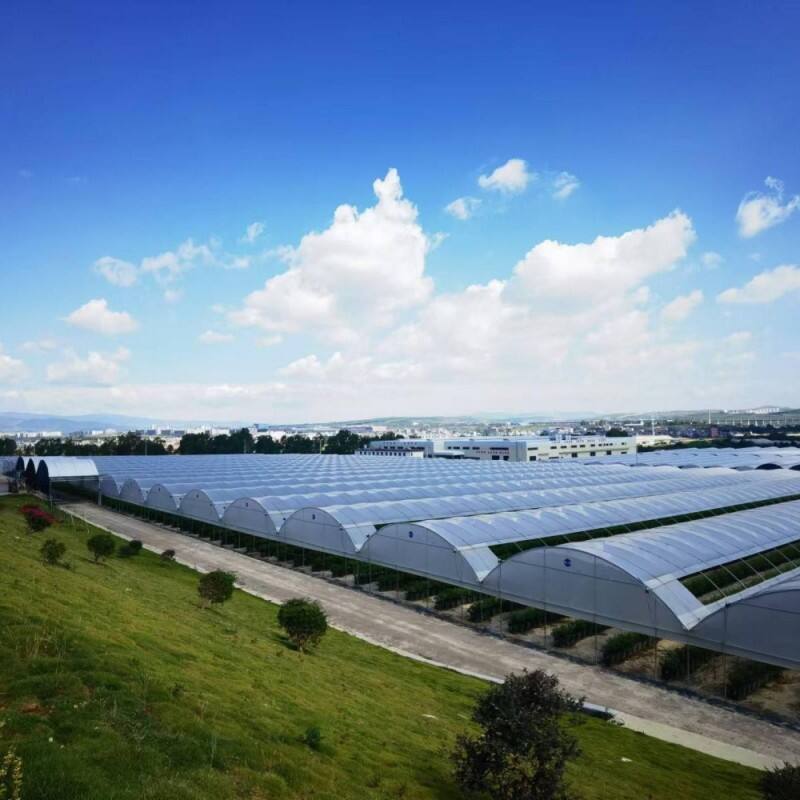
Understanding what drives profitability in a berry greenhouse operation requires looking beyond the structure itself. The real value lies in how the system integrates climate control, crop scheduling, input efficiency, and market timing into a unified production model. Farmers who grasp these interconnected factors are consistently better positioned to generate returns that justify the initial capital outlay and sustain long-term growth. This article breaks down the core profitability drivers so growers can make informed decisions about adopting or expanding berry greenhouse production.
Extended Growing Seasons and Market Timing Advantages
Breaking Free from Seasonal Constraints
One of the most immediate profitability drivers of a berry greenhouse is the ability to produce fruit outside of the natural growing window. Open-field berry cultivation is tightly bound to regional climate patterns, which means most growers in temperate zones are competing in the same narrow harvest window. This seasonal clustering drives down prices precisely when supply peaks. A berry greenhouse decouples production from outdoor seasonality, allowing farmers to harvest during off-peak months when wholesale and retail prices are significantly higher.
In practical terms, a well-managed berry greenhouse can extend the productive season by several months depending on the crop variety and the sophistication of the climate control system. Blueberries, strawberries, and raspberries all respond well to controlled environment agriculture, and each has distinct market windows where premium pricing is achievable. Farmers who time their harvests to align with these windows consistently report higher per-kilogram returns compared to field-grown counterparts.
The financial logic is straightforward: the same volume of fruit sold during a supply gap commands a meaningfully higher price than fruit sold during peak season. Over a full production year, this pricing differential can substantially improve gross revenue without requiring any increase in planted area or labor input. The berry greenhouse essentially converts timing into a competitive advantage.
Year-Round Cash Flow Stability
Beyond premium pricing, extended seasons contribute to more stable cash flow throughout the year. Traditional berry farming concentrates revenue into a short window, which creates financial pressure during off-months when fixed costs such as land payments, equipment maintenance, and labor overhead continue to accumulate. A berry greenhouse smooths this revenue curve by enabling multiple harvest cycles or staggered planting schedules that distribute income more evenly across the calendar.
This cash flow stability has practical implications for farm management. It reduces reliance on seasonal credit facilities, makes payroll planning more predictable, and allows reinvestment decisions to be made from a position of financial strength rather than urgency. For smaller farming operations in particular, the ability to generate consistent monthly revenue from a berry greenhouse can be the difference between sustainable growth and chronic financial stress.
Input Efficiency and Yield Optimization
Precision Resource Management Inside the Structure
A berry greenhouse environment allows farmers to apply water, nutrients, and crop protection inputs with a level of precision that is simply not achievable in open-field conditions. Drip irrigation systems integrated into greenhouse growing beds deliver moisture directly to the root zone, reducing water consumption by a significant margin compared to overhead irrigation or flood methods. This efficiency matters both for operating cost reduction and for regulatory compliance in regions where water use is increasingly restricted.
Nutrient delivery through fertigation systems in a berry greenhouse allows growers to tailor feeding programs to the exact growth stage of the crop. This targeted approach reduces fertilizer waste, minimizes the risk of nutrient runoff, and supports more consistent fruit quality. When inputs are used more efficiently, the cost per kilogram of fruit produced decreases, which directly improves the gross margin on every unit sold.
Pest and disease management also becomes more controllable inside a berry greenhouse. Physical barriers reduce exposure to airborne pathogens and flying insects, which are among the primary causes of crop loss and quality degradation in open-field berry production. Reduced pesticide applications lower input costs and support compliance with food safety standards that are increasingly required by premium retail and export buyers.
Higher Yields Per Unit Area
The controlled conditions inside a berry greenhouse consistently support higher yields per square meter than field production. Optimized temperature ranges, humidity management, and light supplementation during low-light periods all contribute to more vigorous plant growth and higher fruit set rates. For crops like blueberries, which are particularly sensitive to temperature fluctuations during flowering, the protection offered by a greenhouse structure can prevent the partial crop failures that regularly affect open-field growers.
Higher yields per unit area are especially significant for farmers operating on limited land. A berry greenhouse allows a smaller footprint to generate revenue that would otherwise require substantially more open-field acreage. This land efficiency is a key profitability factor in regions where agricultural land is expensive or scarce, and it also reduces the logistical complexity of managing large dispersed growing areas.
Crop Quality and Premium Market Access
Consistent Quality as a Commercial Asset
Retail buyers, food service distributors, and export markets all place a premium on consistency. A berry greenhouse gives farmers the tools to deliver fruit that meets tight specifications for size, color, sugar content, and shelf life across multiple harvests throughout the year. This consistency is difficult to achieve in open-field production, where weather variability introduces unpredictable quality fluctuations from one week to the next.
When a farming operation can reliably supply consistent quality, it becomes a preferred supplier rather than a commodity vendor. Preferred supplier status typically comes with longer-term contracts, more stable pricing agreements, and reduced exposure to spot market volatility. These commercial relationships are a structural profitability advantage that compounds over time as the reputation of the berry greenhouse operation becomes established in the market.
The ability to produce clean, residue-compliant fruit also opens access to organic certification pathways and premium retail channels that carry higher price points. Many berry greenhouse operators find that the combination of reduced pesticide use and documented growing conditions makes certification more achievable than in conventional field production, further expanding the range of profitable market channels available to them.
Reduced Post-Harvest Loss
Post-harvest loss is a significant but often underestimated cost in berry production. Fruit that is damaged by rain, hail, or excessive heat in the field before harvest represents a direct loss of revenue and a waste of all the inputs invested in growing it. A berry greenhouse eliminates most weather-related post-harvest risk by keeping fruit protected until it is ready for picking. This protection alone can meaningfully improve the effective yield that actually reaches the market and generates revenue.
Inside a berry greenhouse, harvest timing can also be managed more precisely. Growers can pick fruit at optimal ripeness rather than rushing to harvest ahead of an incoming weather event. Fruit picked at peak ripeness has better flavor, longer shelf life, and higher consumer appeal, all of which support premium pricing and reduce the volume of fruit that is downgraded or rejected at the packing stage.
Scalability and Long-Term Return on Investment
Modular Expansion and Capital Planning
Modern berry greenhouse systems are designed with scalability in mind. Farmers can begin with a single structure, establish their production systems and market relationships, and then expand capacity incrementally as cash flow allows. This modular approach reduces the financial risk associated with large upfront commitments and allows growers to refine their operational model before scaling it. Each additional berry greenhouse unit added to the operation benefits from the infrastructure, knowledge, and market access already established by the initial installation.
The capital cost of a berry greenhouse is a real consideration, but it should be evaluated against the full revenue and cost profile over the productive life of the structure. High-quality greenhouse systems are designed to operate for many years with appropriate maintenance, and the cumulative revenue advantage from extended seasons, higher yields, and premium pricing typically generates a return on investment that compares favorably with other agricultural capital expenditures.
Resilience Against Climate and Market Volatility
Climate unpredictability is an increasing risk for all agricultural producers. Extreme weather events, unseasonal frosts, prolonged droughts, and erratic rainfall patterns are becoming more frequent in many growing regions, and open-field berry production is directly exposed to all of these risks. A berry greenhouse provides a physical buffer against climate volatility, protecting the crop from conditions that would otherwise cause partial or total loss. This resilience has a direct financial value that becomes more significant as climate risk increases.
Market volatility is another risk that a berry greenhouse helps to manage. By enabling off-season production and consistent quality supply, greenhouse operators are less dependent on the spot market dynamics that can compress margins for field growers during peak supply periods. The ability to choose when and where to sell, backed by a reliable production system, gives berry greenhouse farmers a degree of commercial leverage that is not available to producers who are constrained by seasonal and weather-driven supply patterns.
FAQ
What types of berries are most suitable for greenhouse production?
Blueberries, strawberries, and raspberries are among the most commercially successful crops for berry greenhouse production. Each variety has specific climate requirements, but all three respond well to controlled environment growing conditions. Blueberries in particular benefit significantly from greenhouse protection during the sensitive flowering stage, while strawberries and raspberries are well suited to high-density growing systems that maximize yield per square meter inside the structure.
How long does it typically take to recover the investment in a berry greenhouse?
The payback period for a berry greenhouse varies depending on the scale of the installation, the crop variety, local market prices, and the efficiency of the production system. Many well-managed operations achieve full capital recovery within four to seven years, with ongoing profitability thereafter. Farmers who successfully access premium retail or export markets, or who produce during high-value off-season windows, often report shorter payback periods due to the pricing advantages those channels provide.
Does a berry greenhouse require specialized labor or technical expertise?
Operating a berry greenhouse does require a higher level of technical knowledge than open-field production, particularly in areas such as climate control management, fertigation programming, and integrated pest management. However, most modern greenhouse systems are designed with user-friendly controls, and the learning curve is manageable for farmers who are willing to invest time in training. Many greenhouse suppliers also provide technical support and agronomic guidance as part of their service offering, which helps new operators build competence efficiently.
Can a berry greenhouse operation qualify for agricultural subsidies or financing programs?
In many countries and regions, berry greenhouse investments are eligible for agricultural development grants, low-interest financing programs, or tax incentives designed to support modernization of the farming sector. The specific programs available depend on the local regulatory environment, but it is worth consulting with agricultural development agencies or financial advisors before committing to a project. Access to subsidized financing can meaningfully improve the economics of a berry greenhouse investment and accelerate the path to profitability.
Table of Contents
- Extended Growing Seasons and Market Timing Advantages
- Input Efficiency and Yield Optimization
- Crop Quality and Premium Market Access
- Scalability and Long-Term Return on Investment
-
FAQ
- What types of berries are most suitable for greenhouse production?
- How long does it typically take to recover the investment in a berry greenhouse?
- Does a berry greenhouse require specialized labor or technical expertise?
- Can a berry greenhouse operation qualify for agricultural subsidies or financing programs?