 EN
EN



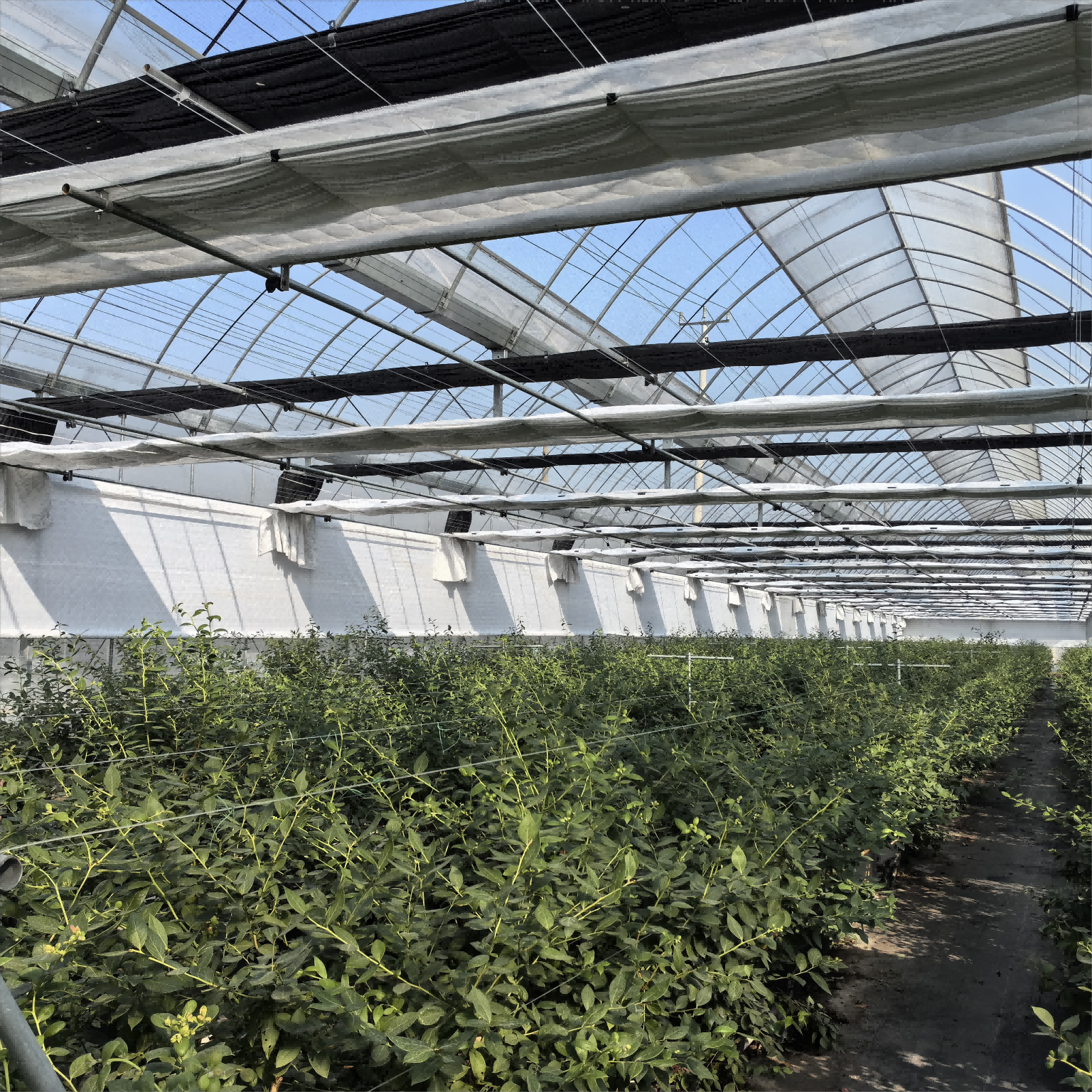
A gothic greenhouse has become one of the most sought-after structures among serious growers, hobbyists, and commercial cultivators alike. Its distinctive arched roofline, reminiscent of cathedral architecture, is not merely an aesthetic choice — it is a functional design that directly supports plant health, structural resilience, and growing efficiency across every season of the year. Understanding what sets this structure apart helps growers make smarter decisions about their long-term cultivation investments.
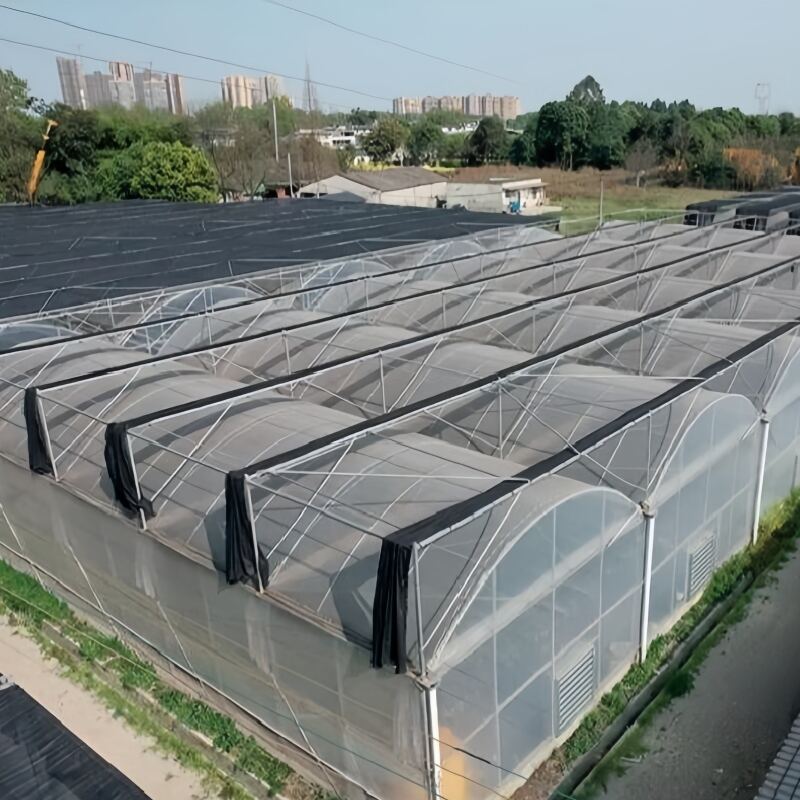
Year-round growing demands more than just a covered space. It requires a structure that manages temperature fluctuations, handles weather extremes, maximizes natural light, and supports consistent airflow — all without requiring constant manual intervention. The gothic greenhouse delivers on each of these fronts through a combination of intelligent geometry, durable materials, and practical design logic that has been refined over decades of real-world agricultural use. This article explores exactly why this structure is so well suited to uninterrupted, all-season cultivation.
The Geometry Behind the Gothic Greenhouse Design
Why the Arched Profile Matters
The defining feature of a gothic greenhouse is its pointed arch profile, which differs significantly from the rounded Quonset style or the traditional A-frame design. This arch creates steeper sidewalls that rise sharply before curving inward at the peak. The result is a structure that sheds rain, snow, and debris far more efficiently than flatter roof profiles. In regions with heavy snowfall, this characteristic alone can be the difference between a greenhouse that survives winter intact and one that collapses under accumulated load.
The steep pitch of a gothic greenhouse roof means that snow slides off naturally rather than building up in dangerous quantities. This passive shedding mechanism reduces the need for manual snow removal and lowers the structural stress placed on the frame during winter months. For growers in northern climates or high-altitude regions, this is a critical advantage that directly extends the usable growing season without adding operational burden.
Beyond snow management, the arch geometry also contributes to superior wind resistance. The curved surface deflects wind pressure rather than catching it flat-on, which reduces the lateral forces acting on the frame. This makes the gothic greenhouse a structurally sound choice for exposed sites, open fields, and coastal growing environments where wind loads are a persistent concern.
Interior Volume and Vertical Growing Space
The pointed arch of a gothic greenhouse creates a taller interior volume compared to many other greenhouse styles of equivalent footprint. This additional headroom is not wasted space — it directly benefits growers who cultivate tall crops such as tomatoes, cucumbers, peppers, and climbing ornamentals. Vertical growing systems, trellises, and hanging baskets can all be accommodated more easily within the generous interior height that this design naturally provides.
Taller interior volume also plays a role in thermal management. Hot air rises, and in a gothic greenhouse, that warm air accumulates near the peak rather than immediately pressing down on plant canopies. This stratification effect can be managed through ridge vents and roof ventilation systems, allowing growers to exhaust excess heat during summer while retaining warmth at plant level during cooler months. The result is a more stable and controllable growing environment throughout the year.
For commercial operations, the vertical space within a gothic greenhouse translates directly into higher yield potential per square meter of ground area. When growing systems are designed to take advantage of the full interior height, the effective cultivation capacity of the structure increases substantially without requiring a larger footprint or additional land investment.
Year-Round Climate Control in a Gothic Greenhouse
Thermal Performance Across Seasons
One of the primary reasons growers choose a gothic greenhouse for year-round cultivation is its thermal performance. The arched profile, combined with appropriate covering materials such as twin-wall polycarbonate or multi-layer polyethylene film, creates an effective thermal envelope that retains heat during cold periods and can be managed to prevent overheating during warm months. This balance is essential for maintaining consistent growing conditions regardless of external temperature swings.
During winter, the gothic greenhouse acts as a passive solar collector. The steep sidewalls and curved roof allow sunlight to enter at a wide range of angles throughout the day, maximizing the amount of solar energy captured even when the sun is low on the horizon. This passive heat gain reduces the energy required from supplemental heating systems, lowering operational costs while maintaining the temperatures that crops need to thrive.
In summer, the same geometry that captures winter sun can be managed through ventilation to prevent heat buildup. Ridge vents positioned at the peak of the gothic greenhouse allow hot air to escape naturally through convection, while side vents or roll-up walls introduce cooler air at plant level. This natural ventilation stack effect is more effective in a gothic greenhouse than in lower-profile structures because the greater height difference between inlet and outlet vents drives stronger airflow.
Humidity and Condensation Management
Humidity control is a persistent challenge in enclosed growing environments, and the gothic greenhouse handles this challenge more effectively than many alternative designs. The steep roof pitch encourages condensation to run down the interior surface of the covering material and drain away at the base rather than dripping directly onto plant canopies. This drip-free interior environment reduces the risk of fungal diseases, leaf spotting, and root rot that can devastate crops in poorly managed greenhouse conditions.
The airflow dynamics within a gothic greenhouse also contribute to humidity management. When ventilation is properly configured, moist air is continuously exchanged with drier outside air, preventing the stagnant, high-humidity conditions that encourage pathogen development. For growers cultivating disease-sensitive crops such as strawberries, lettuce, or ornamental flowers, this passive humidity management capability is a significant operational advantage.
Growers who operate a gothic greenhouse through all four seasons often report fewer disease pressure events compared to those using flat-roof or low-pitch structures. While no greenhouse design eliminates disease risk entirely, the combination of condensation drainage and natural airflow in a gothic greenhouse creates conditions that are inherently less favorable to the pathogens that cause the most common crop losses.
Structural Durability and Material Compatibility
Frame Materials and Load-Bearing Capacity
The gothic greenhouse is typically constructed with galvanized steel or aluminum framing, both of which offer excellent corrosion resistance and long service life in agricultural environments. The arch shape distributes structural loads efficiently along the curve of the frame, which means that the gothic greenhouse can achieve high load-bearing capacity without requiring the heavy, expensive framing that flat or low-pitch roof designs often need to handle equivalent snow and wind loads.
Galvanized steel frames are particularly well suited to large-span gothic greenhouse structures where rigidity and strength are priorities. The hot-dip galvanizing process creates a zinc coating that protects the steel from rust and corrosion for decades, even in humid growing environments where moisture exposure is constant. This durability translates into a lower total cost of ownership over the life of the structure, as frame replacement and repair costs remain minimal.
Aluminum framing offers a lighter-weight alternative that is easier to handle during installation and naturally resistant to corrosion without additional coating. For smaller gothic greenhouse installations or situations where ease of assembly is a priority, aluminum frames provide a practical and durable solution. The choice between steel and aluminum ultimately depends on the scale of the installation, the local climate conditions, and the specific crops being cultivated.
Covering Material Options for All-Season Use
The covering material selected for a gothic greenhouse has a direct impact on its year-round performance. Twin-wall polycarbonate panels are among the most popular choices for permanent gothic greenhouse installations because they combine high light transmission with excellent thermal insulation. The dual-layer construction traps a layer of insulating air between the panels, significantly reducing heat loss during cold nights while still allowing the diffused light that promotes even crop growth.
Polyethylene film coverings are widely used in commercial gothic greenhouse operations where cost efficiency and ease of replacement are priorities. Modern greenhouse-grade polyethylene films incorporate UV stabilizers, infrared blockers, and anti-drip additives that extend their service life and improve their performance across seasons. A well-specified polyethylene film can provide two to four years of reliable service before replacement is needed, making it a cost-effective option for large-scale operations.
Glass remains an option for gothic greenhouse construction where maximum light transmission and a premium aesthetic are desired. While heavier and more expensive than polycarbonate or film, glass offers unmatched clarity and longevity. For heritage gardens, botanical collections, or high-value ornamental production, a glass-covered gothic greenhouse represents a long-term investment in both function and appearance.
Practical Advantages for Commercial and Hobby Growers
Scalability and Modular Expansion
One of the practical strengths of the gothic greenhouse as a growing structure is its scalability. The arch-based design can be extended in length simply by adding additional bays to the existing frame, allowing growers to expand their production capacity incrementally as demand grows. This modular approach to expansion means that a grower can start with a modest gothic greenhouse installation and scale up over time without needing to replace the original structure or invest in an entirely new facility.
For commercial operations, the ability to expand a gothic greenhouse in a planned, systematic way is a significant business advantage. Capital investment can be staged to match revenue growth, reducing financial risk while still allowing the operation to scale toward its long-term production targets. The consistent arch geometry of the gothic greenhouse makes it straightforward to match new bays to existing ones, maintaining structural integrity and aesthetic consistency across the expanded facility.
Hobby growers and small-scale market gardeners also benefit from the scalability of the gothic greenhouse. A single-bay structure provides a meaningful growing space for personal use or small market sales, while the option to add bays later means that the initial investment does not limit future ambitions. This flexibility makes the gothic greenhouse a practical choice for growers at every stage of their cultivation journey.
Ease of Integration with Growing Systems
The interior layout of a gothic greenhouse is highly compatible with a wide range of modern growing systems. Hydroponic channels, NFT systems, raised bed configurations, and container growing setups can all be accommodated within the open floor plan that the arch structure provides. The absence of interior support columns in most gothic greenhouse designs means that the full floor area is available for productive use, maximizing the return on the structure's footprint.
Irrigation systems, heating infrastructure, and supplemental lighting can all be integrated into a gothic greenhouse with relative ease. The overhead structure provides natural mounting points for drip lines, grow lights, and environmental sensors, while the ridge and sidewall positions offer logical locations for ventilation equipment. This integration-friendly design reduces the complexity and cost of equipping a gothic greenhouse for professional-level production.
Automation is increasingly important in modern greenhouse production, and the gothic greenhouse is well suited to the installation of automated climate control, irrigation management, and monitoring systems. The consistent geometry of the structure simplifies sensor placement and system calibration, making it easier to achieve the precise environmental control that high-value crops require. For growers investing in automation, the gothic greenhouse provides a reliable and predictable physical environment that supports accurate system performance.
FAQ
What is the main structural advantage of a gothic greenhouse over other greenhouse styles?
The primary structural advantage of a gothic greenhouse is its pointed arch profile, which efficiently distributes loads along the curve of the frame. This geometry allows the structure to shed snow and resist wind more effectively than flat or low-pitch designs, reducing the risk of structural failure under heavy weather loads. The arch also provides a taller interior volume that benefits both plant growth and climate management.
Is a gothic greenhouse suitable for use in hot climates as well as cold ones?
Yes, a gothic greenhouse performs well in both hot and cold climates. In hot conditions, the tall interior volume and ridge ventilation system allow heat to escape efficiently through natural convection, keeping temperatures at plant level within acceptable ranges. In cold climates, the steep roof sheds snow passively and the enclosed structure retains solar heat effectively. With appropriate covering materials and ventilation design, a gothic greenhouse can be optimized for virtually any climate zone.
How long does a gothic greenhouse typically last?
The service life of a gothic greenhouse depends primarily on the frame material and covering used. Galvanized steel frames can last 20 to 30 years or more with minimal maintenance, while aluminum frames offer similar longevity with even lower corrosion risk. Polycarbonate coverings typically last 10 to 15 years before UV degradation affects light transmission, while polyethylene film coverings are generally replaced every two to four years. With proper maintenance, a well-built gothic greenhouse represents a durable, long-term growing infrastructure investment.
Can a gothic greenhouse be used for crops other than vegetables?
Absolutely. A gothic greenhouse is suitable for a wide range of crops beyond vegetables, including cut flowers, potted ornamentals, herbs, seedling propagation, fruit crops, and even aquaponic systems. The flexible interior layout, generous headroom, and controllable climate make the gothic greenhouse adaptable to virtually any crop type. Many growers use a single gothic greenhouse to cultivate multiple crop categories simultaneously by dividing the interior into climate zones with shade cloth or thermal curtains.