 EN
EN



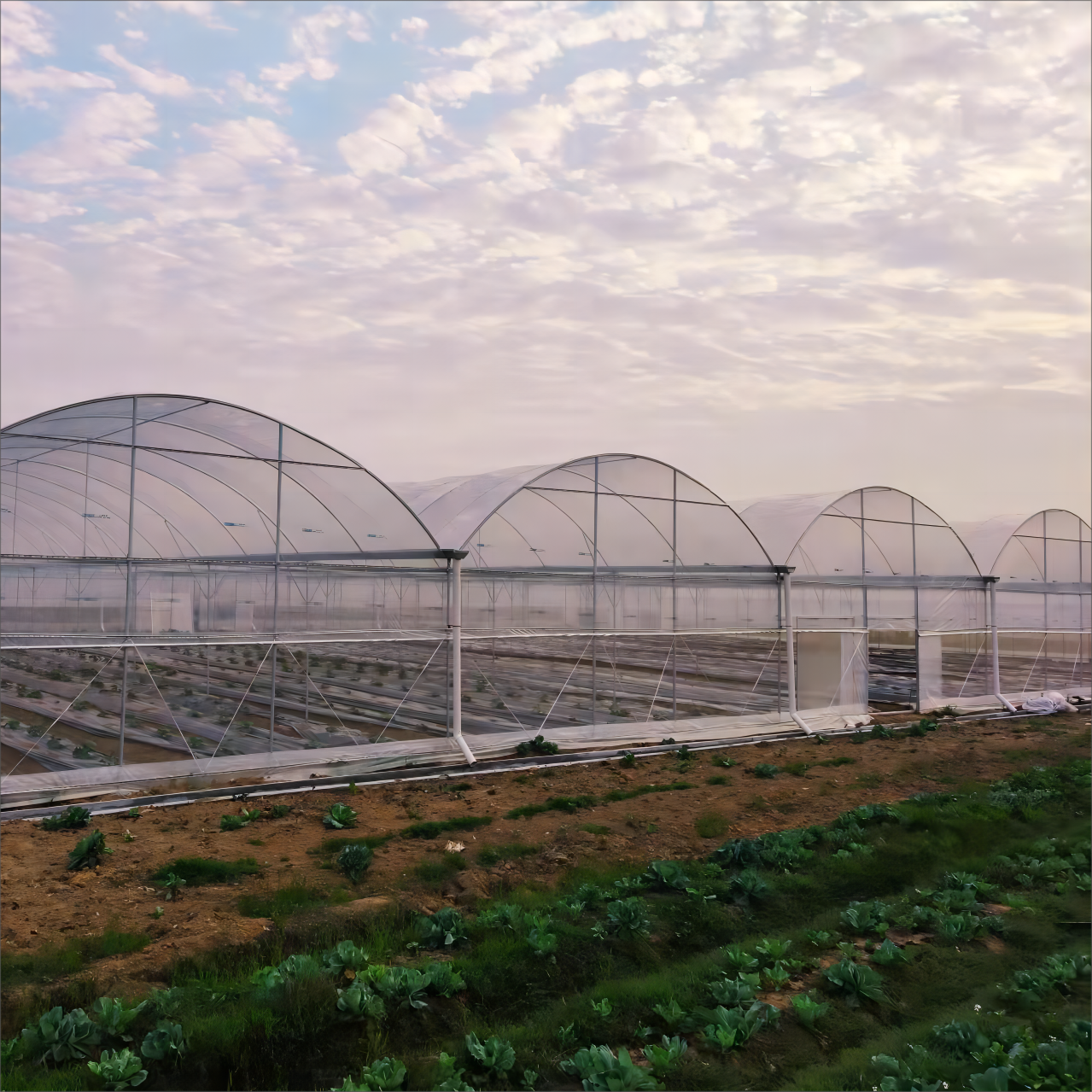
When growers evaluate their options for berry production, the choice between a berry greenhouse and traditional outdoor farming is rarely straightforward. Each approach carries distinct advantages, operational demands, and economic implications that depend heavily on crop type, climate zone, market timing, and long-term business goals. Understanding how these two systems compare at a practical level is essential for any grower looking to optimize yield, quality, and profitability.
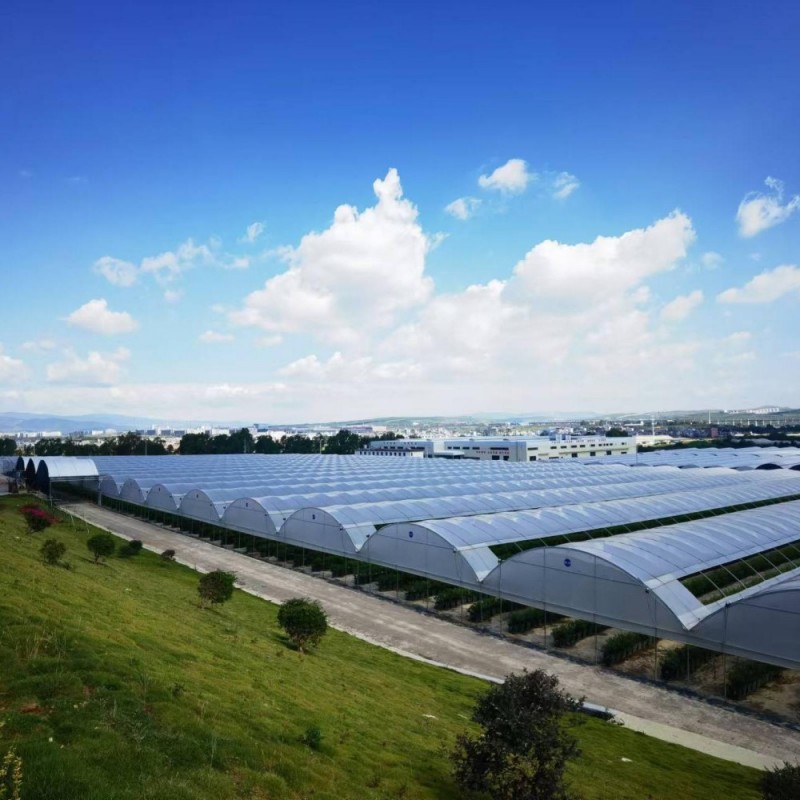
The berry greenhouse model has gained significant traction across commercial horticulture in recent years, driven by rising consumer demand for year-round fresh berries, increasing climate unpredictability, and advances in controlled environment agriculture. At the same time, outdoor farming remains the backbone of global berry production, offering lower capital costs and the natural growing conditions that many crops respond well to. This article breaks down the key differences across climate control, yield consistency, pest management, labor, and economic performance so growers can make an informed comparison.
Climate Control and Growing Season
How a Berry Greenhouse Extends the Production Window
One of the most significant advantages of a berry greenhouse over outdoor farming is the ability to extend or entirely decouple the growing season from local weather patterns. In a controlled environment, temperature, humidity, and light levels can be managed to create near-optimal conditions regardless of what is happening outside. This means growers in temperate or cold climates can produce strawberries, blueberries, or raspberries well outside their natural outdoor season.
For commercial operations targeting premium markets or retail contracts that require consistent supply, this extended window is a major competitive advantage. A berry greenhouse allows growers to schedule harvests around market demand rather than around seasonal availability. In regions where outdoor berry seasons last only eight to twelve weeks, a greenhouse operation can stretch production to six months or more with the right infrastructure and variety selection.
The ability to maintain stable nighttime temperatures is particularly valuable for crops like blueberries and strawberries, which are sensitive to late frosts and temperature swings during flowering. Outdoor growers in frost-prone areas often lose a portion of their crop to unexpected cold events, while berry greenhouse operators can mitigate this risk almost entirely through heating systems and thermal screens.
Outdoor Farming and Natural Climate Dependency
Outdoor berry farming is inherently tied to regional climate cycles. Growers in favorable climates such as parts of California, Spain, or Morocco benefit from long natural seasons and mild temperatures that reduce the need for artificial climate management. In these regions, outdoor production can be highly cost-effective because the environment does the work that a berry greenhouse would otherwise need to replicate mechanically.
However, climate variability is increasing globally, and outdoor growers face growing exposure to drought, excessive rainfall, hail, and unseasonal temperature extremes. These events can cause significant crop losses that are difficult to insure against fully. The outdoor model offers lower infrastructure costs but transfers more risk to the grower in terms of weather dependency.
For growers in regions with reliable, mild climates and established outdoor berry industries, the case for transitioning to a berry greenhouse is less urgent. But for those in northern Europe, northern Asia, or highland regions with short summers, the controlled environment model offers a fundamentally different risk profile that many find worth the investment.
Yield Quality and Consistency
Consistency Advantages Inside a Berry Greenhouse
Yield consistency is one of the clearest differentiators between berry greenhouse production and outdoor farming. Inside a controlled structure, growers can maintain stable growing conditions that reduce the variability that outdoor environments introduce. This translates directly into more uniform fruit size, color, and sugar content across harvests, which is increasingly important for retail and export markets that demand tight quality specifications.
A berry greenhouse also allows growers to use substrate-based growing systems such as coir or perlite in raised gutters, which gives precise control over root zone conditions, irrigation, and nutrition. This level of control is simply not achievable in open-field production, where soil variability, drainage differences, and nutrient leaching all contribute to inconsistent results across a field.
The result is that berry greenhouse operations often achieve higher marketable yield percentages than outdoor farms, even if total biomass production per plant is similar. Fewer fruits are lost to weather damage, soil-borne disease, or irregular ripening, which improves the economic return per square meter of growing area.
Outdoor Yield Potential and Natural Flavor Development
Outdoor farming, particularly in well-suited climates, can produce berries with exceptional flavor profiles that are difficult to replicate in a controlled environment. Natural diurnal temperature variation, full-spectrum sunlight, and soil-based growing conditions contribute to the development of complex sugars and aromatic compounds that many consumers and chefs associate with premium quality.
Outdoor berry farms also benefit from lower energy costs, which allows them to operate at larger scales with lower per-unit production costs in favorable conditions. For commodity markets where price competition is intense, the lower overhead of outdoor production can be a decisive advantage over a berry greenhouse operation that carries significant energy and infrastructure costs.
That said, outdoor yield is subject to annual variation. A late frost, a wet summer, or a drought year can reduce yields by twenty to forty percent, creating cash flow challenges that greenhouse operators are largely insulated from. The trade-off between natural quality potential and production reliability is a central consideration in the comparison between these two systems.
Pest and Disease Management
Controlled Environment Pest Pressure in a Berry Greenhouse
A berry greenhouse provides a physical barrier against many of the pest and disease pressures that outdoor growers face. Insects, birds, and airborne fungal spores have limited access to crops grown under cover, which reduces the frequency and severity of infestations. This can significantly lower pesticide use, which is increasingly important for growers targeting organic certification or markets with strict residue limits.
Integrated pest management is also more effective inside a berry greenhouse because the enclosed environment allows biological control agents such as predatory insects to establish and persist without being washed away by rain or dispersed by wind. Growers can introduce beneficial insects like Phytoseiulus persimilis for spider mite control or Amblyseius cucumeris for thrips management with greater confidence that these agents will remain active in the crop.
However, the enclosed environment of a berry greenhouse is not without disease risk. High humidity, if not managed carefully, can create favorable conditions for Botrytis cinerea, a fungal pathogen that causes gray mold and is one of the most damaging diseases in berry production. Effective ventilation design, humidity monitoring, and air circulation are essential components of any berry greenhouse system to prevent this risk from becoming a production liability.
Outdoor Pest and Disease Exposure
Outdoor berry farms face a broader and less predictable range of pest and disease challenges. Spotted wing drosophila, aphids, spider mites, and various fungal diseases are common threats that require active monitoring and intervention programs. The open environment means that pest populations can build rapidly during warm, humid periods, and chemical control programs must be carefully timed to protect both the crop and beneficial insect populations.
Disease pressure in outdoor production is heavily influenced by weather. Wet springs and summers increase the risk of Botrytis, Phytophthora root rot, and anthracnose, while dry conditions can favor mite infestations. Outdoor growers must maintain flexible spray programs and invest in scouting labor to stay ahead of these threats, which adds to operational complexity and cost.
The regulatory environment around pesticide use in outdoor berry production is also tightening in many markets, pushing growers toward integrated approaches that are often easier to implement in the more controlled conditions of a berry greenhouse. This regulatory trend is one of the factors driving interest in protected cultivation among growers who want to reduce their chemical inputs without sacrificing crop protection.
Capital Investment and Operational Economics
Understanding the Cost Structure of a Berry Greenhouse
The capital cost of establishing a berry greenhouse is substantially higher than setting up an equivalent area of outdoor production. A commercial-grade berry greenhouse requires structural investment in the frame, covering material, heating and ventilation systems, irrigation infrastructure, and often supplemental lighting. These costs vary widely depending on the specification level, but growers should expect to invest significantly more per hectare than they would for outdoor field preparation.
Ongoing operational costs in a berry greenhouse include energy for heating and cooling, substrate replacement, labor for training and harvesting in a more intensive system, and maintenance of climate control equipment. These costs must be offset by higher yields, better quality premiums, or extended seasons that generate revenue during periods when outdoor competitors cannot supply the market.
The economic case for a berry greenhouse is strongest when growers can access premium pricing for out-of-season production, when local climate makes outdoor production unreliable, or when land costs are high enough that maximizing yield per square meter justifies the infrastructure investment. In these scenarios, the higher capital cost can be recovered over a reasonable payback period through improved margins and reduced crop loss.
Outdoor Farming Economics and Scalability
Outdoor berry farming offers a lower barrier to entry and greater scalability for operations targeting volume markets. Land preparation, planting, and basic irrigation infrastructure represent a fraction of the capital required for a berry greenhouse of equivalent area. This makes outdoor production accessible to a wider range of growers and allows rapid expansion when market conditions are favorable.
The lower fixed cost base of outdoor production also means that growers can absorb price fluctuations more easily in commodity markets. When berry prices are low, the reduced overhead of outdoor farming provides a buffer that a berry greenhouse operation, with its higher fixed costs, may struggle to maintain. This economic resilience is a genuine advantage for outdoor producers in competitive markets.
However, outdoor operations face increasing pressure from labor costs, water availability, and land access in many producing regions. As these input costs rise, the relative economics of a berry greenhouse become more attractive, particularly for high-value crops like blueberries and raspberries where the premium pricing potential can justify the infrastructure investment.
FAQ
What types of berries are most commonly grown in a berry greenhouse?
Strawberries are the most widely grown berry in greenhouse systems globally, followed by raspberries and blueberries. Strawberries adapt particularly well to substrate-based growing in raised gutters, which is the dominant system in commercial berry greenhouse operations. Blueberries require careful attention to substrate pH and root zone management but can perform very well under cover, especially in climates where outdoor production is limited by cold winters or short summers.
Is a berry greenhouse suitable for organic production?
Yes, a berry greenhouse can be well suited to organic production, particularly because the controlled environment reduces reliance on synthetic pesticides and allows biological control programs to function effectively. However, organic certification in a greenhouse context requires careful attention to substrate sourcing, nutrient inputs, and pest management protocols. Growers should consult with their certification body early in the planning process to ensure their berry greenhouse design and management practices align with organic standards.
How does water use compare between a berry greenhouse and outdoor farming?
A berry greenhouse typically uses water more efficiently than outdoor farming because drip or substrate irrigation systems deliver water directly to the root zone with minimal evaporation or runoff. Many berry greenhouse operations also recirculate drainage water, further reducing consumption. Outdoor farming, particularly in regions relying on overhead irrigation or flood systems, tends to use significantly more water per kilogram of fruit produced, which is an important consideration in water-stressed regions.
Can a berry greenhouse operation compete on price with large outdoor producers?
Competing on price alone against large-scale outdoor producers is challenging for most berry greenhouse operations due to higher fixed and energy costs. The stronger competitive position for a berry greenhouse is in premium markets, out-of-season supply windows, local and regional fresh markets, and retail channels that value consistent quality and traceability. Growers who position their berry greenhouse production around these value drivers rather than commodity volume are generally better placed to achieve sustainable margins.