 EN
EN
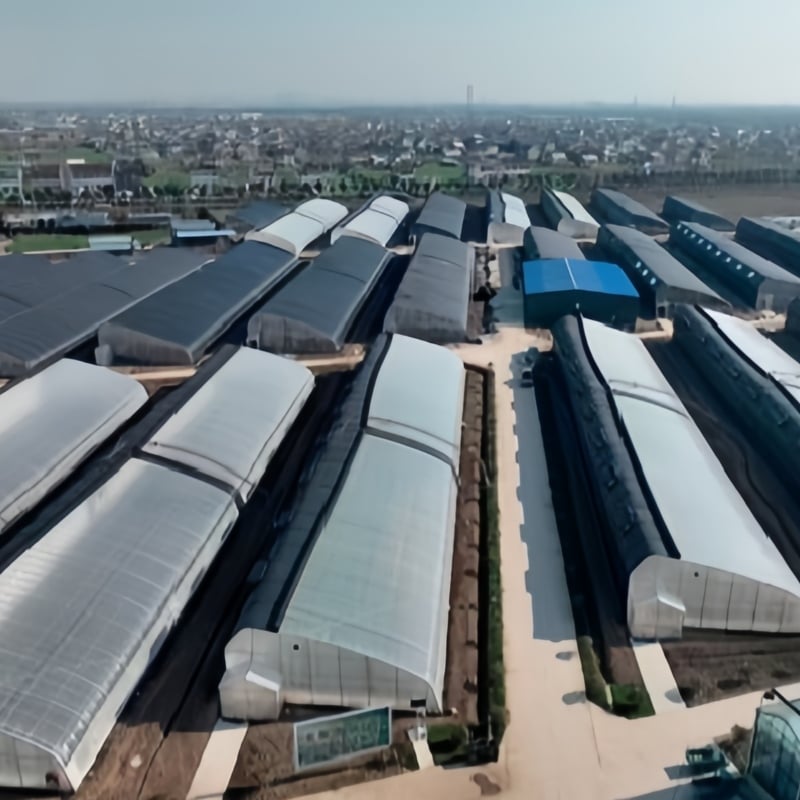
A glass greenhouse offers growers a reliable, high-performance environment that supports consistent crop production regardless of season. While many shelter options exist, a glass greenhouse stands apart because of its unique combination of light transmission, thermal properties, and long-term durability. Understanding why a glass greenhouse is the preferred choice for year-round growing helps growers make smarter infrastructure investments that pay off for decades.
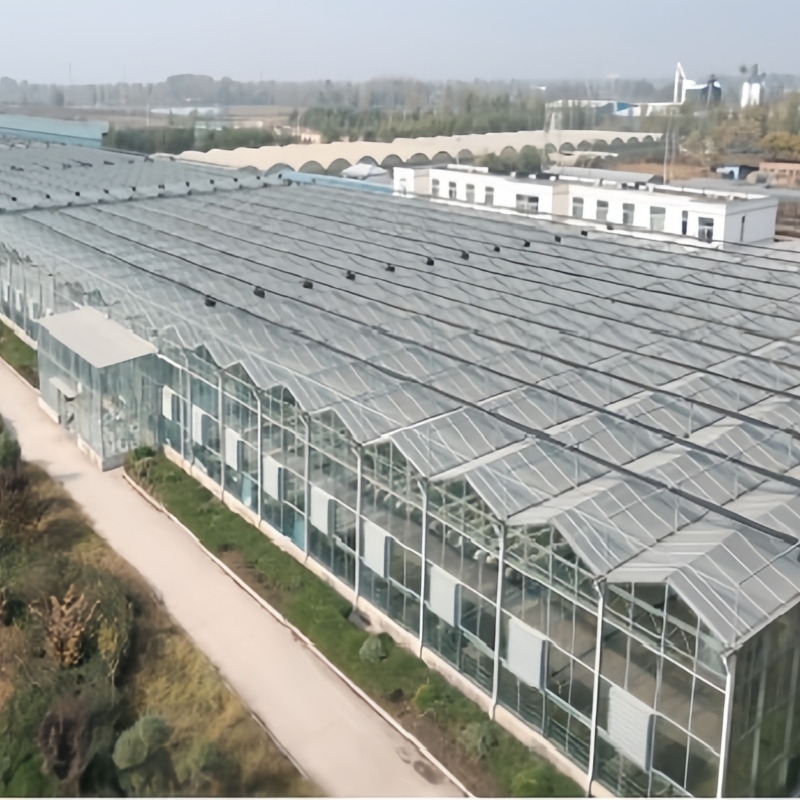
Year-round growing demands a structure that can handle heat retention in winter, manage temperature spikes in summer, and allow maximum light penetration throughout all seasons. A glass greenhouse is specifically engineered to meet each of these demands at a professional level. Whether you grow vegetables, flowers, or specialty crops, a glass greenhouse creates the stable indoor climate your plants need to thrive every month of the year.
Superior Light Transmission in a Glass Greenhouse
How Light Quality Drives Crop Performance
Light is the single most critical input for plant growth, and a glass greenhouse delivers higher light transmission than nearly any alternative glazing material. Horticultural glass typically transmits over 90% of natural sunlight, meaning crops inside a glass greenhouse receive nearly the same light intensity as those growing outdoors. This level of light exposure is essential during winter months when daylight hours are short and sun angles are low.
In a glass greenhouse, light enters from all angles and disperses evenly across the growing area. Unlike polycarbonate panels, which can diffuse or degrade UV transmission over time, glass maintains its optical clarity for the lifespan of the structure. Growers who operate a glass greenhouse consistently report more uniform crop development and faster growth cycles compared to structures with alternative coverings.
Year-Round Light Consistency
One of the defining advantages of a glass greenhouse is that its light transmission does not degrade seasonally or with age. Polycarbonate and film materials can yellow, scratch, or cloud after several years of sun exposure, reducing the amount of usable light entering the structure. A glass greenhouse avoids this problem entirely because glass is chemically stable and resistant to UV-induced discoloration. This means a glass greenhouse built today will perform as well optically in fifteen years as it does on the first day of operation.
Thermal Performance and Climate Control
Heat Retention Through Cold Seasons
Maintaining warmth during winter is one of the biggest challenges in year-round growing, and a glass greenhouse handles this exceptionally well. Glass has a natural ability to trap radiant heat inside the structure, creating a stable thermal environment even when outdoor temperatures drop sharply. Double-glazed panels in a glass greenhouse provide an additional insulation layer, significantly reducing heating costs while keeping crops at optimal growing temperatures.
A well-designed glass greenhouse retains daytime heat into the evening, reducing the need for supplemental heating during overnight periods. This thermal mass effect is a key reason why commercial growers prefer a glass greenhouse for crops that require consistent temperatures, such as tomatoes, cucumbers, and herbs. The ability to maintain temperature stability reduces plant stress and improves overall yield quality inside a glass greenhouse.
Summer Ventilation and Temperature Management
A glass greenhouse is not only effective in cold climates — it also supports smart temperature management in warm seasons. Modern glass greenhouse designs incorporate ridge vents, side louvers, and automated ventilation systems that allow excess heat to escape efficiently. Shading systems can be integrated into a glass greenhouse to prevent overheating without sacrificing structural integrity or light quality during critical morning growing hours.
Because a glass greenhouse is a rigid, sealed structure, it also provides better pest and disease exclusion than open or semi-open alternatives. This means growers can maintain a clean growing environment inside a glass greenhouse year-round, reducing crop loss from external biological threats. The combination of controlled climate and pest exclusion makes a glass greenhouse a complete solution for high-quality, uninterrupted production.
Durability and Long-Term Value of a Glass Greenhouse
Structural Strength and Material Longevity
A glass greenhouse is a long-term capital investment, and its durability justifies the upfront cost many times over. High-quality horticultural glass used in a glass greenhouse is tempered or toughened, making it resistant to impact, wind load, and snow pressure. The structural frame of a glass greenhouse is typically constructed from hot-dip galvanized steel or aluminum, both of which resist corrosion and maintain rigidity for decades.
When compared to polyfilm or polycarbonate structures, a glass greenhouse requires significantly less ongoing maintenance. Film coverings need replacement every three to five years, and polycarbonate panels degrade within a decade. A glass greenhouse, by contrast, can remain structurally sound and optically effective for thirty years or more with minimal intervention. This longevity makes a glass greenhouse the most cost-effective option over a full production lifecycle.
Return on Investment for Year-Round Operations
For commercial growers, the economics of a glass greenhouse become compelling when assessed over a ten-to-twenty-year horizon. The ability to grow year-round inside a glass greenhouse means revenue streams are not interrupted by seasonal shutdowns. A glass greenhouse also commands higher resale value as a property improvement compared to temporary or semi-permanent structures. When growers factor in reduced heating costs from double glazing and eliminated covering replacement expenses, the total cost of ownership for a glass greenhouse is consistently lower than alternatives over time.
FAQ
Is a glass greenhouse suitable for cold climates?
Yes, a glass greenhouse is well-suited for cold climates, especially when fitted with double-glazed panels. The insulating properties of a glass greenhouse allow growers to maintain warm internal temperatures even when outdoor conditions are harsh, making year-round growing fully achievable.
How does a glass greenhouse compare to polycarbonate for year-round growing?
A glass greenhouse offers higher light transmission, greater durability, and better long-term optical clarity than polycarbonate. While polycarbonate has a lower upfront cost, a glass greenhouse delivers better performance and lower lifetime maintenance costs, making it the stronger choice for year-round growing operations.
What crops grow best in a glass greenhouse year-round?
A glass greenhouse supports a wide range of crops year-round, including tomatoes, cucumbers, lettuce, peppers, herbs, and cut flowers. The stable light and temperature conditions inside a glass greenhouse create an ideal environment for crops that require consistent conditions and extended growing cycles.