 EN
EN



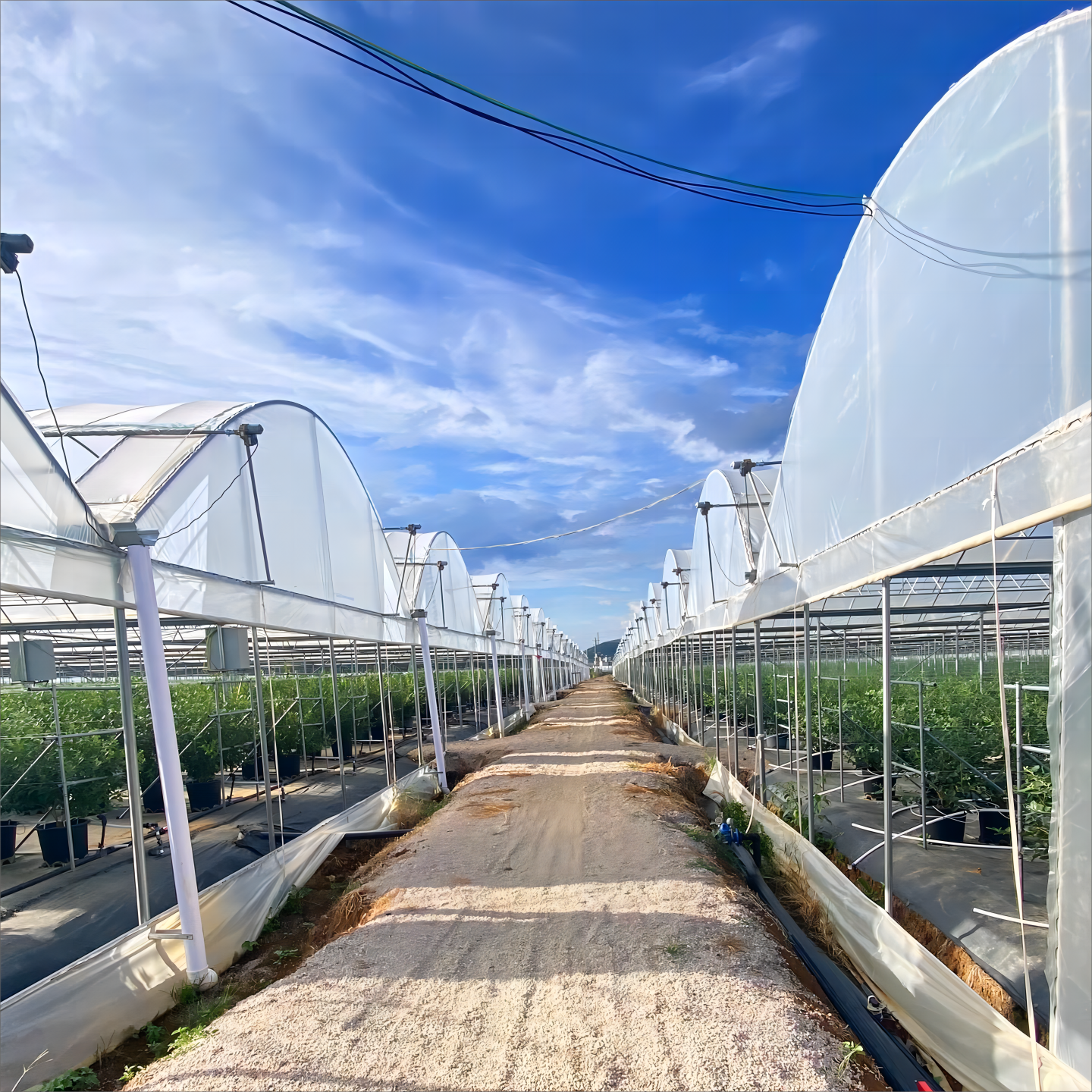
Growing strawberries year-round demands far more than simply placing plants under a roof. A well-designed strawberry greenhouse creates a precisely managed microenvironment where temperature, humidity, light, ventilation, and irrigation all work in harmony. Understanding how climate control functions inside these structures is essential for growers who want consistent fruit quality, reliable yields, and efficient resource use across every season.
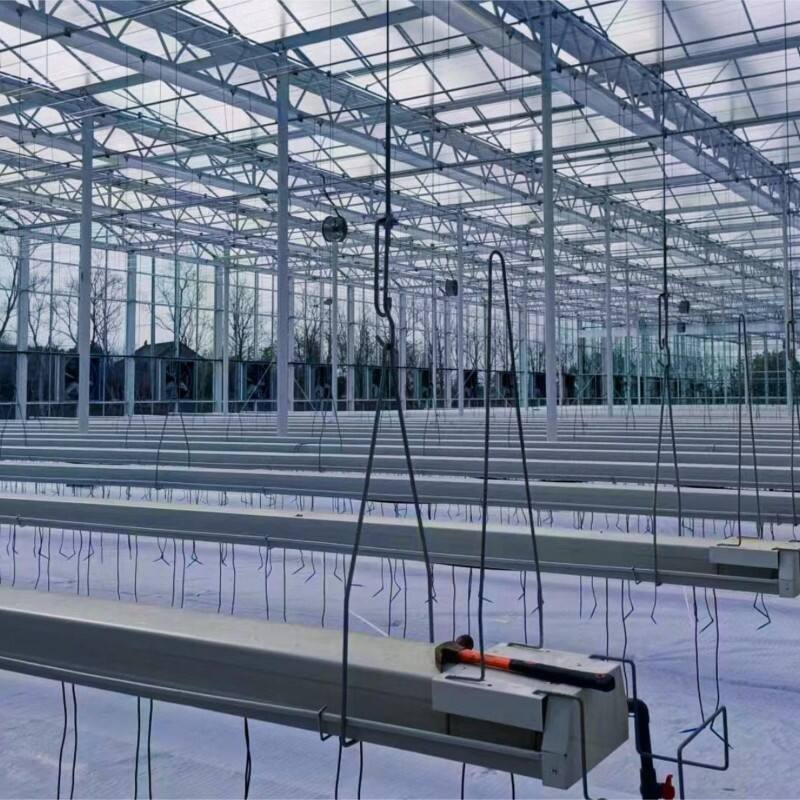
The mechanics behind climate control in a strawberry greenhouse are both systematic and adaptive. Modern facilities integrate multiple interacting systems — from structural glazing and shading screens to automated sensors and computerized controllers — all calibrated specifically to match the narrow biological requirements of the strawberry plant. This article explains how each layer of that system operates and why each component matters to the final outcome in your production cycle.
The Role of Temperature Management in a Strawberry Greenhouse
Why Temperature Precision Matters for Strawberry Development
Strawberries are highly sensitive to temperature fluctuations throughout their growth stages. During vegetative growth, the ideal daytime temperature in a strawberry greenhouse typically sits between 18°C and 25°C, while nighttime temperatures should be kept slightly cooler to encourage flower initiation. If temperatures climb too high or drop too sharply, growers risk delayed flowering, poor pollination, and undersized or misshapen fruit.
Temperature control is not a single-switch operation. It requires a layered response that balances heating systems, cooling mechanisms, and the greenhouse structure itself. In a properly designed strawberry greenhouse, these elements are orchestrated continuously by environmental control units that monitor real-time readings and trigger responses automatically. The precision this enables is what separates high-output commercial operations from inconsistent small-scale setups.
Bearing in mind that strawberry root zone temperature also affects nutrient uptake, some advanced strawberry greenhouse installations include substrate heating or heated gutter systems to maintain root warmth independently from air temperature. This decoupled approach gives growers finer control over the total growing environment without over-heating the plant canopy.
Heating Systems Used in Strawberry Greenhouses
Hot water pipe heating is among the most widely used methods in a commercial strawberry greenhouse. Boilers or heat pump systems circulate warm water through pipes positioned along the floor, under gutters, or near the crop canopy. The radiant heat released warms the air gradually and uniformly, avoiding the stress caused by sudden temperature spikes from forced-air heaters.
In regions with cold winters, supplemental heating is critical for maintaining the minimum threshold required for active growth. A robust heating installation in a strawberry greenhouse must account for the full surface area of the glass or polycarbonate cover, as heat loss through glazing can be substantial on freezing nights. Thermal screens, discussed later in this article, play a complementary role by reducing that overnight heat loss significantly.
Heat pump technology is gaining traction as an energy-efficient alternative in newer strawberry greenhouse projects. Unlike combustion-based boilers, heat pumps transfer ambient heat rather than generating it from fuel, reducing operational costs while maintaining the stable temperature curves that strawberries require for optimal development.
Ventilation and Humidity Control Mechanisms
Natural and Mechanical Ventilation Strategies
Ventilation in a strawberry greenhouse serves dual purposes: it regulates temperature during warm periods and manages the humidity levels that directly influence disease pressure. Botrytis cinerea, commonly known as grey mold, thrives in stagnant, humid air and can devastate a strawberry crop within days if ventilation is inadequate. Proper airflow is therefore not optional — it is foundational to crop protection.
Natural ventilation relies on ridge vents and side wall openings to create a stack effect where warm, moist air rises and exits through the roof while cooler, drier air enters from below. Roof vent aperture in a well-engineered strawberry greenhouse is typically designed to open at least 15 to 20 percent of the floor area to provide effective exchange during warm weather. Automated actuators connected to temperature and humidity sensors open and close these vents without manual intervention.
In larger or multi-span facilities, mechanical ventilation using axial fans may be installed to supplement natural airflow. These fans create a directed air path across the crop canopy, breaking up humidity pockets that tend to accumulate around dense foliage. In a high-density strawberry greenhouse where plants are grown in elevated gutters or tiered racks, targeted fan placement ensures that even the lower tiers receive sufficient air circulation.
Dehumidification and Moisture Management
Even with good ventilation, humidity management in a strawberry greenhouse sometimes requires active dehumidification — particularly during winter when closing vents to retain heat leads to moisture accumulation. Dedicated dehumidifiers extract water vapor from the air without cooling it, which makes them preferable to simply opening vents on cold nights.
Growers also manage humidity at the crop level by controlling irrigation delivery methods. Drip irrigation and substrate watering systems keep foliar surfaces dry, which reduces the risk of fungal spore germination on leaves and fruit. In a modern strawberry greenhouse, the irrigation schedule is often tied directly into the climate control software so that watering events correspond with periods when ventilation can follow to remove the added transpiration load.
The relationship between temperature and relative humidity is expressed as vapor pressure deficit (VPD), a metric increasingly used in advanced strawberry greenhouse management. By targeting a specific VPD range rather than managing temperature and humidity as separate variables, growers can optimize plant transpiration rates, which improves both water use efficiency and nutrient delivery to developing fruit.
Shading Systems and Light Environment Management
How Shading Screens Regulate Thermal and Light Load
Excess solar radiation in a strawberry greenhouse raises air temperatures rapidly and can cause photo-inhibition or sunscald on developing fruit. Shading systems — typically retractable screens made from aluminized polyester or woven fabrics — deploy automatically when light intensity exceeds pre-set thresholds. This prevents the interior temperature from spiking while still allowing sufficient photosynthetically active radiation to reach the crop.
Modern shading fabrics used in a strawberry greenhouse are engineered to reflect a portion of infrared radiation without blocking all visible light. This selective filtering means the plant canopy continues to photosynthesize efficiently even when the screen is deployed. The result is a cooler, more stable growing environment during summer peaks without sacrificing the light-driven growth that determines yield potential.
Thermal screens serve a complementary function at night. When closed, they create a secondary ceiling layer that traps residual heat beneath the screen, effectively reducing the volume of air that heating systems must maintain above the minimum temperature. This dual-use capability — sun protection by day and heat retention by night — makes adjustable screens one of the most energy-efficient investments in a strawberry greenhouse.
Supplemental Lighting Integration
In high-latitude regions or during winter months with short daylength, a strawberry greenhouse may require supplemental lighting to maintain adequate daily light integrals (DLI). LED grow lights are now the dominant technology for this purpose due to their lower heat output, longer operational life, and ability to deliver specific light spectra that promote flowering and fruit development.
The interaction between artificial lighting and temperature management is important to consider. High-intensity lighting adds a thermal load to the strawberry greenhouse environment, which the climate control system must account for by adjusting ventilation or cooling responses accordingly. Integrated climate controllers in modern facilities can read light intensity data alongside temperature and humidity and modulate all connected systems simultaneously to maintain the target growing conditions.
Photoperiod control is another dimension of light management in a strawberry greenhouse. Strawberry is a facultative short-day plant, meaning flower initiation is influenced by day length. By using blackout screens or supplemental long-day lighting strategically, growers can manipulate flowering timing to stagger production and achieve continuous harvest schedules throughout the year — a significant commercial advantage over open-field cultivation.
Irrigation Systems and Their Integration with Climate Control
Precision Water Delivery in Controlled Environments
Irrigation in a strawberry greenhouse is not simply about supplying water — it is a climate-influencing activity. Evaporation from wetted substrates and plant transpiration both add moisture to the internal air, which affects humidity balance and, in turn, disease risk and temperature levels. For this reason, irrigation scheduling in a well-managed strawberry greenhouse is integrated into the broader climate strategy rather than operated as a standalone input.
Drip irrigation is the standard delivery method in most commercial strawberry greenhouse systems. Emitters deliver water directly to the root zone with minimal surface wetness, keeping humidity contributions from irrigation as low as possible. Fertigation — the delivery of dissolved nutrients through the irrigation line — is managed in concert with climate data because plant nutrient uptake rates change with temperature and light levels, meaning irrigation frequency and concentration must adapt dynamically.
In substrate growing systems commonly used in modern strawberry greenhouse facilities, the growing medium itself provides a buffer against moisture and temperature fluctuations at the root level. Coco coir and perlite mixes, for example, retain enough moisture to support plant needs between irrigation cycles while draining freely enough to prevent waterlogging — a condition that would compound root stress in an already heat-managed environment.
Automation and Sensor Integration in Irrigation
Advanced strawberry greenhouse operations rely on sensor-driven irrigation automation to eliminate guesswork and reduce labor demands. Substrate moisture sensors measure water content in the growing medium in real time and trigger irrigation cycles only when moisture falls below the threshold required for optimal root activity. Combined with cumulative radiation sensors that estimate transpiration demand based on light exposure, this system delivers precisely the right amount of water at the right time.
Integration between the irrigation controller and the climate management computer is what elevates a strawberry greenhouse from a simple growing space to a precision production system. When the climate controller detects high vapor pressure deficit — indicating dry air and active plant transpiration — it can signal the irrigation system to increase supply frequency, preventing water stress before it affects fruit quality. Conversely, during low-light cloudy days when transpiration slows, irrigation frequency is automatically reduced to avoid substrate saturation.
This level of responsive integration means that growers operating a strawberry greenhouse with modern automation spend significantly less time troubleshooting crop stress conditions and more time on harvest management and marketing. The system handles the continuous micro-adjustments that would be impossible to perform manually at scale, making precision growing viable even for large multi-span facilities with thousands of plants.
FAQ
What is the ideal temperature range for growing strawberries in a greenhouse?
Most varieties perform best with daytime temperatures between 18°C and 25°C inside a strawberry greenhouse. Nighttime temperatures should be maintained between 10°C and 15°C to encourage flower initiation. Temperatures consistently above 28°C can reduce fruit set and cause quality issues, while temperatures below 8°C slow growth significantly and can damage open flowers.
How often should ventilation run in a strawberry greenhouse during summer?
In a well-automated strawberry greenhouse, ventilation systems respond continuously to temperature and humidity sensor readings rather than on a fixed schedule. During peak summer heat, roof vents may remain open for most of the daytime period. The goal is to maintain relative humidity below 85 percent and temperature within the target range, which may require several ventilation adjustments per hour depending on outdoor conditions.
Can climate control systems in a strawberry greenhouse be operated remotely?
Yes. Modern strawberry greenhouse climate control units typically offer remote monitoring and adjustment via smartphone apps or web-based dashboards. Growers can review real-time sensor data, receive alerts when parameters deviate from set points, and manually override automated settings from anywhere with an internet connection. This capability is particularly valuable for large operations where multiple greenhouse zones must be monitored simultaneously.
How does shading affect strawberry yield in a greenhouse?
Properly calibrated shading in a strawberry greenhouse protects yield rather than reducing it. When shading prevents temperature spikes above the optimal range, plants maintain better photosynthetic efficiency and produce more consistent fruit. Over-shading that reduces light below the minimum DLI threshold, however, can delay development and reduce sugar content in fruit. Retractable shading systems that adjust dynamically to light intensity provide the best balance between heat control and light availability.