 EN
EN



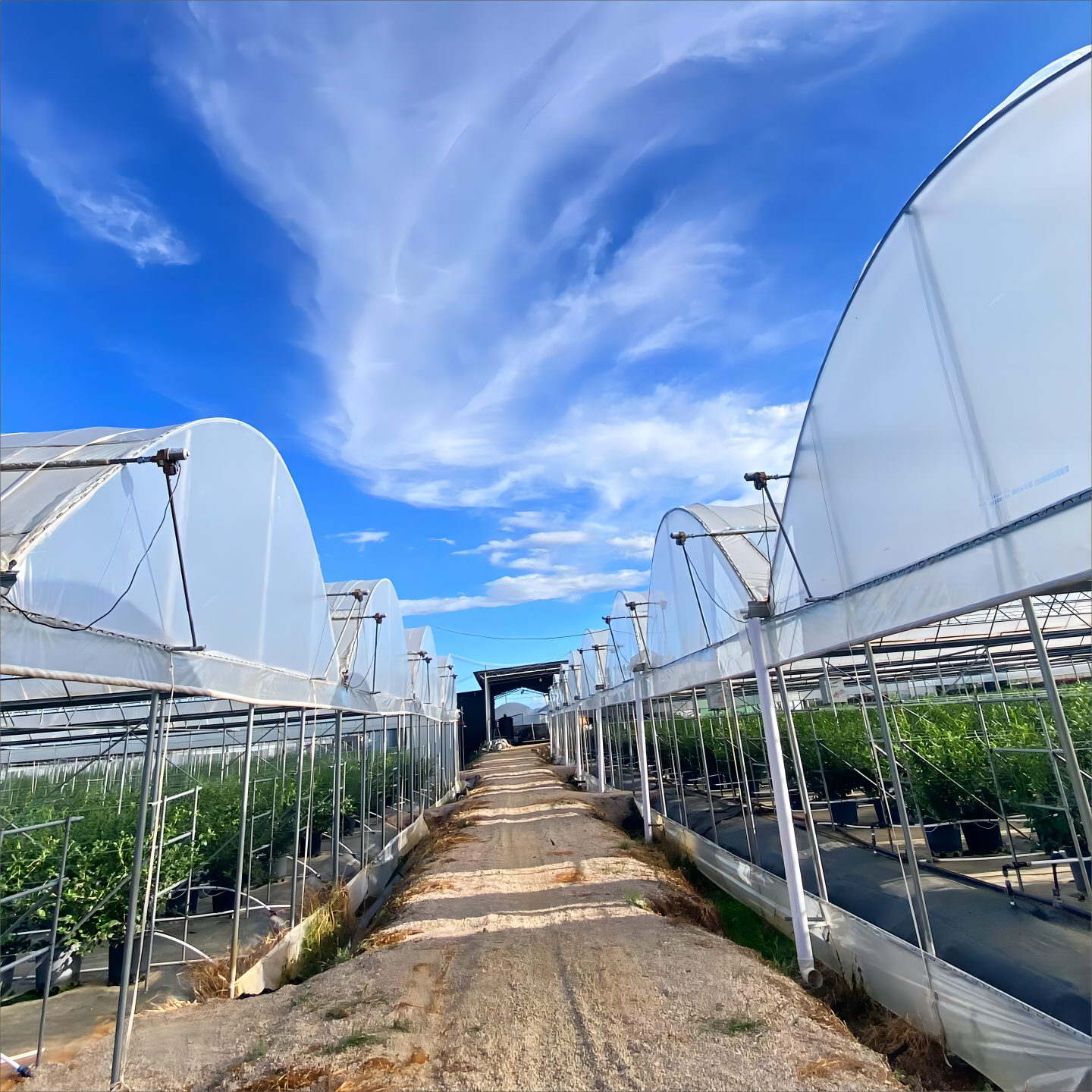
Modern agriculture faces unprecedented challenges that threaten the livelihood of farmers worldwide, from unpredictable weather patterns to soil degradation and pest infestations. A large greenhouse emerges as a comprehensive solution to these pressing agricultural problems, offering farmers unprecedented control over their growing environment while maximizing crop productivity and quality. By creating a protected cultivation space, farmers can overcome traditional farming limitations and achieve consistent yields regardless of external conditions.
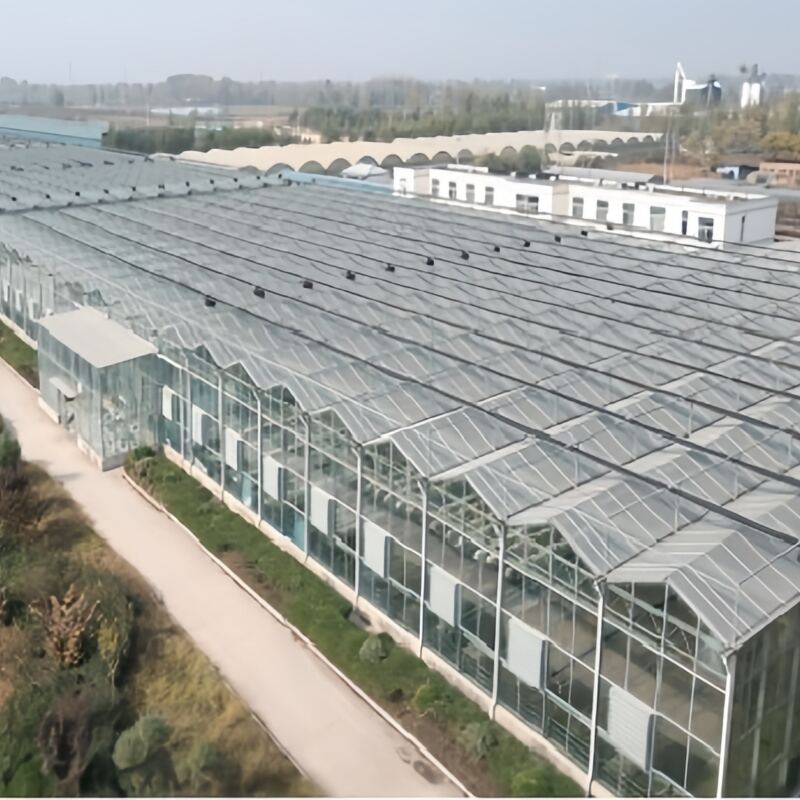
The agricultural sector increasingly recognizes that a large greenhouse addresses multiple critical issues simultaneously, making it an essential investment for serious farming operations. From climate control and pest management to water conservation and extended growing seasons, these structures solve fundamental problems that have plagued agriculture for centuries. Understanding how a large greenhouse tackles these challenges helps farmers make informed decisions about implementing controlled environment agriculture on their operations.
Weather-Related Problems Solved by Large Greenhouses
Protection from Extreme Weather Events
Farmers constantly battle unpredictable weather patterns that can devastate entire crops in a single event. A large greenhouse provides comprehensive protection against hail, heavy rain, strong winds, and temperature extremes that would otherwise destroy outdoor crops. The structural integrity of a well-designed large greenhouse ensures that valuable plants remain safe even during severe weather conditions, eliminating the anxiety and financial losses associated with weather-related crop damage.
The protective barrier created by a large greenhouse also shields crops from frost damage, which can occur unexpectedly during vulnerable growing periods. Traditional farmers often lose significant portions of their harvest to late spring frosts or early autumn freezes, but greenhouse cultivation eliminates this risk entirely. This protection allows farmers to plan their planting and harvesting schedules with confidence, knowing that weather fluctuations will not disrupt their operations.
Temperature Control and Stability
Temperature fluctuations present one of the most challenging aspects of outdoor farming, as most crops require specific temperature ranges for optimal growth. A large greenhouse solves this problem by providing precise climate control that maintains ideal growing conditions throughout the entire cultivation period. Farmers can set and maintain specific temperature ranges that promote healthy plant development, regardless of external weather conditions.
The thermal mass and insulation properties of a large greenhouse create a stable microclimate that prevents the dramatic temperature swings common in outdoor environments. This stability reduces plant stress and promotes consistent growth rates, resulting in higher quality produce and more predictable harvest schedules. Farmers no longer need to worry about temperature-sensitive crops failing due to unexpected cold snaps or heat waves.
Pest and Disease Management Solutions
Physical Barrier Against Pests
Pest infestations represent a constant threat to crop productivity and quality in traditional farming systems. A large greenhouse creates an effective physical barrier that prevents most flying and crawling pests from reaching crops, dramatically reducing the need for chemical pesticides. This protection allows farmers to maintain healthier crops while reducing input costs and environmental impact associated with pest control measures.
The enclosed environment of a large greenhouse enables farmers to implement integrated pest management strategies more effectively. When pests do enter the controlled environment, they can be detected and addressed quickly before populations reach damaging levels. This early intervention capability, combined with the reduced pest pressure from the physical barrier, results in healthier crops and higher yields.
Disease Prevention and Control
Plant diseases often spread rapidly in outdoor farming environments, particularly during periods of high humidity or when plants remain wet for extended periods. A large greenhouse solves this problem by providing better air circulation and moisture control, creating conditions that are less favorable for disease development. The controlled environment allows farmers to manage humidity levels and ensure proper ventilation, significantly reducing the incidence of fungal and bacterial diseases.
The isolation provided by a large greenhouse also prevents the introduction of soil-borne pathogens and airborne disease spores that commonly affect outdoor crops. This protection is particularly valuable for high-value crops that are susceptible to specific diseases, allowing farmers to maintain plant health throughout the growing cycle without relying heavily on fungicides or bactericides.
Water Management and Conservation Benefits
Efficient Water Usage
Water scarcity and increasing irrigation costs challenge farmers worldwide, making efficient water usage a critical concern for sustainable agriculture. A large greenhouse addresses this problem by creating a controlled environment where water loss through evaporation is minimized, allowing farmers to reduce their overall water consumption while maintaining optimal soil moisture levels. The enclosed structure captures and retains moisture that would otherwise be lost to the atmosphere in outdoor farming systems.
Advanced irrigation systems work more effectively within a large greenhouse environment, enabling precise water delivery directly to plant root zones without waste. Drip irrigation and other water-efficient technologies perform optimally in greenhouse conditions, where wind and evaporation do not interfere with water distribution patterns. This precision allows farmers to provide exactly the amount of water needed for healthy plant growth while minimizing runoff and waste.
Protection from Drought and Water Stress
Drought conditions can devastate crops and force farmers to make difficult decisions about which plants to irrigate when water supplies are limited. A large greenhouse solves this problem by maximizing the effectiveness of available water resources through reduced evaporation and improved retention. Even during severe drought conditions, farmers can maintain healthy crops using significantly less water than would be required for outdoor cultivation.
The controlled environment of a large greenhouse also allows farmers to implement water recycling systems that capture and reuse irrigation runoff and condensation. This closed-loop approach to water management ensures that every drop of available water contributes to plant growth, making greenhouse operations more resilient during periods of water scarcity and reducing dependence on external water sources.
Extended Growing Seasons and Year-Round Production
Overcoming Seasonal Limitations
Traditional farming operations are limited by seasonal weather patterns that restrict growing periods and force farmers to remain idle during unfavorable months. A large greenhouse eliminates these seasonal constraints by creating an artificial growing environment that supports plant cultivation throughout the entire year. This extended growing season allows farmers to increase their annual production capacity and generate revenue during periods when outdoor farming is impossible.
The ability to grow crops year-round also enables farmers to take advantage of market opportunities during off-season periods when demand is high and supply is limited. Fresh produce commands premium prices during winter months in many markets, making year-round greenhouse production particularly profitable for farmers who invest in large greenhouse facilities.
Multiple Crop Cycles and Succession Planting
The controlled environment of a large greenhouse enables farmers to implement multiple crop cycles and succession planting strategies that maximize production efficiency. Instead of being limited to one or two growing seasons per year, greenhouse farmers can harvest multiple crops from the same space, significantly increasing their return on investment. This intensified production model addresses the problem of land scarcity while generating higher revenues per square foot of growing space.
Succession planting becomes more predictable and manageable within a large greenhouse environment, as farmers can control germination timing and growth rates through environmental manipulation. This capability allows for continuous harvest schedules that provide steady income streams and better meet market demand for consistent produce supply throughout the year.
Soil and Growing Media Optimization
Independence from Poor Soil Conditions
Many farming locations suffer from poor soil quality, contamination, or drainage problems that limit crop productivity and quality. A large greenhouse solves this fundamental problem by enabling soilless cultivation methods or allowing farmers to create optimal growing media regardless of native soil conditions. Hydroponic and substrate-based growing systems within greenhouse environments provide plants with ideal root zone conditions that promote healthy development and maximum yields.
The controlled environment of a large greenhouse also prevents soil contamination from external sources such as pollutants, chemicals, or pathogens that might affect outdoor crops. This protection ensures that growing media remains clean and healthy throughout the cultivation cycle, supporting consistent plant performance and reducing the risk of crop failures due to soil-related issues.
Nutrient Management and Precision Feeding
Outdoor farming often struggles with nutrient leaching, uneven distribution, and unpredictable soil chemistry that affects plant nutrition. A large greenhouse addresses these problems by enabling precise nutrient management through controlled feeding systems that deliver exactly the right nutrients at optimal concentrations. This precision eliminates the guesswork associated with soil fertility management and ensures that plants receive balanced nutrition throughout their growth cycle.
The closed environment of a large greenhouse also prevents nutrient loss through leaching and runoff, making fertilizer applications more efficient and environmentally responsible. Farmers can monitor and adjust nutrient levels in real-time, responding quickly to plant needs and maintaining optimal growing conditions that promote healthy development and maximum productivity.
FAQ
How much space does a large greenhouse require for effective problem-solving?
A large greenhouse typically requires a minimum of 5,000 square feet to effectively address major farming problems and provide economic benefits. This size allows for meaningful production volumes, efficient climate control systems, and proper spacing for equipment and plant cultivation. Larger structures of 10,000 square feet or more provide even greater economies of scale and problem-solving capabilities, making them more cost-effective for serious commercial operations.
What ongoing maintenance is required to keep a large greenhouse functioning properly?
Large greenhouse maintenance includes regular inspection and cleaning of structural components, climate control system servicing, and pest monitoring protocols. Monthly checks of ventilation systems, heating equipment, and irrigation infrastructure ensure optimal performance. Annual structural inspections and covering material replacement every 4-6 years maintain the protective barrier that solves weather-related problems. Proper maintenance prevents system failures that could compromise the problem-solving benefits of greenhouse cultivation.
Can a large greenhouse solve problems for all types of crops?
A large greenhouse is most effective for solving problems related to vegetables, herbs, flowers, and other high-value crops that benefit from controlled environments. While it can accommodate many different plant types, some crops like large grain crops or tree fruits may not be economically viable in greenhouse production. The structure excels at solving problems for crops that are sensitive to weather, pests, or growing season limitations, making it ideal for specialty produce and cash crops that require precise environmental control.
How quickly can farmers expect to see results from large greenhouse problem-solving capabilities?
Farmers typically observe immediate benefits from weather protection and pest exclusion as soon as the large greenhouse structure is completed and operational. Climate control advantages become apparent within the first growing cycle, while water conservation and extended season benefits accumulate over the first full year of operation. Long-term problem-solving benefits, such as soil independence and consistent year-round production, develop over 12-24 months as farmers optimize their greenhouse management practices and fully utilize the controlled environment capabilities.
Table of Contents
- Weather-Related Problems Solved by Large Greenhouses
- Pest and Disease Management Solutions
- Water Management and Conservation Benefits
- Extended Growing Seasons and Year-Round Production
- Soil and Growing Media Optimization
-
FAQ
- How much space does a large greenhouse require for effective problem-solving?
- What ongoing maintenance is required to keep a large greenhouse functioning properly?
- Can a large greenhouse solve problems for all types of crops?
- How quickly can farmers expect to see results from large greenhouse problem-solving capabilities?