 EN
EN



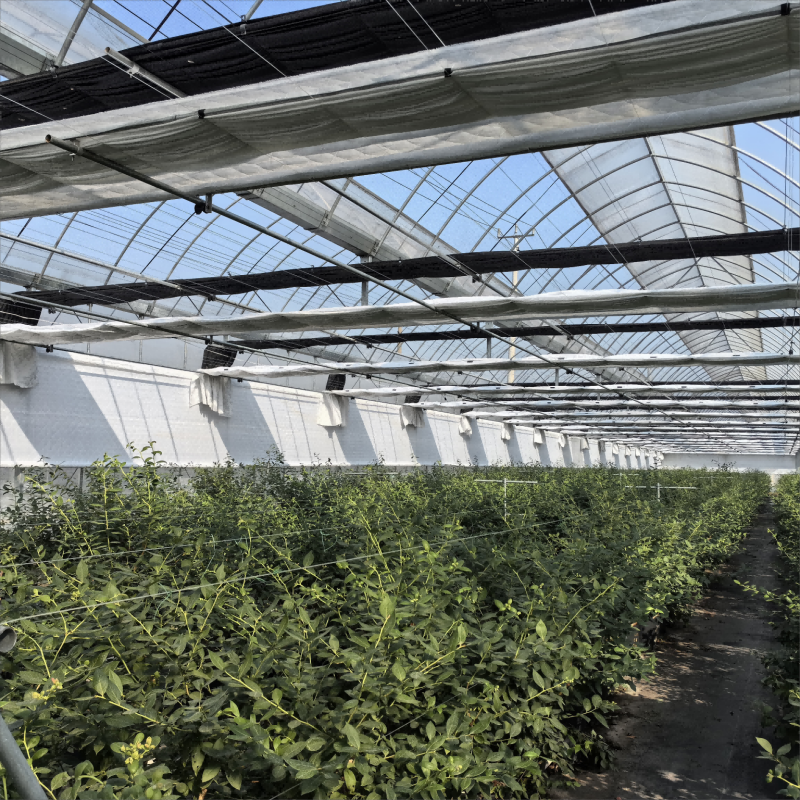
Choosing the right flower greenhouse material represents one of the most critical decisions facing commercial flower growers and serious hobbyists alike. The distinction between glass and plastic flower greenhouse structures extends far beyond simple cost considerations, encompassing factors that directly impact crop yields, operational efficiency, and long-term profitability. Understanding when to select glass versus plastic for your flower greenhouse requires careful analysis of your specific growing conditions, climate requirements, and business objectives.
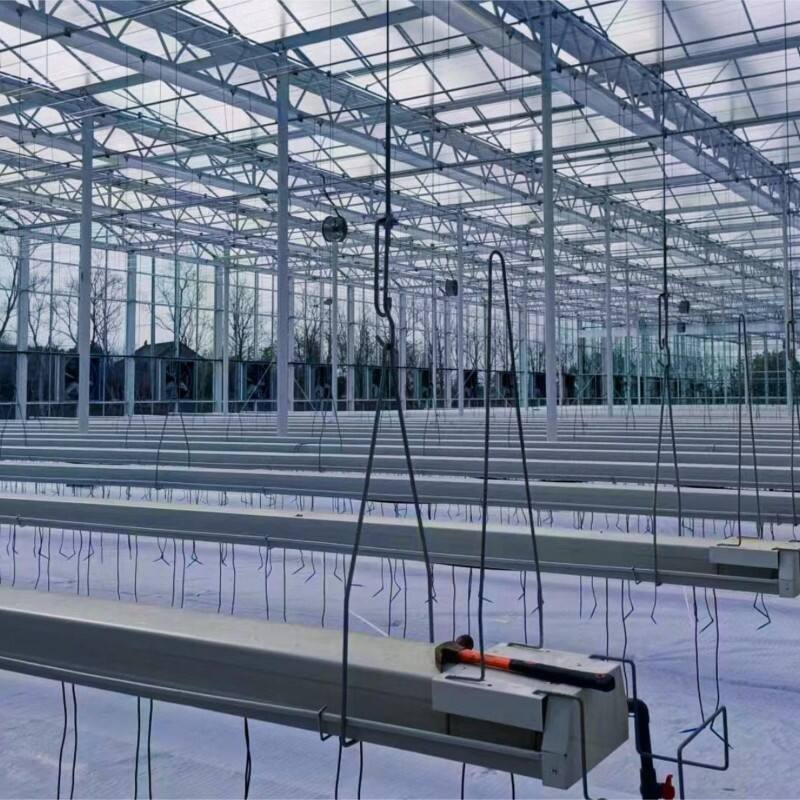
The timing of your flower greenhouse material selection depends on multiple interconnected variables including your target flower varieties, local climate patterns, budget constraints, and growth trajectory. Each material offers distinct advantages that become more or less relevant depending on your operational context and timing within the horticultural season. Professional flower growers must evaluate these factors systematically to ensure their flower greenhouse investment aligns with both immediate needs and future expansion plans.
Seasonal Timing Considerations for Greenhouse Material Selection
Spring Installation Planning
Spring represents the optimal window for flower greenhouse construction and material selection decisions. During this period, growers can assess winter damage to existing structures while planning for peak growing seasons. Glass flower greenhouse installations during spring benefit from stable weather conditions and allow adequate time for environmental stabilization before critical growing periods begin.
The thermal mass properties of glass become particularly advantageous during spring temperature fluctuations. A glass flower greenhouse maintains more stable internal temperatures during the unpredictable weather patterns common in early growing seasons. This stability proves crucial for delicate flower seedlings and temperature-sensitive varieties that require consistent environmental conditions.
Plastic flower greenhouse materials offer different spring advantages, particularly in regions experiencing late frost risks. The faster installation process of plastic structures allows growers to establish protection quickly when unexpected weather threatens early plantings. Additionally, the lower thermal mass of plastic enables more responsive temperature control during rapidly changing spring conditions.
Summer Optimization Strategies
Summer growing conditions significantly influence the choice between glass and plastic flower greenhouse materials. The superior light transmission qualities of glass become most apparent during peak photosynthetic periods when flower production demands maximum solar energy capture. Professional growers targeting high-value cut flowers often prefer glass structures during summer months to optimize photosynthetic efficiency.
Heat management considerations during summer operation favor different materials depending on climate zones. In moderate climates, glass flower greenhouse structures provide better temperature buffering through thermal mass effects. However, in extremely hot regions, the increased thermal load from glass may require more intensive cooling systems, making plastic alternatives more economically viable.
Ventilation requirements during summer operations influence material selection timing. Glass flower greenhouse designs typically incorporate more sophisticated ventilation systems that perform optimally during high-temperature periods. The structural integrity of glass allows for larger ventilation openings and more complex cooling systems essential for summer flower production.
Climate-Based Decision Timing
Regional Weather Pattern Analysis
Geographic location fundamentally determines the optimal timing for selecting glass versus plastic flower greenhouse materials. Northern climate zones with extended winter periods favor glass installations during late summer or early fall, allowing structures to weather-seal before harsh conditions arrive. The superior insulation properties of glass provide energy efficiency advantages during extended heating seasons.
Coastal regions with high humidity and salt exposure require different timing considerations for flower greenhouse material selection. Glass structures demonstrate superior resistance to corrosive coastal conditions but require installation during dry periods to ensure proper sealing. The timing of glass flower greenhouse construction in coastal areas should avoid hurricane seasons and periods of maximum salt spray exposure.
Arid climate zones present unique timing opportunities for plastic flower greenhouse installations. The rapid temperature fluctuations common in desert regions favor the thermal responsiveness of plastic materials during certain seasons. However, the UV degradation risks in high-radiation environments make timing of plastic installation critical for maximizing material lifespan.
Microclimate Considerations
Local microclimate factors significantly influence the timing of flower greenhouse material decisions. Properties with natural windbreaks may benefit from glass installations during typically windy seasons, as the structural protection allows glass to perform optimally. Conversely, exposed locations might favor plastic materials during high-wind periods due to their flexibility and lower catastrophic failure risk.
Drainage and moisture management considerations affect installation timing for both glass and plastic flower greenhouse structures. Areas prone to seasonal flooding require elevated timing for glass installations due to their permanent foundation requirements. Plastic flower greenhouse structures offer more flexible installation timing in moisture-variable locations due to their adaptable foundation systems.
Soil conditions throughout seasonal cycles impact the timing of flower greenhouse material selection. Clay soils with seasonal expansion characteristics favor plastic installations during stable soil periods. Sandy soils provide year-round installation opportunities for glass structures but require timing coordination with moisture levels for optimal foundation work.
Production Cycle Alignment
Crop Rotation Timing
Aligning flower greenhouse material selection with crop rotation schedules maximizes operational efficiency and return on investment. Glass flower greenhouse installations should coincide with the beginning of long-term production cycles for perennial flowers or extended-season annuals. The durability advantages of glass justify the investment when production schedules extend over multiple years.
Short-rotation flower crops often benefit from plastic greenhouse materials due to their lower initial investment and easier modification capabilities. Market gardeners focusing on seasonal flower production can time plastic installations to align with specific crop windows, reducing overhead costs during non-productive periods.
Specialty flower production requiring precise environmental control typically demands glass flower greenhouse installations timed well before production begins. The environmental stability provided by glass structures requires adequate time for system calibration and environmental conditioning before introducing sensitive flower varieties.
Market Demand Cycles
Commercial flower production timing directly influences greenhouse material selection decisions. Peak demand periods for cut flowers, such as Valentine's Day and Mother's Day, require established production environments well before harvest timing. Glass flower greenhouse installations should occur 6-12 months before critical production periods to ensure optimal environmental stability.
Seasonal flower markets with predictable demand patterns allow for strategic timing of plastic flower greenhouse installations. The flexibility of plastic structures enables growers to establish temporary or expandable production capacity aligned with market opportunities without long-term commitments to specific locations or production scales.
Export market timing considerations influence flower greenhouse material selection for commercial operations. International shipping schedules and quality requirements often favor glass installations that provide consistent environmental control throughout extended production periods. The superior structural integrity of glass supports automated systems essential for export-quality flower production.
Economic and Operational Timing Factors
Budget Allocation Strategies
Capital investment timing significantly influences flower greenhouse material selection decisions. Glass installations require larger upfront investments but offer superior long-term value propositions when timed appropriately with business expansion phases. The optimal timing for glass flower greenhouse investments aligns with established cash flow patterns and proven market demand.
Plastic flower greenhouse materials provide greater flexibility for phased investment approaches. Growers can time plastic installations to match seasonal cash flow patterns, expanding production capacity during profitable periods while minimizing financial risk during market uncertainties.
Financing availability throughout the year affects the timing of flower greenhouse material selection. Traditional agricultural lending cycles often favor spring installations, making this period optimal for glass investments requiring significant capital. Alternative financing options may enable more flexible timing for plastic installations aligned with immediate production opportunities.
Labor and Installation Considerations
Skilled installation labor availability influences the timing of flower greenhouse material selection. Glass installations require specialized expertise that may be more readily available during specific seasons or require advance scheduling. Planning glass flower greenhouse projects during contractor availability windows ensures proper installation and reduces project delays.
The extended installation timeline for glass flower greenhouse structures necessitates careful timing coordination with production schedules. Complex glass installations may require 3-6 months from planning to completion, making early timing decisions critical for meeting production deadlines.
Plastic flower greenhouse installations offer greater timing flexibility due to simpler assembly requirements and wider contractor availability. The ability to complete plastic installations within shorter timeframes enables growers to respond more quickly to market opportunities or replace damaged structures during critical growing periods.
FAQ
What time of year is best for installing a glass flower greenhouse?
The optimal timing for glass flower greenhouse installation is late summer through early fall, allowing 2-3 months for environmental stabilization before winter heating demands begin. This timing provides adequate foundation curing time and system commissioning before critical growing periods commence in spring.
How does climate affect the timing of choosing between glass and plastic greenhouse materials?
Climate considerations significantly impact material selection timing, with northern regions favoring glass installations before winter for energy efficiency, while southern areas may benefit from plastic installations timed to avoid extreme heat periods. Coastal regions require timing that avoids storm seasons for glass installations, while arid climates need UV protection considerations for plastic materials.
When should commercial flower growers make the switch from plastic to glass greenhouses?
Commercial growers should consider transitioning to glass flower greenhouse structures when production volumes exceed 10,000 square feet, market demands require consistent year-round quality, or when energy costs represent more than 15% of operational expenses. The timing should align with major crop cycle transitions and available capital investment periods.
Can you install greenhouse materials during winter months?
Winter installations are possible but present challenges for both materials. Glass flower greenhouse construction during winter requires heated work environments and extended curing times for foundations and sealing compounds. Plastic installations are more feasible during winter but may require temporary heating during assembly and should account for material flexibility changes in cold temperatures.
Table of Contents
- Seasonal Timing Considerations for Greenhouse Material Selection
- Climate-Based Decision Timing
- Production Cycle Alignment
- Economic and Operational Timing Factors
-
FAQ
- What time of year is best for installing a glass flower greenhouse?
- How does climate affect the timing of choosing between glass and plastic greenhouse materials?
- When should commercial flower growers make the switch from plastic to glass greenhouses?
- Can you install greenhouse materials during winter months?