 EN
EN



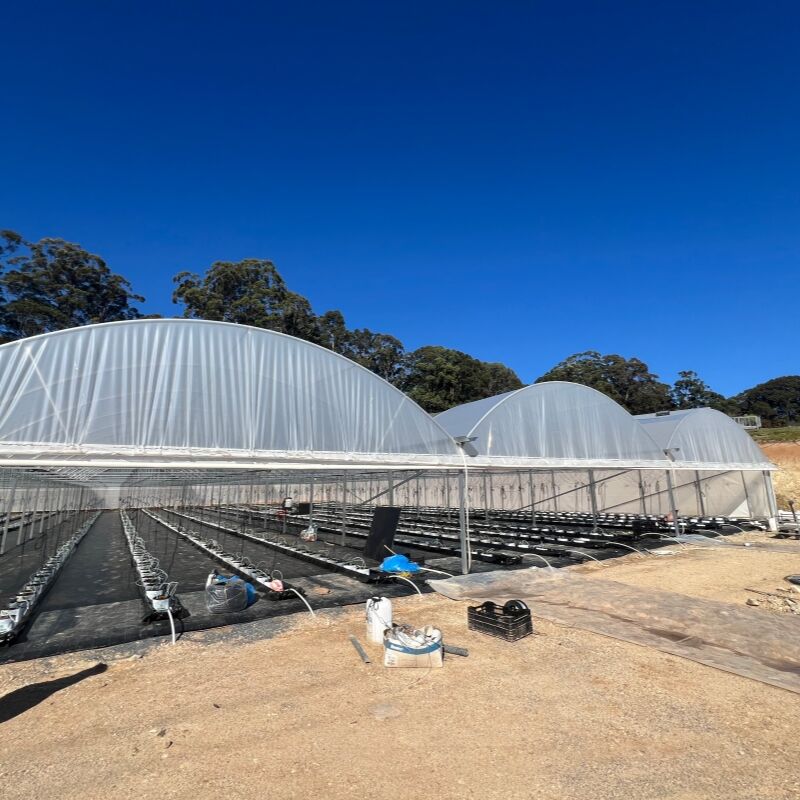
Selecting the right greenhouse structure for your specific climate requires careful consideration of several design factors that directly impact growing success. The choice between a tunnel greenhouse and a multi-span design fundamentally depends on your regional weather patterns, crop requirements, and operational goals. Understanding how each structure responds to temperature fluctuations, wind loads, precipitation, and seasonal variations will guide you toward the most effective solution for your agricultural operation.
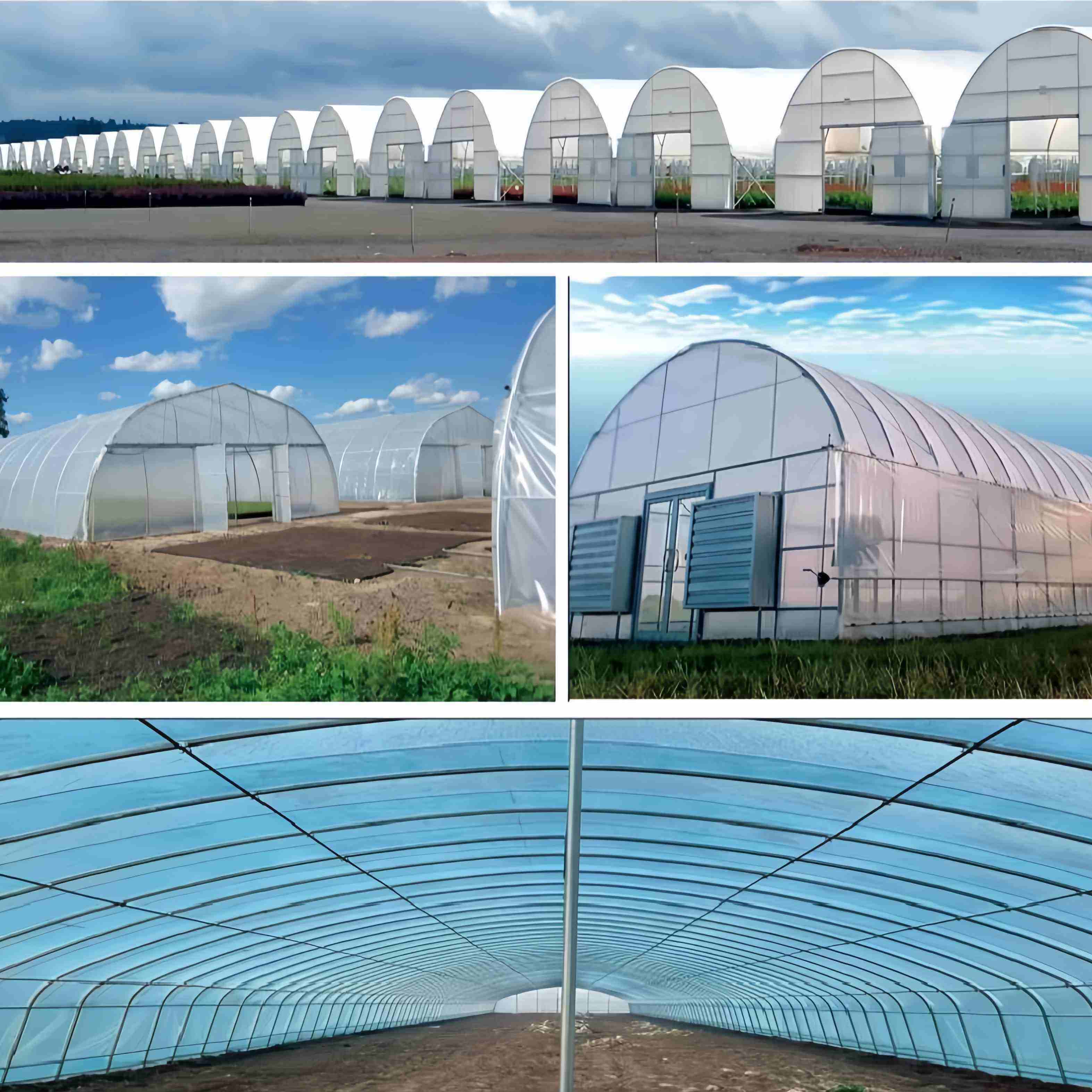
Climate-specific greenhouse selection involves analyzing how different structural configurations perform under your local environmental conditions. A tunnel greenhouse offers distinct advantages in certain climates, while multi-span designs excel in others. The decision process requires evaluating factors such as snow load capacity, wind resistance, ventilation efficiency, and thermal management capabilities. Making the wrong choice can result in structural failures, poor growing conditions, and significant financial losses, making this decision critical for long-term success.
Understanding Structural Differences Between Tunnel and Multi-Span Designs
Basic Design Characteristics of Tunnel Greenhouses
A tunnel greenhouse features a simple arched or curved roof structure that creates a continuous tunnel-like profile along its length. This design typically uses a single-span construction without internal support columns, maximizing usable growing space. The streamlined profile of a tunnel greenhouse provides excellent aerodynamic properties, allowing wind to flow smoothly over the structure rather than creating turbulent pressure zones.
The construction of a tunnel greenhouse relies on curved or bent frame members that distribute loads evenly across the arch. This structural approach creates inherent strength against wind loads and provides natural water runoff along the curved surfaces. Most tunnel greenhouse designs incorporate roll-up or louvre ventilation systems along the sidewalls, with ridge vents running along the peak for natural convection cooling.
Material efficiency represents another key characteristic of tunnel greenhouse construction. The curved design requires less structural steel per square foot of covered area compared to more complex multi-span configurations. This efficiency translates into lower material costs and simpler construction processes, making tunnel greenhouse options attractive for budget-conscious operations.
Multi-Span Design Configuration and Features
Multi-span greenhouses consist of multiple connected greenhouse sections, each typically featuring a traditional gable roof design. These structures connect adjacent spans through common walls or gutters, creating larger enclosed growing areas under a single integrated structure. The multi-span approach allows for significant expansion of growing space while maintaining structural integrity across the entire complex.
Internal support systems in multi-span designs include columns, trusses, and connecting gutters that distribute loads across multiple structural elements. This redundant support system provides enhanced load-bearing capacity for heavy snow loads and equipment installations. The gutter-connected design also facilitates efficient water collection and drainage management across the entire structure.
Ventilation options in multi-span greenhouses often include more sophisticated systems such as ridge and furrow configurations, exhaust fans, and computer-controlled climate management systems. The larger enclosed volume provides more thermal mass and stable growing conditions, while multiple spans allow for different climate zones within the same structure.
Climate Factor Analysis for Greenhouse Selection
Temperature Management Considerations
Temperature control requirements vary significantly based on your regional climate patterns and growing objectives. In moderate climates with mild temperature swings, a tunnel greenhouse provides adequate thermal management through natural ventilation and simple heating systems. The smaller air volume in tunnel structures allows for quicker temperature response and more precise climate control during critical growing periods.
Extreme temperature climates present different challenges that influence structural selection. Cold climates with severe winter conditions may favor multi-span designs due to their superior insulation potential and thermal mass characteristics. The larger air volume in multi-span structures provides more stable temperatures during extreme weather events, reducing the risk of crop damage from rapid temperature fluctuations.
Hot climate regions require excellent ventilation capacity to prevent overheating and maintain proper growing conditions. Tunnel greenhouse designs excel in hot climates due to their natural convection properties and the ability to incorporate extensive sidewall ventilation. The streamlined profile promotes air movement across crops, while the continuous ridge vent system facilitates efficient hot air removal.
Precipitation and Snow Load Requirements
Snow load capacity becomes a critical selection factor in regions experiencing heavy winter precipitation. Multi-span greenhouses typically provide superior snow load ratings due to their structural redundancy and reinforced framework. The internal support columns and truss systems in multi-span designs can handle heavier snow accumulations without compromising structural integrity.
Tunnel greenhouse performance under snow loads depends largely on the specific design and materials used. While the curved profile naturally sheds light snow, heavy accumulations can stress the arch structure beyond safe limits. However, modern tunnel greenhouse engineering has developed high-strength designs capable of handling substantial snow loads when properly specified for local conditions.
Rain management differs between the two design approaches, with implications for crop protection and structural longevity. Multi-span designs typically feature integrated gutter systems that efficiently collect and direct rainwater away from the structure. Tunnel greenhouse designs rely on simpler drainage approaches but may require additional considerations for water management in high-rainfall regions.
Wind Resistance and Structural Stability
Wind load resistance varies significantly between tunnel and multi-span configurations, affecting their suitability for different climatic conditions. The aerodynamic profile of a tunnel greenhouse naturally reduces wind resistance by allowing air to flow smoothly over the curved surface. This characteristic makes tunnel greenhouse structures particularly suitable for windy locations where traditional angular structures might experience higher stress loads.
Multi-span greenhouses present larger surface areas to wind forces but compensate through internal bracing and structural redundancy. The connected span design distributes wind loads across multiple structural elements, reducing stress concentrations that might occur in single-span structures. However, the angular profile of multi-span designs can create turbulence zones that increase local wind pressures on certain structural elements.
Foundation requirements also differ based on wind exposure and soil conditions in your climate zone. High-wind regions may require more substantial foundation systems regardless of the greenhouse type selected. However, the load distribution characteristics of each design type influence the specific foundation design and installation requirements.
Growing Environment Performance Comparison
Air Circulation and Ventilation Efficiency
Natural air circulation patterns differ significantly between tunnel greenhouse and multi-span configurations, directly impacting crop health and growing conditions. The continuous arch profile of a tunnel greenhouse creates a natural convection flow that moves air efficiently from sidewall vents to ridge outlets. This air movement pattern provides consistent airflow across crops and helps maintain uniform growing conditions throughout the structure.
Multi-span designs create more complex air circulation patterns due to their larger volume and multiple ridge lines. While this complexity can provide more stable air temperatures, it may also create dead air zones where circulation is insufficient. Proper ventilation design in multi-span structures often requires mechanical assistance to ensure adequate air movement in all growing areas.
Humidity control capabilities vary between the two designs, with implications for disease prevention and crop quality. Tunnel greenhouse structures typically provide better humidity management through their efficient air exchange rates and natural ventilation characteristics. The continuous air movement helps prevent moisture buildup that can lead to fungal diseases and other humidity-related crop problems.
Light Distribution and Solar Gain
Light transmission characteristics influence photosynthesis rates and overall crop productivity in both greenhouse types. Tunnel greenhouse designs often provide excellent light distribution due to their curved glazing surfaces that capture sunlight from multiple angles throughout the day. The continuous arch eliminates structural shadows that might occur with angular roof designs, maximizing light availability to crops.
Multi-span greenhouses may experience some light reduction due to the structural elements required for connecting multiple spans. However, the larger growing area can accommodate more sophisticated lighting systems if supplemental illumination becomes necessary. The gutter areas between spans can create shadow zones that require consideration in crop layout and variety selection.
Solar heat gain management becomes crucial in both designs, particularly in climates with intense sunlight. The glazing orientation and structural profile affect how much solar energy enters the growing space and how efficiently it can be managed. Tunnel greenhouse designs often provide better solar heat management through their natural ventilation characteristics and curved glazing orientation.
Economic and Operational Considerations
Initial Investment and Construction Costs
Cost analysis between tunnel greenhouse and multi-span options reveals significant differences in initial investment requirements. Tunnel greenhouse structures typically require lower upfront costs due to their simpler design, reduced material requirements, and streamlined construction processes. The single-span design eliminates the need for complex connecting systems and reduces the amount of structural steel required per square foot of growing space.
Multi-span greenhouse construction involves higher initial costs due to the additional structural complexity, internal support systems, and connecting elements required. However, the cost per square foot often decreases as the size of the multi-span complex increases, making these designs more economical for large-scale operations. The economies of scale in multi-span construction can offset the higher structural complexity costs in larger installations.
Foundation and site preparation costs also differ between the two approaches. Tunnel greenhouse foundations typically require less excavation and concrete work, while multi-span designs may need more extensive foundation systems to support the internal columns and distributed loads. Site preparation complexity can vary significantly based on local soil conditions and the specific structural requirements of each design type.
Long-term Maintenance and Operational Efficiency
Maintenance requirements over the operational life of the greenhouse significantly impact total cost of ownership. Tunnel greenhouse designs generally offer simpler maintenance due to fewer structural components and easier access to all areas of the structure. The streamlined design reduces the number of potential failure points and simplifies routine maintenance tasks such as glazing replacement and structural inspections.
Multi-span structures require more complex maintenance procedures due to their multiple structural systems and connecting elements. However, the redundant design provides operational resilience, allowing continued operation even if maintenance issues affect individual spans. The larger scale of multi-span operations often justifies more sophisticated maintenance programs and equipment.
Energy efficiency considerations affect long-term operational costs in both design types. Tunnel greenhouse structures often provide better energy efficiency for heating and cooling due to their smaller air volumes and efficient natural ventilation. Multi-span designs may require more energy for climate control but can accommodate more efficient heating and cooling systems that reduce per-unit energy costs.
FAQ
Which greenhouse type performs better in areas with heavy snow loads?
Multi-span greenhouses typically handle heavy snow loads better due to their internal support structure and structural redundancy. The columns and trusses distribute weight more effectively than single-span tunnel designs. However, properly engineered tunnel greenhouse structures can also handle significant snow loads when designed with appropriate load ratings for local conditions.
How do ventilation capabilities compare between tunnel and multi-span greenhouses?
Tunnel greenhouse designs generally provide superior natural ventilation through their streamlined profile and efficient air circulation patterns. The continuous arch promotes natural convection, while sidewall and ridge vents work together effectively. Multi-span designs may require mechanical ventilation assistance to achieve uniform air distribution across larger growing areas.
Which design offers better cost-effectiveness for smaller growing operations?
Tunnel greenhouse structures typically provide better cost-effectiveness for smaller operations due to lower initial costs, simpler construction, and reduced maintenance requirements. The economies of scale that favor multi-span designs generally apply to larger commercial operations. Small to medium growers often find tunnel greenhouse options more financially accessible while still meeting their production needs.
Can tunnel greenhouses be expanded as easily as multi-span designs?
Multi-span greenhouses offer easier expansion capabilities since additional spans can be connected to existing structures through common gutters and walls. Tunnel greenhouse expansion typically requires separate structures, though they can be positioned adjacent to existing tunnels. The expansion approach depends on your long-term growth plans and available land area for greenhouse development.