 EN
EN



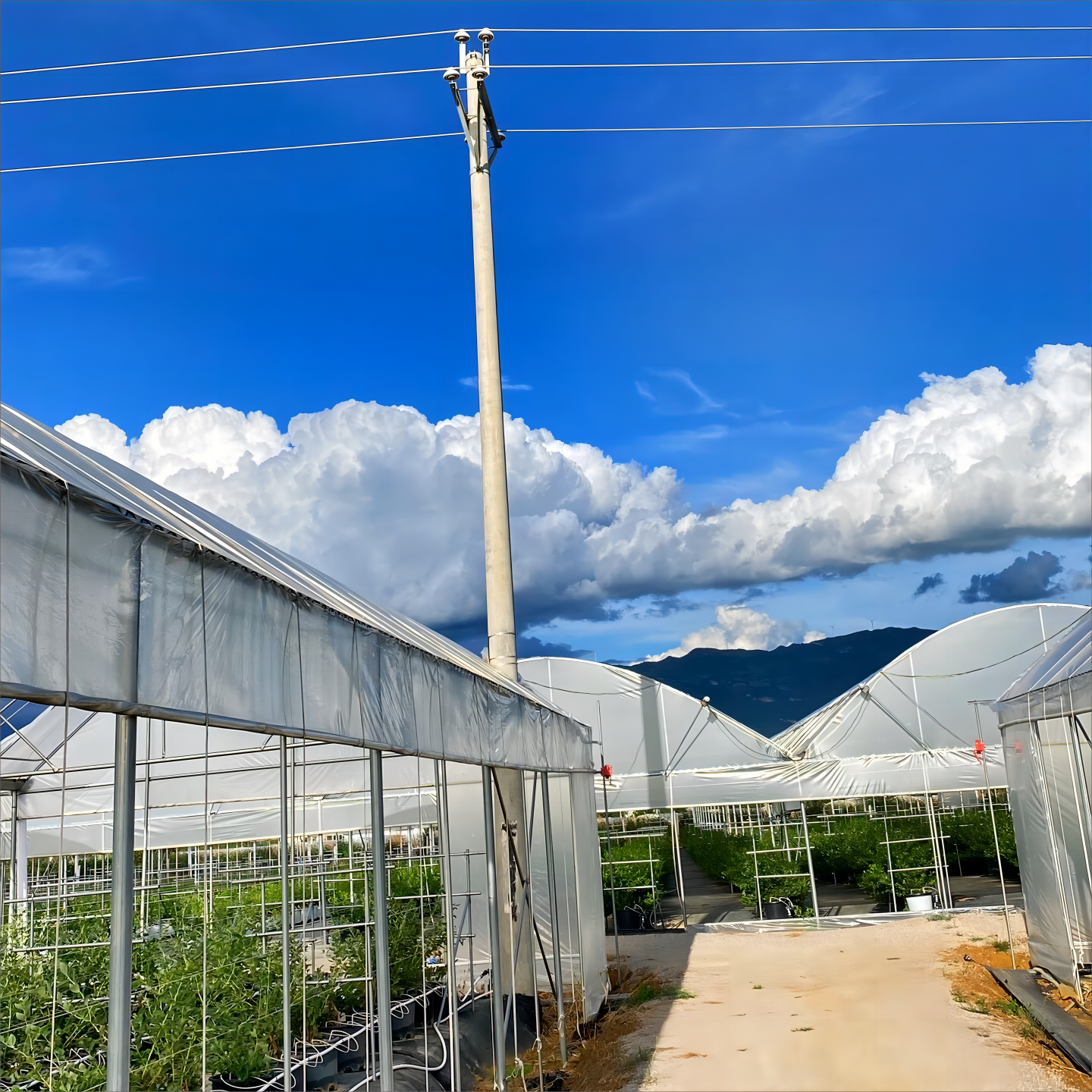
Selecting the right greenhouse design represents one of the most critical decisions for commercial growers, agricultural businesses, and serious horticultural operations. The choice between a gothic greenhouse and traditional greenhouse structures directly impacts crop yields, operational costs, energy efficiency, and long-term return on investment. Understanding the specific scenarios and conditions that favor gothic greenhouse adoption ensures optimal facility performance and business success.
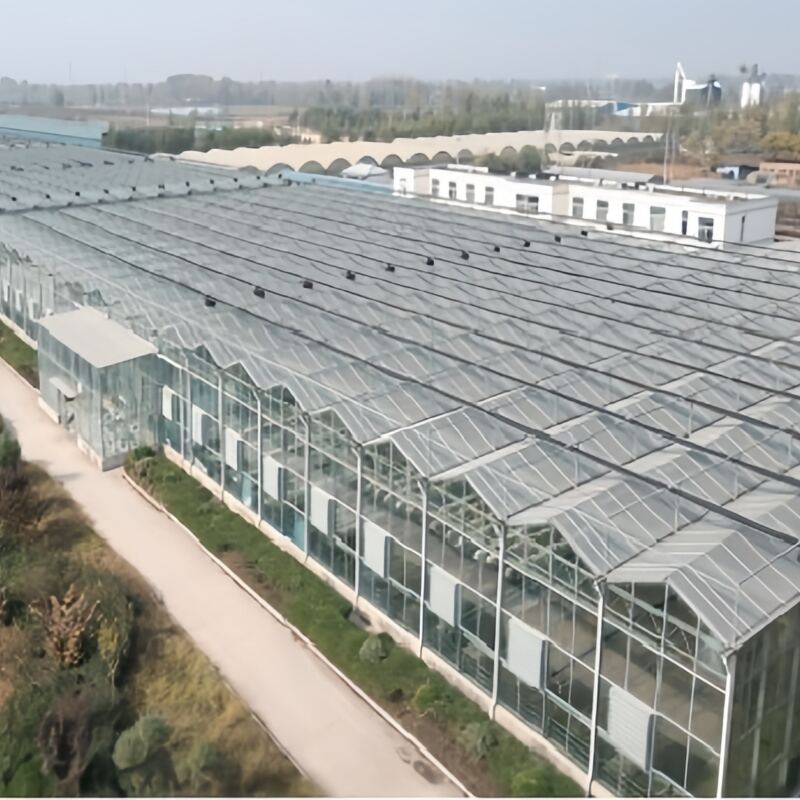
The gothic greenhouse design offers distinct architectural advantages that make it particularly suitable for specific growing environments, climate conditions, and operational requirements. This comprehensive analysis examines the key decision factors that determine when gothic greenhouse selection provides superior value compared to traditional flat-roof or curved-roof alternatives, enabling informed facility planning and investment decisions.
Climate and Environmental Conditions Favoring Gothic Design
Snow Load and Winter Weather Considerations
The gothic greenhouse design excels in regions experiencing significant winter weather challenges, particularly areas with heavy snowfall and ice accumulation. The steep-angled roof configuration naturally sheds snow and ice, preventing dangerous load buildup that could compromise structural integrity. Traditional greenhouse designs with flatter roof profiles often require manual snow removal or heated roof systems to prevent collapse, increasing operational costs and safety risks.
Geographic locations receiving more than 30 inches of annual snowfall strongly favor gothic greenhouse selection. The pointed arch design distributes snow load effectively across the structural framework, eliminating the need for expensive snow removal equipment or heated roof systems. This advantage becomes particularly pronounced in northern climates where snow loads can reach 40-60 pounds per square foot during severe weather events.
Wind resistance represents another crucial factor supporting gothic greenhouse selection in exposed locations. The aerodynamic profile reduces wind pressure and turbulence around the structure, minimizing stress on glazing systems and structural components. Coastal areas, prairie regions, and elevated sites with consistent wind exposure benefit significantly from the gothic greenhouse design's superior wind handling characteristics.
Regional Climate Pattern Analysis
Temperate climate zones with distinct seasonal variations create ideal conditions for gothic greenhouse deployment. The design's natural ventilation properties work effectively in regions where temperature swings require precise environmental control throughout the growing season. The steep roof angle facilitates hot air evacuation during summer months while maintaining structural snow resistance during winter periods.
Humid continental climates particularly benefit from the gothic greenhouse design's moisture management capabilities. The pointed roof configuration prevents condensation buildup and promotes air circulation patterns that reduce fungal disease pressure. Traditional greenhouse designs often struggle with humidity control in these climate zones, leading to increased crop losses and higher disease management costs.
Areas experiencing frequent storms and severe weather events find the gothic greenhouse design provides enhanced structural durability. The triangular load distribution system handles dynamic wind loads and pressure fluctuations more effectively than traditional curved or flat roof systems. This resilience reduces insurance costs and minimizes weather-related downtime for commercial growing operations.
Operational Scale and Production Requirements
Large-Scale Commercial Operations
Commercial growing operations exceeding 10,000 square feet often realize significant advantages from gothic greenhouse selection due to improved structural efficiency and reduced material costs per square foot. The design's ability to span large distances without intermediate support columns maximizes usable growing space and facilitates mechanized cultivation equipment operation. Traditional greenhouse designs require more frequent structural supports that interfere with equipment movement and reduce production efficiency.
High-volume production facilities requiring consistent environmental conditions benefit from the gothic greenhouse design's superior thermal performance. The steep roof angle creates natural convection currents that distribute heat evenly throughout the growing space, reducing hot spots and temperature variations that can impact crop quality. This thermal uniformity becomes increasingly important as production scale increases and environmental control precision affects overall profitability.
Automated growing systems integrate more effectively within gothic greenhouse structures due to the open interior design and predictable air movement patterns. Robotic planting, harvesting, and maintenance equipment operates more efficiently in the unobstructed space provided by the gothic greenhouse configuration. Traditional designs with multiple support posts and irregular air patterns create challenges for automation implementation and system optimization.
Specialized Crop Production Scenarios
Tall crop varieties including tomatoes, cucumbers, peppers, and vine fruits require the vertical growing space that gothic greenhouse designs provide more efficiently than traditional structures. The pointed roof configuration maximizes overhead clearance while maintaining structural integrity, allowing for taller trellising systems and extended growing seasons. Traditional greenhouse designs often limit vertical growing potential due to structural constraints and reduced headroom.
Cannabis cultivation operations benefit significantly from the gothic greenhouse design's superior air circulation and humidity control characteristics. The natural ventilation patterns prevent stagnant air pockets that promote mold and mildew development, critical factors in maintaining crop quality and regulatory compliance. Traditional greenhouse designs often require extensive mechanical ventilation systems to achieve comparable air movement and humidity management.
Organic production systems particularly favor gothic greenhouse selection due to reduced reliance on mechanical climate control systems. The design's natural environmental regulation capabilities align with organic certification requirements and sustainable growing practices. Traditional greenhouse designs typically require more intensive mechanical intervention to maintain optimal growing conditions, potentially conflicting with organic production standards.
Economic and Investment Considerations
Initial Capital Investment Analysis
The decision to choose a gothic greenhouse over traditional designs requires careful analysis of upfront capital requirements and long-term operational savings. While gothic greenhouse construction costs may initially exceed basic hoop house or simple frame designs, the improved structural efficiency often results in lower material costs per square foot for larger installations. The reduced need for internal support structures and simplified foundation requirements can offset higher design complexity costs.
Energy efficiency advantages of gothic greenhouse designs create substantial long-term cost savings that justify higher initial investments in many scenarios. The natural heating and cooling properties reduce auxiliary environmental control costs by 15-30% compared to traditional greenhouse designs. Operations in extreme climate zones realize even greater energy savings due to the gothic greenhouse's superior thermal management capabilities.
Insurance and risk management considerations strongly favor gothic greenhouse selection for commercial operations. The enhanced structural durability and weather resistance typically result in lower insurance premiums and reduced catastrophic loss potential. Traditional greenhouse designs often carry higher insurance costs and greater vulnerability to weather damage, affecting long-term financial projections and business viability.
Return on Investment Factors
Gothic greenhouse designs typically demonstrate superior return on investment for operations planning multi-year production cycles due to enhanced durability and reduced maintenance requirements. The structural design minimizes wear points and stress concentrations that commonly affect traditional greenhouse systems, extending operational lifespan and reducing replacement costs. Commercial growers report 20-40% longer service life from gothic greenhouse installations compared to conventional designs.
Production efficiency gains from improved environmental control and space utilization enhance revenue generation potential for gothic greenhouse operations. The design's ability to maintain consistent growing conditions throughout larger spaces enables higher plant density and improved crop quality, directly impacting profitability. Traditional greenhouse limitations in environmental control and space efficiency often constrain production optimization and revenue growth.
Resale value considerations favor gothic greenhouse investment due to the design's versatility and structural appeal. The architectural aesthetics and functional advantages make gothic greenhouse facilities more attractive to potential buyers compared to basic traditional structures. This enhanced resale value provides additional financial security for business expansion or exit strategies.
Technical Performance and Functionality Requirements
Environmental Control Precision
Advanced growing operations requiring precise environmental control benefit significantly from the gothic greenhouse design's predictable air movement and thermal characteristics. Research facilities, seed production operations, and high-value crop cultivation demand consistent conditions that the gothic greenhouse delivers more reliably than traditional designs. The natural convection patterns eliminate micro-climate variations that can affect experimental results or premium crop quality.
Hydroponic and controlled environment agriculture systems integrate more effectively within gothic greenhouse structures due to the stable thermal environment and predictable humidity patterns. The design's natural moisture management reduces condensation problems that commonly affect traditional greenhouse installations, protecting sensitive growing equipment and maintaining optimal root zone conditions. Traditional designs often require additional dehumidification equipment to achieve comparable environmental stability.
Year-round production schedules benefit from the gothic greenhouse design's consistent performance across seasonal transitions. The structure maintains stable growing conditions during spring and fall periods when traditional greenhouse designs often struggle with temperature control and condensation management. This seasonal reliability enables extended growing seasons and improved crop scheduling flexibility.
Integration with Modern Technology
Smart farming technology integration proceeds more smoothly within gothic greenhouse environments due to the open interior design and predictable environmental patterns. Sensor networks, automated irrigation systems, and climate control equipment operate more accurately in the stable conditions provided by gothic greenhouse designs. Traditional structures with irregular air patterns and structural obstructions can interfere with sensor accuracy and automation reliability.
Energy management systems optimize more effectively within gothic greenhouse installations due to the predictable thermal characteristics and natural ventilation patterns. Solar panel integration, waste heat recovery, and renewable energy systems work more efficiently when combined with the gothic greenhouse design's inherent energy management properties. Traditional greenhouse designs often require more complex energy systems to achieve comparable efficiency levels.
Remote monitoring and control systems provide better coverage and accuracy in gothic greenhouse installations due to the unobstructed interior space and consistent environmental conditions. Communication equipment, cameras, and monitoring devices operate with fewer dead zones and interference issues compared to traditional greenhouse designs with multiple structural obstacles and irregular environmental patterns.
FAQ
What climate conditions make gothic greenhouse selection most advantageous over traditional designs?
Gothic greenhouse designs provide the greatest advantages in climates with significant snow loads, high winds, and large temperature variations. Regions receiving over 30 inches of annual snowfall, areas with sustained winds above 25 mph, and locations experiencing temperature swings exceeding 40 degrees benefit most from the gothic greenhouse's structural and thermal performance characteristics.
How does facility size affect the decision between gothic greenhouse and traditional greenhouse designs?
Large commercial operations exceeding 10,000 square feet typically realize greater benefits from gothic greenhouse selection due to improved structural efficiency and reduced support requirements. Smaller installations under 5,000 square feet may find traditional designs more cost-effective, while medium-sized operations should evaluate specific climate and production requirements to determine optimal design selection.
What production types benefit most from choosing gothic greenhouse over traditional alternatives?
Tall crop production including tomatoes, cucumbers, and cannabis particularly benefits from gothic greenhouse vertical space and air circulation advantages. High-value crops requiring precise environmental control, organic production systems, and operations using advanced automation technology also favor gothic greenhouse selection due to superior environmental stability and integration capabilities.
How do long-term operational costs compare between gothic greenhouse and traditional greenhouse designs?
Gothic greenhouse installations typically demonstrate 15-30% lower energy costs due to superior thermal management and natural ventilation properties. Maintenance costs decrease by 20-40% over traditional designs due to enhanced structural durability and reduced weather damage susceptibility. These operational savings often justify higher initial investment costs within 3-5 years for commercial operations.
Table of Contents
- Climate and Environmental Conditions Favoring Gothic Design
- Operational Scale and Production Requirements
- Economic and Investment Considerations
- Technical Performance and Functionality Requirements
-
FAQ
- What climate conditions make gothic greenhouse selection most advantageous over traditional designs?
- How does facility size affect the decision between gothic greenhouse and traditional greenhouse designs?
- What production types benefit most from choosing gothic greenhouse over traditional alternatives?
- How do long-term operational costs compare between gothic greenhouse and traditional greenhouse designs?