 EN
EN



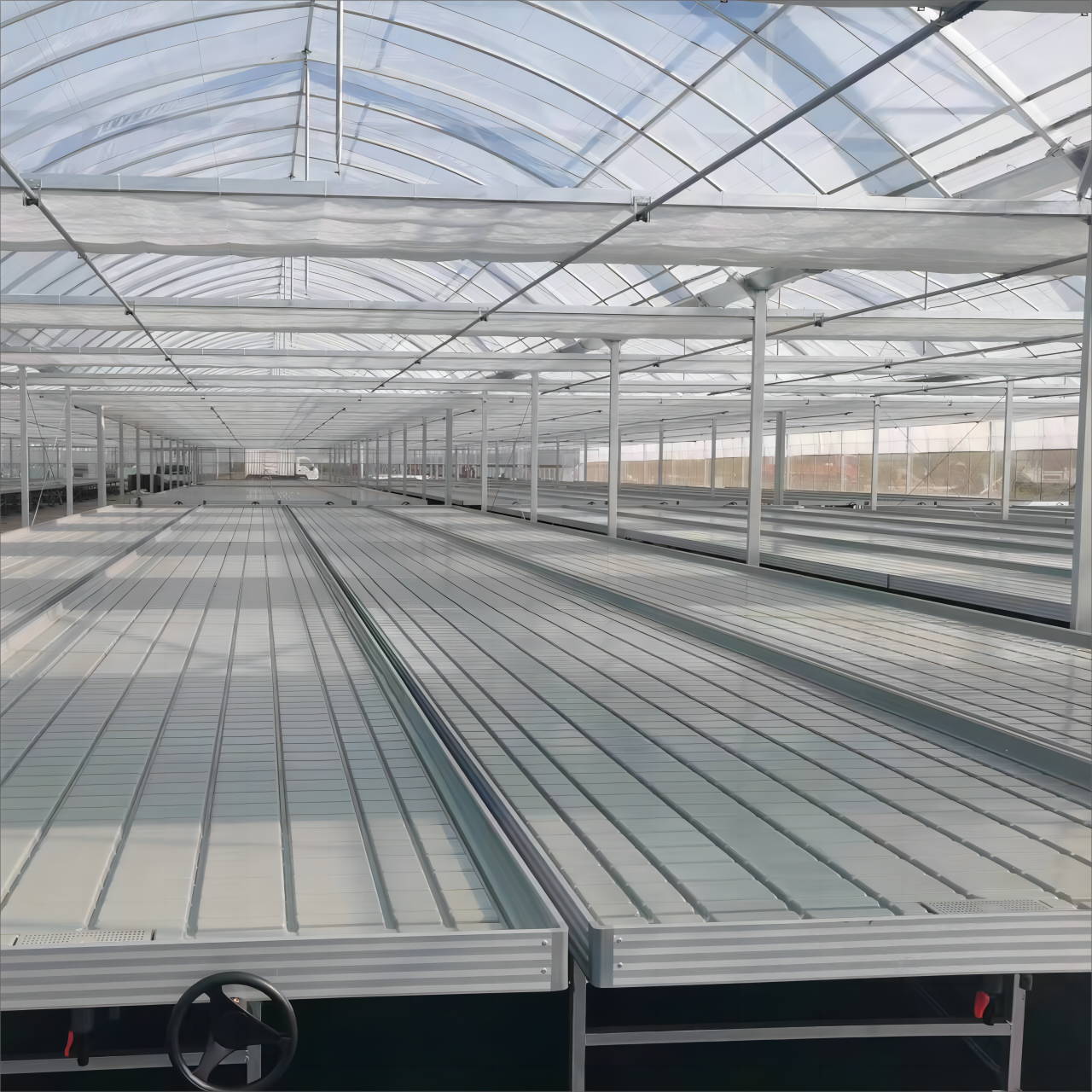
Plants demonstrate remarkable growth improvements when cultivated within a greenhouse environment due to the controlled conditions that closely mimic their optimal natural growing requirements. The greenhouse structure creates a microclimate that allows for precise management of temperature, humidity, light exposure, and air circulation, resulting in healthier plants with increased yields and extended growing seasons.
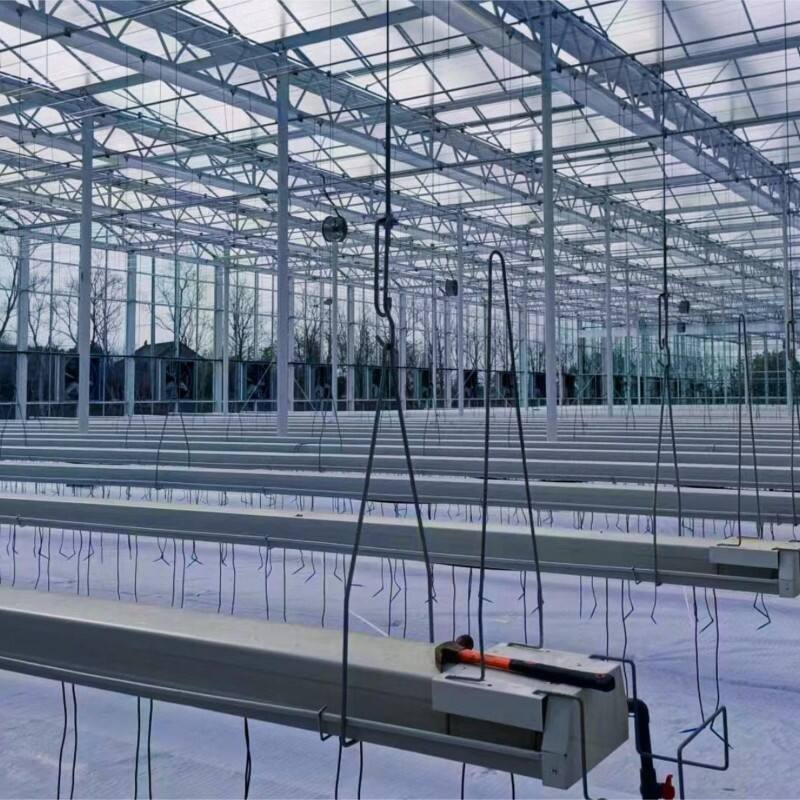
The superior plant performance in greenhouse environments stems from the ability to eliminate many variables that negatively impact outdoor cultivation. Weather fluctuations, pest invasions, soil contamination, and seasonal limitations all become manageable factors rather than uncontrollable obstacles. This controlled environment approach enables growers to maximize photosynthesis efficiency, optimize nutrient uptake, and maintain consistent growing conditions throughout the entire cultivation cycle.
Temperature Control Creates Optimal Growing Conditions
Consistent Temperature Regulation
Temperature consistency represents one of the most critical advantages of greenhouse cultivation. Plants grown in a greenhouse benefit from stable temperature ranges that remain within their optimal growing zones, typically between 65-75°F for most vegetable crops. This controlled environment prevents the stress associated with temperature fluctuations that outdoor plants experience daily, allowing for continuous metabolic processes and uninterrupted growth patterns.
The greenhouse structure traps solar energy during the day while maintaining warmth during cooler periods through thermal mass and supplemental heating systems. This temperature stability enables plants to dedicate more energy to growth and development rather than survival adaptation. Root systems develop more efficiently in consistently warm soil, leading to improved nutrient absorption and stronger plant establishment.
Extended Growing Seasons
Greenhouse environments effectively extend growing seasons by protecting plants from seasonal temperature extremes and frost damage. This extension allows for multiple harvest cycles per year and enables cultivation of warm-season crops during traditionally unsuitable months. The controlled temperature environment means that heat-loving plants like tomatoes, peppers, and cucumbers can continue producing well into winter months when outdoor cultivation would be impossible.
Year-round production capabilities significantly increase overall crop yields and provide consistent harvests regardless of external weather conditions. This temperature control advantage makes greenhouse cultivation particularly valuable in regions with short growing seasons or extreme climate variations that limit outdoor agricultural productivity.
Humidity and Moisture Management Enhances Plant Health
Optimal Humidity Levels
Humidity control within a greenhouse environment allows for precise moisture management that promotes healthy plant development. Most plants thrive in humidity levels between 50-70%, which can be consistently maintained through ventilation systems, misting equipment, and moisture monitoring technology. This controlled humidity prevents both the stress of excessive dryness and the problems associated with overly humid conditions.
Proper humidity levels enhance photosynthesis efficiency by maintaining optimal leaf moisture content and preventing stomatal closure during dry conditions. Plants in greenhouse environments experience improved gas exchange, better nutrient transport, and reduced water stress compared to outdoor cultivation where humidity fluctuates dramatically with weather patterns and seasonal changes.
Water Conservation and Efficiency
The enclosed greenhouse environment significantly reduces water loss through evaporation and wind exposure, making irrigation more efficient and cost-effective. Drip irrigation systems and controlled watering schedules can be precisely calibrated to meet plant needs without waste. This water efficiency not only reduces operational costs but also ensures that plants receive consistent moisture levels for optimal growth.
Greenhouse cultivation allows for better root zone moisture management through container systems or controlled soil conditions. Plants develop healthier root systems when moisture levels remain consistent, leading to improved nutrient uptake and stronger overall plant structure. The protected environment prevents both drought stress and waterlogging conditions that commonly affect outdoor crops.
Light Optimization Maximizes Photosynthesis
Light Transmission and Quality
Modern greenhouse designs maximize natural light transmission while filtering harmful ultraviolet radiation that can damage plant tissues. Glass or polycarbonate coverings allow optimal light penetration while diffusing direct sunlight to prevent leaf burn and heat stress. This controlled light environment ensures that plants receive consistent illumination throughout the day without the intensity variations that occur in outdoor settings.
The greenhouse structure enables better light distribution to all plant levels, particularly important for dense canopy crops. Reflective materials and strategic positioning help direct light to lower leaves that might otherwise be shaded, improving overall photosynthetic efficiency. This enhanced light management results in more uniform plant development and higher overall productivity compared to outdoor cultivation.
Supplemental Lighting Systems
Greenhouse environments allow for the integration of artificial lighting systems that supplement natural light during low-light periods or extend photoperiods for light-hungry crops. LED grow lights can be programmed to provide specific light spectrums optimized for different growth stages, from seedling development to flowering and fruiting phases. This supplemental lighting capability ensures consistent photosynthesis rates regardless of external weather conditions or seasonal light variations.
The ability to control both natural and artificial light sources gives greenhouse growers unprecedented control over plant development timing and quality. Light manipulation techniques can accelerate growth, improve flowering, enhance fruit development, and even influence plant morphology to achieve desired characteristics. This level of light control is impossible to achieve in outdoor cultivation settings.
Protection from Environmental Stresses and Pests
Physical Barrier Protection
The greenhouse structure provides a physical barrier that protects plants from numerous environmental stresses that can severely impact outdoor crops. Wind damage, hail storms, heavy rainfall, and extreme temperature events are effectively blocked, preventing physical damage to plant structures and root systems. This protection allows plants to develop without the defensive mechanisms required for outdoor survival, directing more energy toward growth and production.
Protection from environmental extremes reduces plant stress hormones and allows for more consistent growth patterns. Plants in greenhouse environments develop larger leaves, stronger stems, and more extensive root systems because they don't need to adapt to constant environmental challenges. This improved plant architecture directly contributes to higher yields and better crop quality.
Integrated Pest Management
The controlled greenhouse environment enables more effective pest and disease management through physical exclusion and targeted treatment strategies. Screening systems prevent many insects from entering the growing space, while controlled humidity levels reduce fungal disease pressure. When pest problems do occur, they can be addressed with precision treatments that are more effective in the enclosed environment.
Beneficial insect programs work more effectively in greenhouse settings because predator and parasitoid populations can be maintained at optimal levels without external disruption. This biological pest control approach reduces the need for chemical treatments while providing more sustainable long-term pest management. The controlled environment allows for better monitoring and early detection of pest problems before they become serious threats to crop productivity.
Soil and Nutrition Optimization
Controlled Growing Media
Greenhouse cultivation allows for complete control over growing media composition and quality, ensuring optimal root zone conditions for plant development. Soil-less growing systems using coco coir, perlite, or hydroponic solutions eliminate soil-borne diseases and provide precise nutrient delivery. Even when using soil-based systems, greenhouse growers can select and modify growing media to achieve ideal drainage, aeration, and nutrient-holding capacity.
The controlled environment prevents soil contamination from external sources and allows for better management of soil pH and nutrient levels. Regular soil testing and amendment programs can maintain optimal growing conditions throughout multiple growing cycles. This level of growing media control ensures consistent plant performance and eliminates many variables that affect outdoor soil quality.
Precision Nutrient Management
Greenhouse environments enable precise nutrient delivery through controlled irrigation systems and regular monitoring of plant nutritional status. Fertigation systems can deliver exact nutrient concentrations tailored to specific crop requirements and growth stages. This precision approach prevents both nutrient deficiencies and toxic buildup that commonly occur in outdoor cultivation where soil conditions are more variable.
The controlled environment allows for more efficient nutrient utilization because leaching and runoff are minimized. Plants can access nutrients when needed without competition from weeds or loss due to weather events. This efficiency results in healthier plants with improved resistance to diseases and better overall productivity compared to outdoor growing conditions.
FAQ
What are the main reasons plants grow better in greenhouses compared to outdoor cultivation?
Plants grow better in greenhouse environments primarily due to controlled temperature and humidity, protection from weather extremes, optimized light conditions, and elimination of environmental stresses. The enclosed environment allows for precise management of all growing factors, resulting in consistent conditions that promote continuous plant development without the survival adaptations required for outdoor cultivation.
How does temperature control in a greenhouse affect plant growth?
Temperature control in greenhouse environments maintains optimal growing ranges that promote efficient metabolic processes and continuous growth. Consistent temperatures prevent plant stress, improve root development, enhance nutrient uptake, and extend growing seasons. This stability allows plants to dedicate energy to growth and production rather than temperature adaptation mechanisms.
Can greenhouse environments increase crop yields significantly?
Yes, greenhouse cultivation typically increases crop yields substantially through extended growing seasons, multiple harvest cycles per year, and optimal growing conditions. The controlled environment eliminates many yield-limiting factors such as weather damage, pest pressure, and nutrient deficiencies. Many crops show yield increases of 200-400% compared to outdoor cultivation under similar conditions.
What role does humidity control play in greenhouse plant health?
Humidity control in greenhouse environments maintains optimal moisture levels that enhance photosynthesis, improve gas exchange, and prevent both drought stress and fungal diseases. Controlled humidity levels support efficient nutrient transport, maintain proper stomatal function, and create conditions that promote healthy plant development while reducing disease pressure and water stress.