 EN
EN



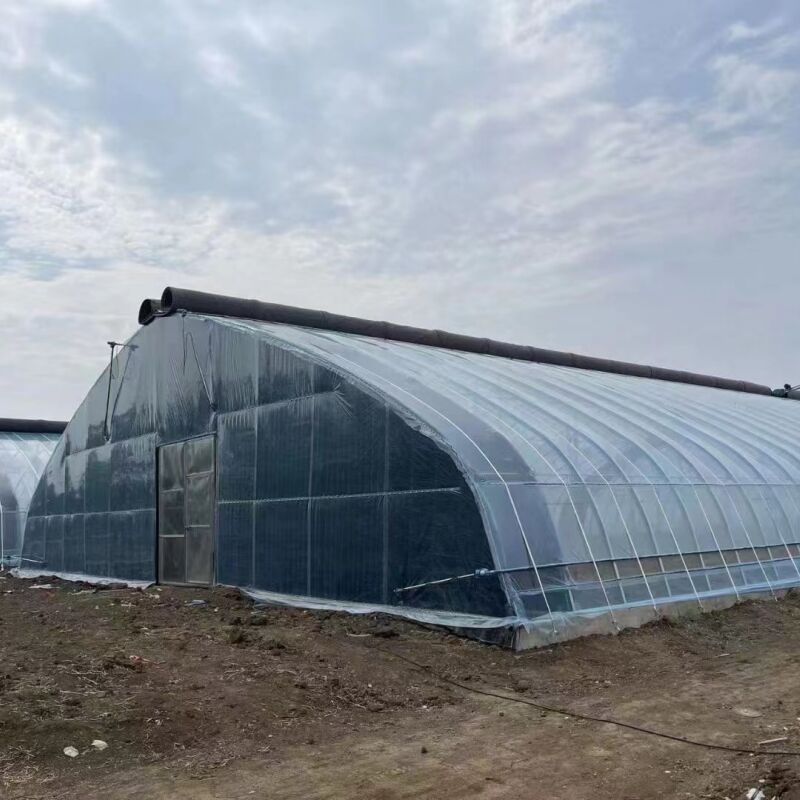
Winter growing presents unique challenges for growers seeking to maintain productive cultivation throughout the coldest months of the year. The success of any winter greenhouse operation fundamentally depends on selecting the appropriate greenhouse frame that can withstand harsh weather conditions while providing optimal growing conditions. Understanding the different frame materials, structural designs, and insulation capabilities becomes crucial for maximizing crop yields during winter months when natural growing conditions are most challenging.
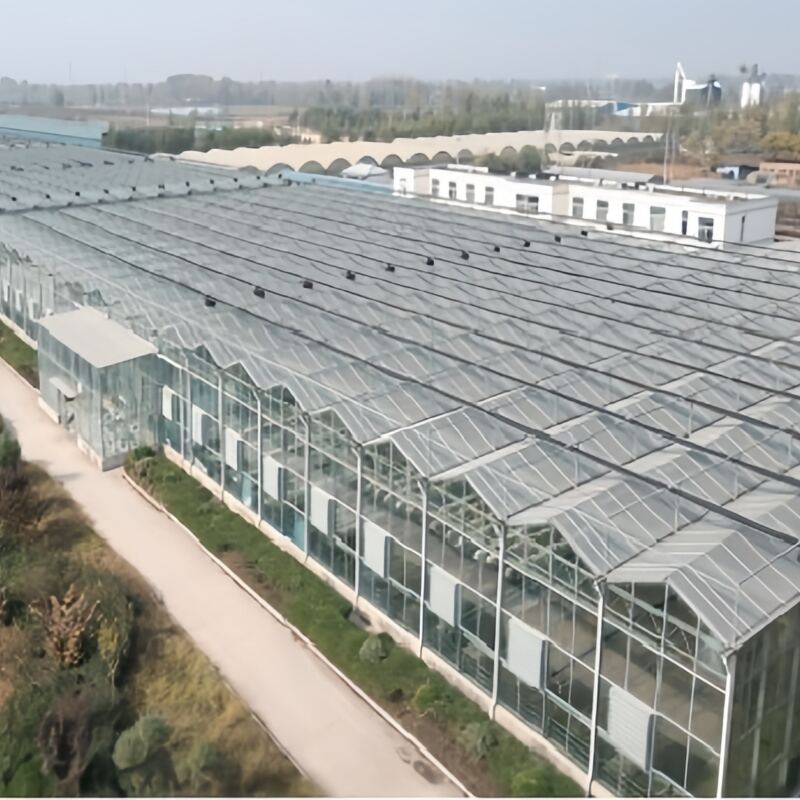
Understanding Greenhouse Frame Materials for Winter Conditions
Aluminum Frame Systems
Aluminum greenhouse frame construction offers exceptional durability and weather resistance for winter growing applications. The lightweight yet strong properties of aluminum make it an ideal choice for areas experiencing heavy snow loads and extreme temperature fluctuations. Aluminum frames resist corrosion naturally, eliminating concerns about rust damage that commonly affects other metal frame materials during wet winter conditions. The thermal properties of aluminum allow for efficient heat distribution throughout the structure while maintaining structural integrity even in sub-zero temperatures.
Modern aluminum greenhouse frame designs incorporate thermal breaks and insulated connections to minimize heat loss during winter operations. These advanced features significantly improve energy efficiency by reducing the thermal bridging that occurs with traditional metal frame construction. Professional growers often prefer aluminum frames for their low maintenance requirements and long-term cost effectiveness, particularly in regions with harsh winter climates where frame reliability becomes critical for crop protection.
Steel Frame Construction
Steel greenhouse frame systems provide unmatched strength and stability for large-scale winter growing operations. The superior load-bearing capacity of steel frames makes them essential for greenhouses in areas prone to heavy snow accumulation and strong winter winds. Galvanized steel frames offer enhanced corrosion resistance, ensuring long-term structural reliability even when exposed to the moisture and temperature extremes typical of winter greenhouse environments.
The robust nature of steel greenhouse frame construction allows for larger span designs without intermediate support columns, maximizing usable growing space while maintaining structural integrity. This advantage becomes particularly important for commercial winter growing operations where efficient space utilization directly impacts profitability. Steel frames also provide excellent anchor points for heating systems, ventilation equipment, and snow removal systems essential for successful winter greenhouse management.
Insulation and Energy Efficiency Considerations
Thermal Performance Requirements
Effective winter growing requires a greenhouse frame system designed to minimize heat loss while maintaining optimal growing temperatures. The thermal performance of different frame materials significantly impacts heating costs and overall energy efficiency during winter months. Insulated greenhouse frame designs incorporate thermal barriers and weatherstripping to prevent air infiltration and reduce conductive heat loss through the structural components.
Advanced greenhouse frame systems feature double-wall construction and insulated glazing attachment systems that create thermal barriers between interior and exterior environments. These design elements work together to maintain consistent internal temperatures while reducing the workload on heating systems. Professional growers evaluating frame options should consider long-term energy costs alongside initial construction expenses when selecting the most appropriate greenhouse frame for their winter growing requirements.
Glazing Integration Methods
The method used to attach glazing materials to the greenhouse frame directly affects winter performance and energy efficiency. Modern frame systems incorporate sophisticated glazing attachment mechanisms that create airtight seals while allowing for thermal expansion and contraction. These advanced attachment systems prevent air leakage that can dramatically increase heating costs during winter operations.
Quality greenhouse frame designs accommodate multiple glazing options including double-wall polycarbonate, tempered glass, and specialized winter glazing materials. The versatility to upgrade glazing materials allows growers to optimize their structures for specific winter growing requirements while maintaining compatibility with their existing frame systems. Proper glazing integration ensures maximum light transmission while providing superior insulation performance throughout the winter growing season.
Structural Design Features for Winter Durability
Snow Load Capacity
Winter greenhouse operations require frame systems engineered to handle substantial snow loads without compromising structural integrity. The greenhouse frame design must account for both uniform snow distribution and potential accumulation patterns that create uneven loading conditions. Professional engineers calculate snow load requirements based on local climate data and building codes to ensure adequate safety margins for extreme weather events.
Reinforced greenhouse frame construction incorporates additional structural members and connection points specifically designed to distribute snow loads effectively. These reinforcements prevent localized stress concentrations that could lead to frame failure during severe winter storms. Regular snow removal protocols become essential components of winter greenhouse management, requiring frame designs that accommodate safe access for maintenance personnel and snow removal equipment.
Wind Resistance Engineering
Winter weather patterns often include strong winds that create significant structural loads on greenhouse frame systems. Aerodynamic greenhouse frame designs minimize wind resistance while maintaining structural stability during severe weather conditions. The shape and orientation of the frame structure directly influence wind loading patterns and overall structural performance during winter storms.
Modern greenhouse frame engineering incorporates wind tunnel testing and computational fluid dynamics analysis to optimize structural designs for specific geographic locations. These advanced design methods ensure that frame systems can withstand the combination of wind and snow loads typical of severe winter weather. Proper foundation design and anchoring systems work in conjunction with the frame structure to provide comprehensive wind resistance for winter growing operations.
Climate Control Integration
Heating System Compatibility
Successful winter growing requires greenhouse frame systems designed to integrate efficiently with various heating technologies. The frame structure must accommodate heating distribution networks, ventilation systems, and temperature control equipment without compromising structural integrity. Modern greenhouse frame designs incorporate mounting points and access panels specifically engineered for heating system installation and maintenance.
Energy-efficient greenhouse frame construction supports radiant heating systems, forced air circulation, and hybrid heating approaches commonly used in winter growing operations. The thermal mass and heat distribution characteristics of different frame materials influence heating system performance and overall energy efficiency. Growers should evaluate frame options based on their specific heating requirements and local energy costs to optimize long-term operational efficiency.
Ventilation System Design
Winter greenhouse management requires sophisticated ventilation systems integrated into the frame structure to maintain optimal growing conditions. The greenhouse frame must support automated vent systems, exhaust fans, and air circulation equipment while maintaining structural stability. Proper ventilation design prevents moisture buildup and temperature fluctuations that can damage crops during winter growing seasons.
Advanced greenhouse frame systems incorporate integrated ventilation channels and airflow management features that work in conjunction with mechanical systems. These design elements ensure consistent air circulation throughout the growing space while minimizing heat loss during winter operations. The compatibility between frame design and ventilation requirements directly impacts crop health and energy efficiency during challenging winter growing conditions.
Maintenance and Longevity Factors
Seasonal Maintenance Requirements
Different greenhouse frame materials require specific maintenance protocols to ensure optimal performance throughout winter growing seasons. Aluminum frames typically require minimal maintenance beyond regular cleaning and inspection of connection points. Steel frames may need periodic coating maintenance to prevent corrosion, particularly in areas with high humidity or salt exposure during winter months.
Preventive maintenance schedules should address potential issues before they impact winter growing operations. Regular inspection of frame connections, glazing seals, and structural components helps identify problems early when repairs are more manageable. Professional maintenance programs often include thermal imaging inspections to identify areas of heat loss that could indicate frame or glazing problems affecting winter growing efficiency.
Long-term Performance Expectations
Investment in quality greenhouse frame construction pays dividends through reliable performance over multiple growing seasons. Professional-grade frame systems typically provide decades of service with proper maintenance, making them cost-effective choices for serious winter growing operations. The initial investment in superior frame construction often results in lower long-term costs through reduced maintenance requirements and improved energy efficiency.
Frame selection decisions should consider the total cost of ownership including initial construction, maintenance requirements, energy efficiency, and expected service life. Quality greenhouse frame systems maintain their structural integrity and performance characteristics throughout their service life, providing consistent growing conditions for winter crop production. Professional growers often find that investing in superior frame construction improves crop yields and reduces operational costs over time.
FAQ
What greenhouse frame material performs best in cold climates
Aluminum greenhouse frame systems generally perform best in cold climates due to their excellent thermal properties, corrosion resistance, and structural stability. The natural corrosion resistance of aluminum prevents deterioration from moisture and temperature cycling common in winter conditions. Additionally, modern aluminum frame designs incorporate thermal breaks that minimize heat loss while maintaining structural integrity even in extreme cold conditions.
How much snow load should a winter greenhouse frame handle
Winter greenhouse frame systems should be engineered to handle snow loads specified by local building codes, typically ranging from 20 to 50 pounds per square foot depending on geographic location. Professional engineering analysis considers both uniform snow distribution and potential drift patterns that create concentrated loads. Many commercial greenhouse frame designs exceed minimum requirements to provide additional safety margins for severe weather events.
Do greenhouse frame materials affect heating costs during winter
Yes, greenhouse frame materials significantly impact heating costs through their thermal conductivity and ability to support insulation systems. Frames with thermal breaks and insulated connection details reduce heat loss and lower energy consumption. The integration between frame design and glazing systems also affects overall thermal performance, with properly engineered systems reducing heating costs by 20-40% compared to basic frame construction.
Can existing greenhouse frames be upgraded for better winter performance
Many existing greenhouse frame systems can be upgraded to improve winter performance through retrofitting thermal breaks, upgrading glazing materials, and adding structural reinforcements. However, the extent of possible improvements depends on the original frame design and construction quality. Professional assessment helps determine which upgrades provide the best return on investment for specific winter growing requirements and local climate conditions.