 EN

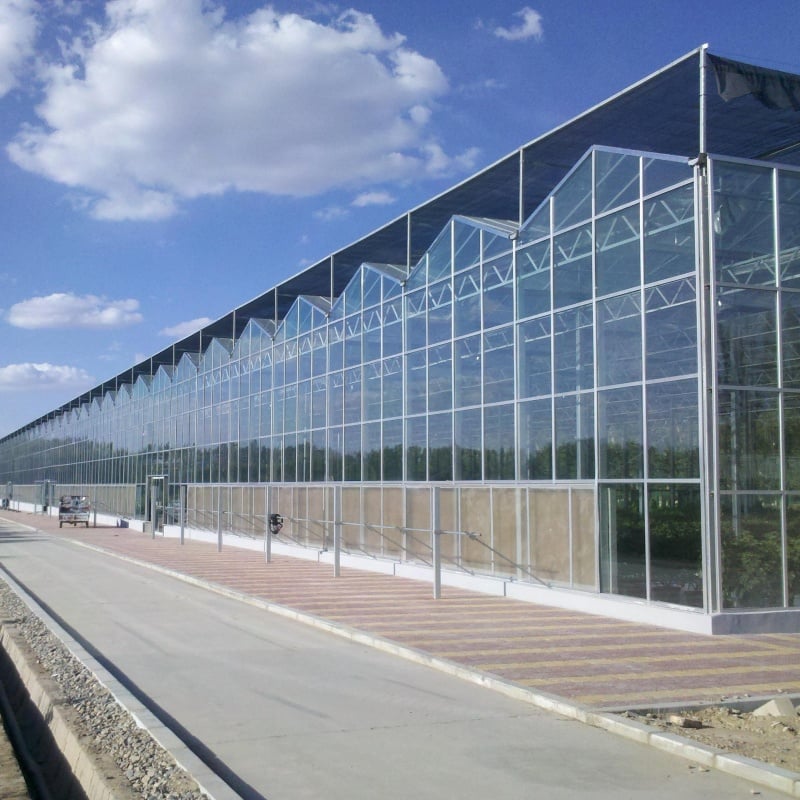
A tunnel greenhouse represents a fundamental shift in how modern growers approach cultivation challenges. Unlike traditional growing methods confined to seasonal cycles, a tunnel greenhouse extends the productive calendar and maximizes land efficiency in ways conventional structures simply cannot match. For commercial producers and serious gardeners alike, understanding why a tunnel greenhouse delivers superior performance compared to traditional options has become essential to remaining competitive and profitable in today's agricultural landscape.
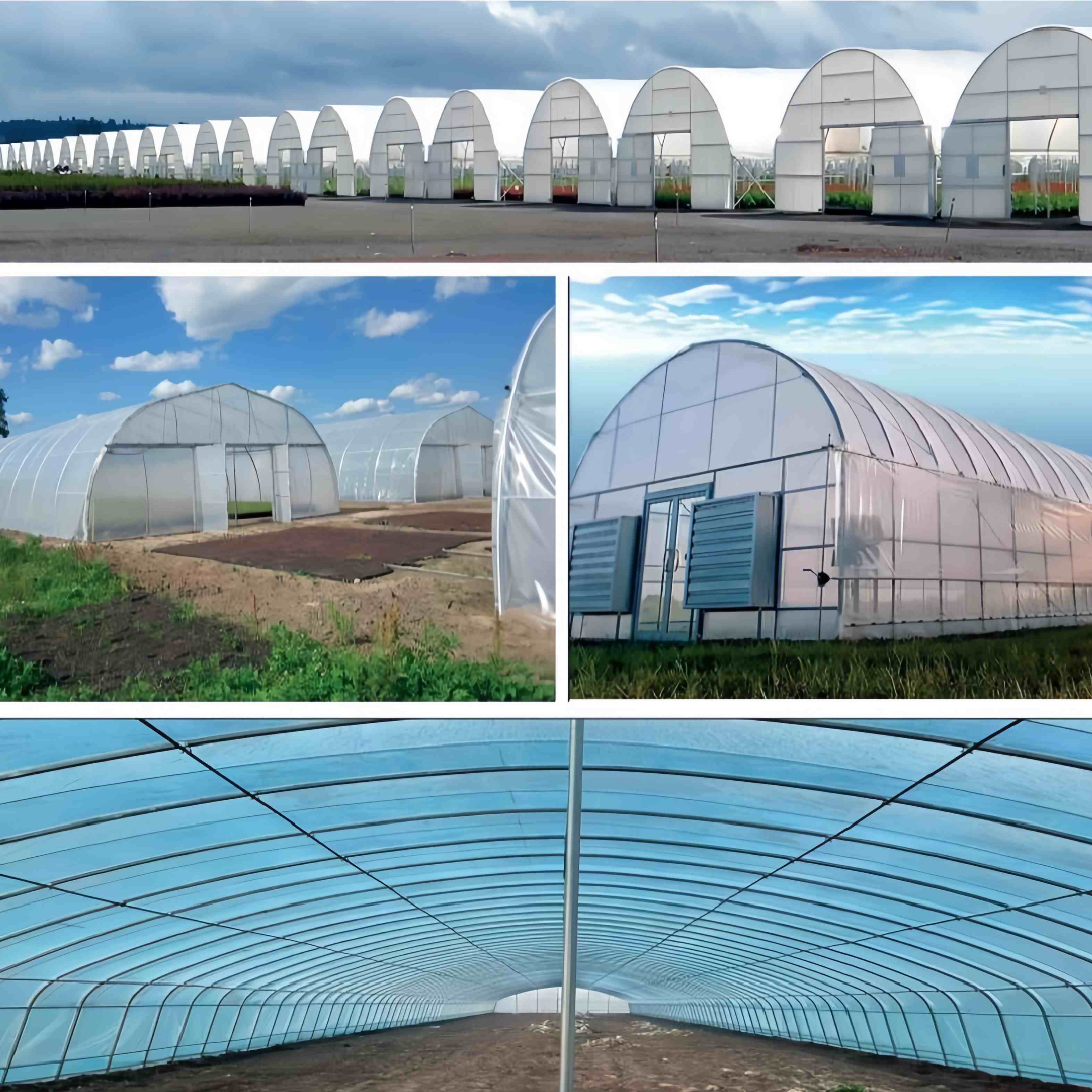
The advantages of choosing a tunnel greenhouse extend far beyond simple aesthetics or trendy marketing claims. A tunnel greenhouse integrates practical engineering, proven cost efficiency, and environmental control into a single investment that transforms how crops are grown. Traditional cultivation methods—whether open-field agriculture or basic plastic structures—lack the specialized design features that make a tunnel greenhouse so effective. This article explores the core reasons why a tunnel greenhouse has become the preferred choice for producers seeking reliability, productivity, and long-term economic viability.
Superior Cost Efficiency and Faster ROI
Investment-to-Output Ratio
A tunnel greenhouse delivers exceptional value through its streamlined construction and material efficiency. The curved design minimizes structural materials compared to rigid-frame alternatives, which directly reduces initial capital expenditure. Operators discover that a tunnel greenhouse achieves rapid return on investment because the cost-per-square-meter is significantly lower than conventional glass or rigid polycarbonate structures. Over a five to ten-year operational window, the financial advantage compounds as maintenance costs remain predictable and minimal.
The operational efficiency of a tunnel greenhouse translates into measurable profit margins that traditional growing cannot replicate. Energy requirements for heating and cooling inside a tunnel greenhouse are substantially reduced due to superior thermal mass and airflow dynamics inherent to the design. Growers who switch from open-field or traditional wooden-frame structures to a tunnel greenhouse report labor savings of fifteen to twenty percent annually because the controlled environment reduces disease pressure and crop loss. These cumulative savings justify the initial investment within two to three growing seasons for most commercial operations.
Material and Maintenance Savings
Traditional greenhouse structures demand frequent maintenance, replacement of glazing materials, and structural repairs that accumulate substantial long-term costs. A tunnel greenhouse, by contrast, uses durable plastic covering materials rated for three to five years, with predictable replacement cycles that fit neatly into annual budgets. The simpler structural design of a tunnel greenhouse means fewer mechanical components prone to failure, fewer fasteners to corrosion, and lower labor costs for seasonal maintenance compared to traditional multi-panel systems.
Replacement and upgrade cycles within a tunnel greenhouse follow a transparent, manageable timeline. When the plastic cover requires renewal, the process is straightforward and comparatively inexpensive relative to replacing glazing panels in traditional structures. This predictability allows growers to plan capital expenditures accurately, whereas traditional greenhouse maintenance often involves surprise repairs that disrupt budgets and operations.
Year-Round Climate Control and Extended Growing Seasons
Environmental Consistency Throughout the Year
The defining advantage of a tunnel greenhouse lies in its exceptional ability to maintain stable temperature and humidity year-round, regardless of external weather conditions. Traditional open-field agriculture is entirely subject to seasonal frost cycles, unpredictable weather patterns, and atmospheric extremes that restrict production to specific months. A tunnel greenhouse creates a buffered microclimate where internal conditions remain isolated from external temperature swings, allowing growers to cultivate heat-sensitive or cold-sensitive crops during months when they would otherwise perish outdoors.
Inside a tunnel greenhouse, ventilation systems, shade cloths, and thermal mass work together to moderate temperature fluctuations. The curved profile of a tunnel greenhouse promotes natural convection, allowing warm air to rise and circulate efficiently, while the single-layer or double-layer plastic covering provides insulation without excessive weight or structural burden. This passive climate regulation, combined with active systems like fans and heaters, enables a tunnel greenhouse to maintain optimal conditions far more cost-effectively than traditional rigid structures that demand larger heating and cooling systems to achieve comparable results.
Extended Harvest Windows and Crop Diversification
Growers operating a tunnel greenhouse routinely extend their productive season by four to six months compared to traditional growing methods. Crops that require specific temperature ranges—tomatoes, peppers, cucumbers, berries, and leafy greens—thrive in a tunnel greenhouse environment where environmental parameters are precisely controlled. This extended harvest window directly increases annual revenue per square meter of growing space, making a tunnel greenhouse an economically superior choice for producers seeking maximum productivity from limited land.
The versatility of a tunnel greenhouse enables simultaneous cultivation of multiple crop varieties with different environmental requirements. A single tunnel greenhouse can accommodate cool-season greens in autumn and winter, transition to heat-loving fruiting crops in spring and summer, and cycle through succession plantings that traditional structures cannot support. This flexibility transforms a tunnel greenhouse into a year-round production engine that generates consistent cash flow rather than seasonal revenue spikes.
Structural Durability and Protection Against Environmental Threats
Weather Resistance and Crop Protection
Traditional growing methods expose crops to hail, heavy wind, frost damage, excessive rain, and intense solar radiation that cause substantial crop losses annually. A tunnel greenhouse provides comprehensive protection by creating a stable enclosure that shields plants from these environmental threats while allowing beneficial light penetration. The curved design of a tunnel greenhouse deflects wind more effectively than rigid structures, reducing mechanical stress on the framework and minimizing crop damage from wind-driven rain or debris.
The polyethylene or similar plastic covering of a tunnel greenhouse diffuses intense solar radiation, preventing sunscald and heat stress that commonly damage crops in traditional open-field conditions. Rain protection inside a tunnel greenhouse reduces fungal disease incidence by thirty to fifty percent compared to traditional growing, directly lowering chemical input costs and improving crop quality. Growers recognize that investing in a tunnel greenhouse is fundamentally investing in crop insurance—the protective enclosure converts weather-related losses into reliable productivity.
Disease Management and Pest Control Efficiency
A tunnel greenhouse dramatically improves disease management capabilities compared to traditional outdoor agriculture where pathogenic organisms spread freely through wind and splash water. The enclosed environment of a tunnel greenhouse allows growers to implement integrated pest management strategies that would be impossible in open fields. Insect screens, humidity control, and air circulation systems integrated into a tunnel greenhouse reduce pesticide requirements by forty to sixty percent, lowering input costs while improving crop safety and marketability.
The containment offered by a tunnel greenhouse extends to quarantine functions and experimental growing. Producers can isolate plant varieties, test new crops, or manage disease outbreaks within a single tunnel greenhouse without risking the broader operation. This operational flexibility and biosecurity advantage is impossible with traditional growing methods, making a tunnel greenhouse an essential tool for professional and commercial agricultural operations.
FAQ
How does a tunnel greenhouse compare to a traditional glass greenhouse in terms of initial cost?
A tunnel greenhouse typically costs thirty to forty percent less to construct than a traditional glass greenhouse of equivalent size. The simpler curved structure requires fewer materials, less complex installation, and minimal site preparation. While traditional glass greenhouses offer superior aesthetics and longevity in certain contexts, a tunnel greenhouse delivers superior cost efficiency and faster return on investment for most commercial growing operations. The lower initial investment of a tunnel greenhouse makes it accessible to smaller producers and enables faster scaling for established operations.
Can a tunnel greenhouse maintain adequate temperature control during extreme winter conditions?
Yes, a tunnel greenhouse with proper insulation, heating systems, and thermal mass management can maintain growing conditions even during severe winter weather. Double-layer plastic covers with air inflation provide significantly improved thermal resistance compared to single-layer designs. Most tunnel greenhouse operations in cold climates incorporate supplemental heating systems that activate automatically when internal temperatures approach critical thresholds. The passive thermal properties of a tunnel greenhouse reduce heating demand compared to traditional structures, making winter growing economically viable in most temperate regions.
What is the typical lifespan of a tunnel greenhouse, and when does the covering need replacement?
A well-maintained tunnel greenhouse structure typically lasts fifteen to twenty years, while the plastic covering material requires replacement every three to five years depending on UV exposure, climate, and material quality. This predictable replacement cycle makes budget planning straightforward compared to traditional structures that may require unexpected repairs. Many growers schedule plastic replacement during dormant seasons to minimize productivity disruption. The modular design of most tunnel greenhouse systems allows covering replacement without dismantling the entire structure, keeping downtime and costs manageable.