 EN

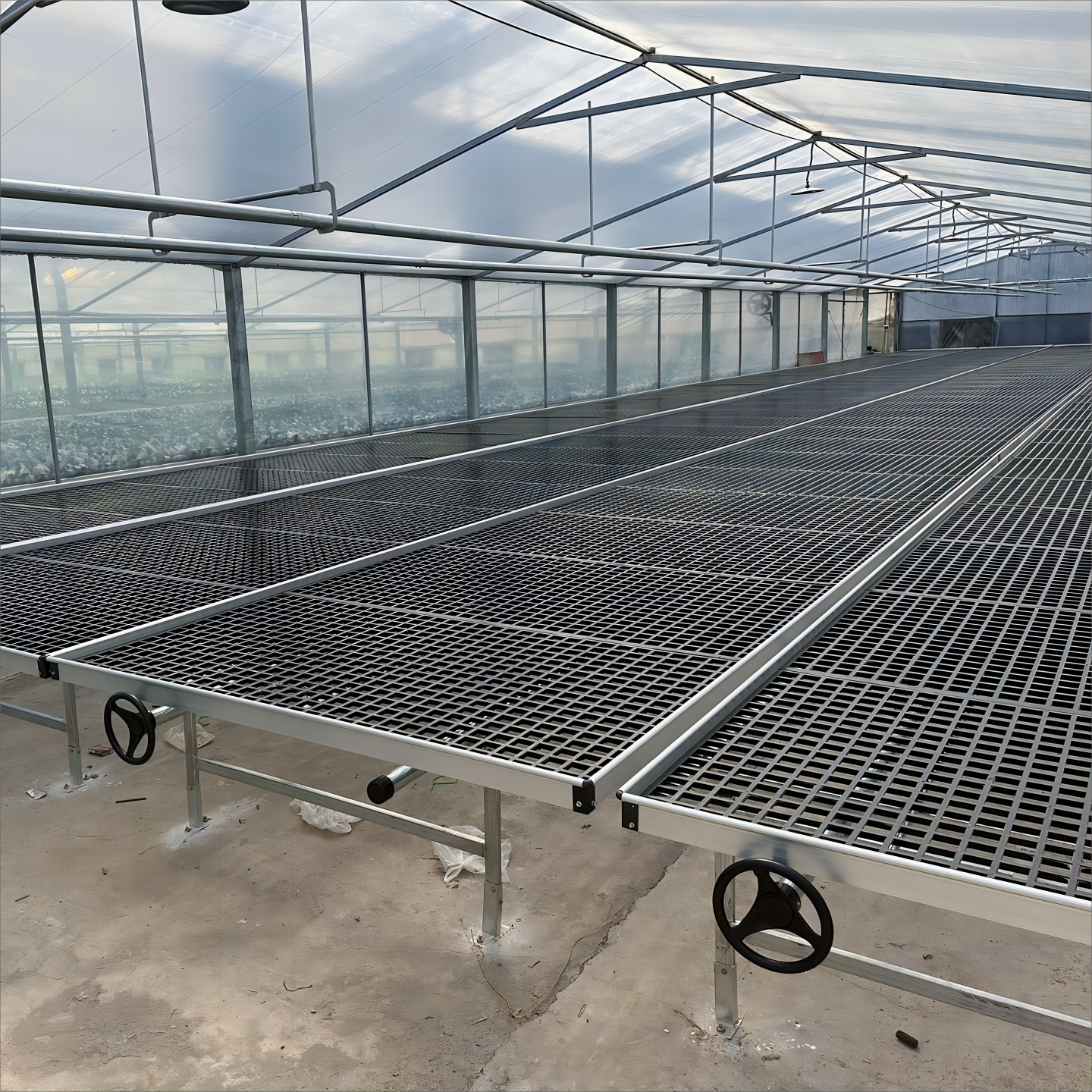
Selecting the right greenhouse frame fundamentally determines the success of your tomato growing operation. The structural design, material composition, and thermal properties of your greenhouse frame directly influence plant health, yield quality, and long-term operational costs. Tomatoes demand consistent warmth, humidity control, and structural stability to thrive, making the choice of greenhouse frame one of the most critical decisions you'll make as a grower.
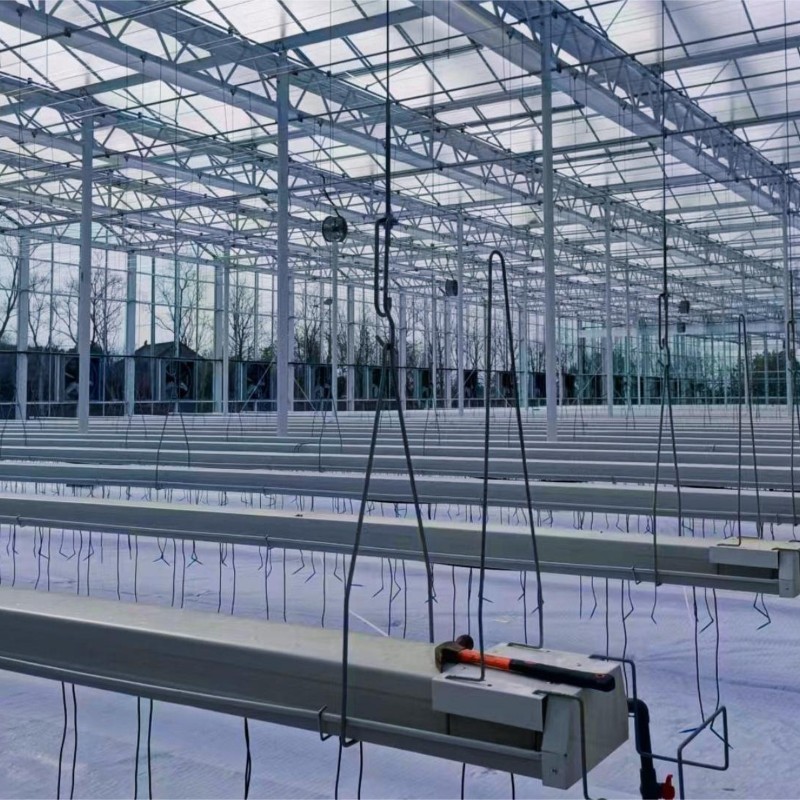
Modern greenhouse frame technology offers multiple options, each with distinct advantages for tomato production. Understanding the performance characteristics of different greenhouse frame materials and designs helps you optimize your growing environment while managing capital investment and maintenance requirements effectively. This guide examines the primary greenhouse frame types suited for tomato cultivation and evaluates their suitability across various growing scenarios.
Material Options for Greenhouse Frame Construction
Glass Greenhouse Frame Benefits
A glass greenhouse frame remains the premium choice for professional tomato growers seeking maximum light transmission and durability. Glass panels in a greenhouse frame allow 90 percent of sunlight penetration compared to 85 percent for quality polycarbonate, directly supporting vigorous tomato growth and fruit development. The rigid greenhouse frame structure supporting glass maintains dimensional stability in temperature fluctuations, preventing the seal degradation that affects plastic alternatives. Glass greenhouse frame installations perform exceptionally well in regions with intense summer sun, as the material does not yellow or degrade over time like polycarbonate does.
The greenhouse frame design for glass installations typically incorporates aluminum or steel support members, creating a robust skeleton that withstands wind loads and snow accumulation. A well-engineered greenhouse frame with quality glass can remain productive for twenty-five to thirty years, significantly reducing per-year cost when amortized across the lifespan. Maintenance of a glass greenhouse frame requires regular cleaning but involves minimal replacement of structural components, making it economical over extended timeframes.
Polycarbonate Greenhouse Frame Performance
Polycarbonate greenhouse frame systems offer a practical middle ground between cost and functionality for tomato cultivation. The greenhouse frame that incorporates twin-wall polycarbonate panels provides insulation values between 1.0 and 1.6 R-value depending on panel thickness, reducing heating requirements during cooler months. Polycarbonate greenhouse frame construction delivers adequate light diffusion while filtering harmful ultraviolet radiation, which can stress tomato plants during peak summer conditions. Impact resistance of polycarbonate means your greenhouse frame withstands hail and weather stress better than glass in regions prone to severe storms.
A polycarbonate greenhouse frame requires more frequent panel replacement, typically every ten to fifteen years, as the material gradually degrades under continuous ultraviolet exposure. The greenhouse frame structure supporting polycarbonate panels must accommodate thermal expansion and contraction, necessitating careful gap management at connection points. Despite higher maintenance demands, the lower initial cost and superior durability compared to plastic film make polycarbonate greenhouse frame selection popular among commercial tomato producers.
Structural Design and Climate Control Features
Ventilation and Temperature Management
The physical greenhouse frame design directly impacts your ability to maintain optimal growing temperatures for tomatoes, which thrive between 70 and 85 degrees Fahrenheit during the day. A greenhouse frame incorporating roof vents, sidewall vents, and louvered designs enables natural air circulation that prevents heat stress and fungal disease development. Motorized vent systems integrated with the greenhouse frame structure automatically respond to temperature changes, reducing labor requirements while ensuring consistent climate conditions. The greenhouse frame must include strategic ventilation positioning to create air movement patterns that prevent hot spots while maintaining humidity levels between 60 and 80 percent.
Modern greenhouse frame installations increasingly feature automated louver systems and evaporative cooling options that work synergistically to maintain stable microclimates. The greenhouse frame supporting infrastructure must accommodate these mechanical systems without compromising structural integrity or light transmission capacity. Growers selecting greenhouse frame designs should evaluate ventilation capability as a primary criterion, as inadequate air movement directly reduces tomato yield and fruit quality.
Heating and Insulation Capabilities
Cold-climate tomato production demands a greenhouse frame with superior insulation properties, particularly during spring and fall growing seasons. Thermal greenhouse frame designs incorporating double-wall construction or double-glazing significantly reduce heat loss, lowering fuel consumption and extending growing windows. A greenhouse frame with polycarbonate or double-glazed glass reduces heating costs by thirty to forty percent compared to single-layer plastic film structures. Advanced greenhouse frame installations include thermal screens that deploy during nighttime hours, further minimizing radiant heat loss while maintaining daytime light access.
The greenhouse frame base structure impacts ground heat retention and drainage, both critical for tomato root health in extended growing seasons. Properly insulated foundation trenches and below-grade greenhouse frame sealing prevent cold air infiltration that otherwise compromises plant growth. Heating system integration with the greenhouse frame design, including air distribution ducting and placement optimization, ensures uniform temperature distribution throughout the growing space.
Practical Considerations for Tomato-Specific Growing
Support Systems and Growing Infrastructure
Tomato cultivation requires robust greenhouse frame systems capable of supporting heavy crop loads and vertical growing infrastructure. Indeterminate tomato varieties develop substantial stem and foliage weight, necessitating greenhouse frame designs with reinforced horizontal members and integrated trellis attachment points. The greenhouse frame spacing and overhead rail systems must safely support wire trellising, string systems, or vertical growing towers commonly used in commercial tomato operations. A sturdy greenhouse frame with proper load distribution prevents equipment failure and ensures worker safety during high-activity harvest periods.
Integrated drip irrigation systems, misting lines, and climate monitoring equipment all attach to the greenhouse frame structure, requiring adequate mounting provisions. The greenhouse frame design should incorporate removable panels or access points for equipment maintenance without dismantling permanent structural components. Choosing a greenhouse frame that anticipates these equipment needs prevents costly retrofitting and structural modifications during the growing season.
Disease Prevention and Environmental Control
Tomato pathogens, including fungal diseases and powdery mildew, thrive in humid environments without adequate air movement, making greenhouse frame ventilation design essential for crop health. The greenhouse frame geometry should promote natural convection patterns that prevent stagnant air pockets where disease organisms proliferate. Shade cloth integration with the greenhouse frame structure reduces excessive heat while maintaining air circulation, preventing the condensation conditions that encourage disease development. Professional growers select greenhouse frame materials and designs that support deployment of shade systems without compromising structural stability or growing space.
Humidity management through the greenhouse frame ventilation system directly prevents common tomato diseases including early blight, late blight, and fungal infections that devastate yields. Regular monitoring combined with greenhouse frame climate control capabilities enables rapid adjustments that maintain plant health throughout the growing season. The investment in a quality greenhouse frame with superior environmental control ultimately reduces disease pressure and chemical input requirements, improving both profitability and sustainability metrics.
FAQ
What greenhouse frame material offers the best light transmission for tomato growing?
Glass greenhouse frame systems deliver the highest light transmission at approximately 90 percent, directly supporting maximum photosynthesis and fruit development. Polycarbonate greenhouse frame installations provide 85 to 88 percent light transmission with superior diffusion properties that reduce sunburn risk. For tomato cultivation, the slight light reduction from polycarbonate greenhouse frame systems is often offset by improved thermal efficiency and reduced cooling requirements during hot seasons, making either option viable depending on your climate zone.
How long does a typical greenhouse frame installation last before requiring replacement?
A glass greenhouse frame can remain productive for 25 to 30 years with minimal structural maintenance, primarily requiring panel cleaning and occasional caulking. Polycarbonate greenhouse frame systems typically require panel replacement every 10 to 15 years as the material gradually degrades under ultraviolet exposure. Steel or aluminum greenhouse frame structures supporting either material can last indefinitely with proper maintenance, though coating touch-ups and bolt tightening maintain weathertightness over decades.
Does greenhouse frame ventilation design significantly impact tomato yield and quality?
Yes, greenhouse frame ventilation design directly influences tomato yield by regulating temperature, humidity, and air circulation patterns that prevent disease development and heat stress. A greenhouse frame with inadequate ventilation capability consistently produces lower yields, increased disease pressure, and reduced fruit quality compared to well-designed systems. Growers prioritizing greenhouse frame selection based on ventilation performance achieve significantly better results in both yield quantity and marketable fruit quality throughout the growing season.