 EN

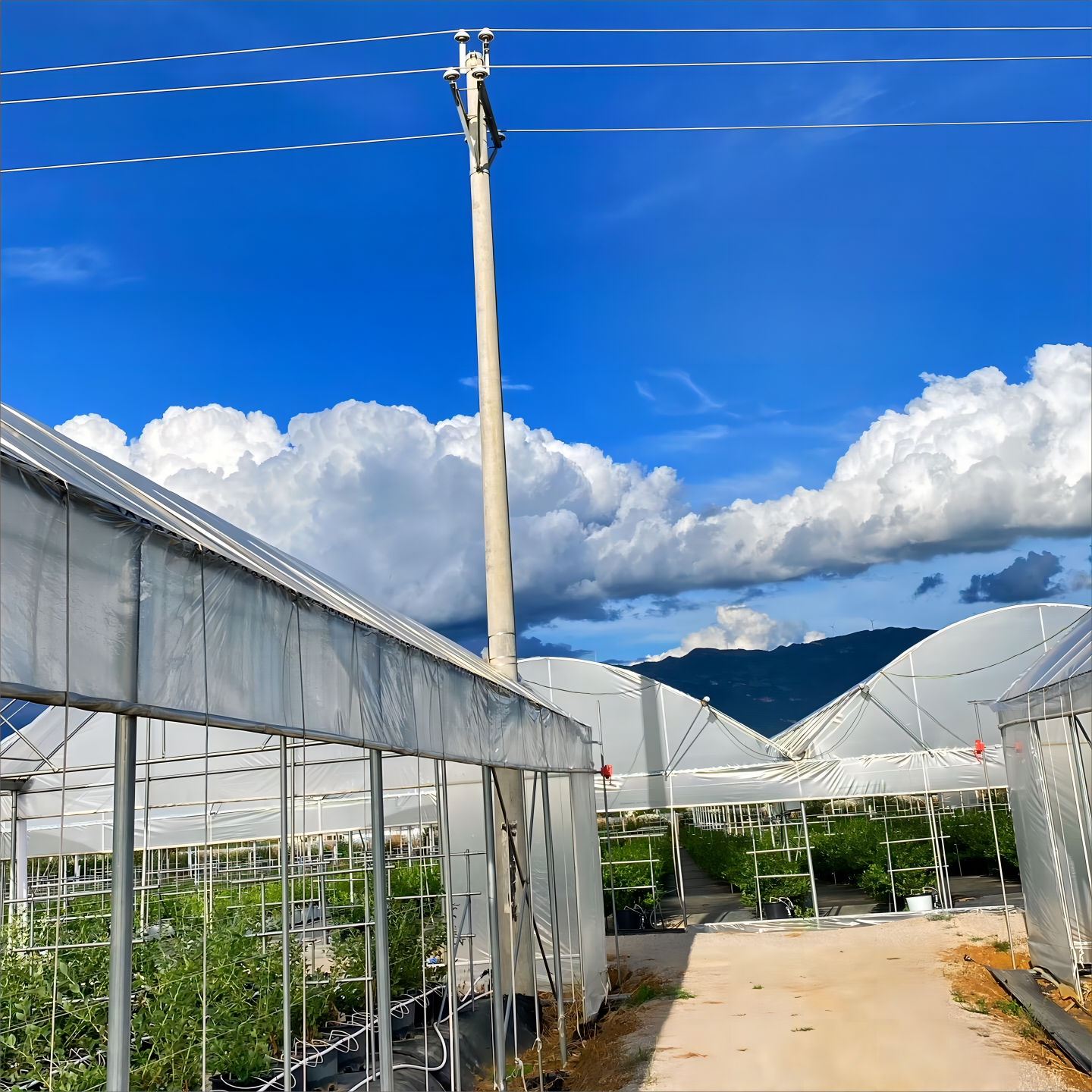
The greenhouse frame is the backbone of any successful cold climate growing operation. In regions where winter temperatures plummet and snow load becomes a critical concern, the greenhouse frame design directly determines whether your plants survive or your investment fails. A poorly designed greenhouse frame cannot handle environmental stress, collapses under heavy snow, or allows excessive heat loss through structural gaps. Conversely, a well-engineered greenhouse frame maximizes thermal efficiency, withstands extreme weather, and creates a stable microclimate that protects crops year-round. Understanding why greenhouse frame engineering matters in cold climates is essential for anyone planning a reliable growing facility.

Cold climate growers face unique challenges that temperate-zone operations never encounter. The greenhouse frame must resist wind loading, accommodate snow accumulation, prevent thermal bridging, and maintain structural integrity through freeze-thaw cycles. The material composition, angle of support members, and joint design all influence how well the greenhouse frame responds to these demands. A robust greenhouse frame design ensures consistent internal temperatures, reduces energy waste, and extends the operational lifespan of the entire structure. This article explores the critical reasons greenhouse frame design matters so profoundly in cold regions.
Structural Load-Bearing Capacity and Snow Management
Understanding Snow Load Requirements
Snow load is the primary structural challenge in cold climate greenhouse design. A greenhouse frame must be engineered to support the weight of accumulated snow without deforming, buckling, or failing. The roof pitch of the greenhouse frame plays a crucial role in shedding snow naturally; steeper angles encourage snow to slide off before dangerous loads accumulate. A poorly angled greenhouse frame allows snow to gather, concentrating massive weight on support members that were never designed for such stress. Cold climate regions receive anywhere from 20 to 400 inches of snow annually, depending on geography. The greenhouse frame design must account for the worst-case scenario in your specific region.
Material Selection and Joint Design
The material used in the greenhouse frame directly affects load-bearing capacity. Galvanized steel provides superior strength-to-weight ratios compared to aluminum, making it the preferred choice for heavy-snow zones. The greenhouse frame joints must be welded or mechanically reinforced to handle peak loads without separation or stress concentration. Bolted connections in an improperly designed greenhouse frame often fail at stress points during rapid temperature swings or heavy snow events. A greenhouse frame engineered with continuous welds, proper gusset plates, and redundant support members offers the reliability needed to protect valuable crops and equipment through harsh winters.
Thermal Efficiency and Heat Retention
Minimizing Thermal Bridging
Thermal bridging occurs when the greenhouse frame conducts heat directly from inside to outside, bypassing insulation. Metal greenhouse frame members act as pathways for heat escape, reducing the internal temperature and forcing heating systems to work harder. A greenhouse frame design that incorporates thermal breaks—insulating materials placed between inner and outer frame members—can reduce heat loss by 15 to 30 percent. Cold climate greenhouse operations depend on every percentage point of energy efficiency to remain profitable. The greenhouse frame geometry and material placement determine whether thermal energy is retained or wasted, making frame design a critical factor in winter growing economics.
Air Sealing and Envelope Integrity
The greenhouse frame creates the structural envelope that holds glazing and cladding materials in place. If the greenhouse frame joints are loose, misaligned, or poorly sealed, cold air infiltrates the growing space and creates temperature gradients that stress plants. A greenhouse frame designed with integrated gasket channels, precision manufacturing tolerances, and thermal break placement maintains a tight envelope. Inadequate greenhouse frame design allows convective heat loss through gaps and cracks that accumulate over time. Proper frame engineering ensures that your climate control system works efficiently and that heat distribution remains uniform throughout the growing space.
Durability and Long-Term Performance in Freeze-Thaw Cycles
Material Degradation and Corrosion Resistance
Freeze-thaw cycles create stress that degrades materials over time. Water enters small cracks in the greenhouse frame, freezes, expands, and forces fractures that weaken structural members. Galvanized or stainless steel greenhouse frame materials resist corrosion far better than bare metal, which rusts rapidly when exposed to moisture and road salt common in northern climates. A poorly maintained or substandard greenhouse frame deteriorates quickly, compromising both safety and growing conditions. Investing in a greenhouse frame built from corrosion-resistant materials and sealed against water infiltration protects your asset for 15 to 25 years rather than 5 to 7 years.
Maintenance Requirements and Accessibility
The greenhouse frame design affects maintenance frequency and cost. A greenhouse frame with accessible joints, proper drainage paths, and designed-in inspection points allows you to identify corrosion, stress fractures, or seal failures before they become critical failures. Complex greenhouse frame geometries that trap water or prevent visual inspection hide damage until catastrophic failure occurs. A well-designed greenhouse frame incorporates maintenance accessibility into its fundamental geometry. Cold climate growers benefit enormously from a greenhouse frame that allows routine inspection, preventive maintenance, and rapid repair when needed.
Climate Control Integration and Consistency
Supporting Insulation Systems
Modern cold climate greenhouse operations often use double-layer plastic, insulated panels, or movable thermal screens to reduce heating costs. The greenhouse frame must be engineered to support the weight and complexity of these systems. A lightweight aluminum greenhouse frame designed for temperate zones cannot reliably support heavy insulation layers and snow simultaneously. The greenhouse frame design must include reinforcement points, proper spacing for insulation attachment, and structural reserve capacity. A greenhouse frame that accommodates advanced climate control technologies allows growers to invest in efficiency upgrades without worrying about structural overload.
Environmental Sensor and Automation Support
Modern greenhouse operations rely on environmental monitoring systems, automated vents, heating lines, and irrigation infrastructure all suspended from or integrated into the greenhouse frame. A thoughtfully engineered greenhouse frame provides mounting points, routing channels, and structural support for these systems. Poor greenhouse frame design forces improvised mounting solutions that compromise aesthetics, create safety hazards, and limit future upgrades. The greenhouse frame should be considered not just as a passive structure but as an active platform that enables modern growing technology and climate management.
FAQ
Why does greenhouse frame material choice matter more in cold climates than temperate regions?
Cold climate greenhouse frames must withstand extreme temperature swings, snow loads, wind pressure, and corrosive conditions that rarely occur in temperate zones. Aluminum greenhouse frames, which work adequately in mild climates, become brittle and lose strength in sustained cold and cannot support heavy snow safely. Galvanized steel greenhouse frame materials maintain structural properties in extreme cold and resist the corrosion from road salt, moisture, and freezing water infiltration. Material choice directly determines whether your greenhouse frame remains safe and functional for decades or requires replacement within a few years.
Can an existing temperate-zone greenhouse frame be retrofitted for cold climate use?
Retrofitting an existing greenhouse frame for cold climate conditions is rarely practical or cost-effective. A greenhouse frame designed for light snow and moderate winds lacks the structural reserve necessary for heavy snow zones. Adding reinforcement to an inadequate greenhouse frame is expensive, disrupts operations, and often cannot address underlying design flaws like poor thermal breaks or inadequate drainage. A purpose-built greenhouse frame designed specifically for your cold climate zone offers better reliability, energy efficiency, and long-term value than attempting to upgrade a structure with fundamental design limitations.
How often should cold climate greenhouse frame inspections occur?
Comprehensive greenhouse frame inspections should occur at least twice annually: once after heavy snow season ends and once before winter loading begins. After any major weather event such as heavy wind, ice storms, or extreme temperature swings, examine the greenhouse frame for stress fractures, seal failures, or corrosion initiation. Regular greenhouse frame inspection identifies problems early when repairs are simple and inexpensive rather than waiting for failure that shuts down your entire operation and damages crops. Monthly visual checks during the growing season help catch emerging issues before they compromise structural safety or climate control performance.