 EN

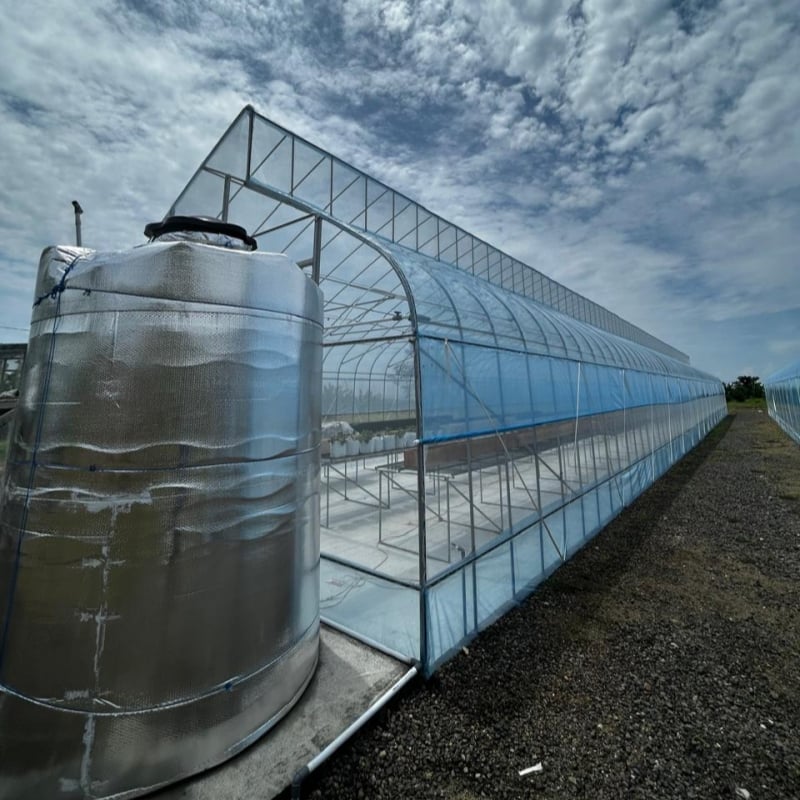
A solar greenhouse represents one of the most efficient ways to extend growing seasons and reduce heating costs in agricultural operations. However, the effectiveness of any solar greenhouse depends heavily on the climate zone where it is built. Understanding why solar greenhouse designs vary by climate zone is essential for farmers, horticulturists, and agricultural entrepreneurs planning to invest in these structures.

Regional climate conditions dictate nearly every aspect of solar greenhouse performance, including orientation, insulation levels, glazing materials, and ventilation systems. A solar greenhouse designed for a cold northern region would be impractical in a hot desert climate, and vice versa. This article explores how climate zones influence solar greenhouse design decisions and why customization is not optional but mandatory for success.
Climate Zone Characteristics and Solar Greenhouse Orientation
Understanding Regional Temperature Patterns
Each climate zone presents distinct temperature fluctuations that directly affect solar greenhouse performance. Cold zones experience prolonged freezing periods, requiring a solar greenhouse to capture and retain maximum solar radiation. Temperate zones have moderate seasons where a solar greenhouse must balance heat retention in winter with cooling in summer. Tropical and subtropical zones face year-round warmth, meaning a solar greenhouse in these regions prioritizes shade management and moisture control rather than heat accumulation.
The solar greenhouse in northern climates typically features a south-facing orientation in the Northern Hemisphere to intercept the lowest winter sun angle. In contrast, a solar greenhouse in southern latitudes may use north-facing or east-west orientations to maximize year-round light while managing excessive heat gain. This fundamental difference in positioning means that a solar greenhouse blueprint suitable for Canada would fail in Australia.
Solar Radiation and Glazing Strategy
Solar radiation intensity varies dramatically across climate zones, forcing each solar greenhouse design to adopt different glazing approaches. Cold-climate solar greenhouses typically use double or triple-layer polycarbonate or glass to trap heat, sacrificing some light transmission for superior insulation. A solar greenhouse in a region with intense sun exposure may use single-layer or semi-translucent materials to reduce overheating while still allowing sufficient light penetration.
The solar greenhouse material choice directly impacts operational costs and plant health. High-altitude or high-latitude regions demand that a solar greenhouse minimize heat loss, while arid climates require a solar greenhouse to manage reflected and absorbed heat that can damage crops. Material thickness, tint options, and light diffusion capabilities must align with regional solar patterns to ensure a solar greenhouse operates efficiently year-round.
Thermal Mass and Heat Storage Requirements
Insulation and Seasonal Heat Needs
Cold-climate solar greenhouses rely heavily on thermal mass—materials like water barrels, stone, or concrete floors—to store daytime heat and release it during freezing nights. The solar greenhouse in these zones must be well-insulated with minimal air infiltration to prevent catastrophic heat loss. Insulation requirements for a solar greenhouse in Minnesota or Canada far exceed those for a solar greenhouse in Florida or Texas.
Conversely, warm-climate regions rarely require substantial thermal mass in a solar greenhouse. Instead, design emphasis shifts to ventilation, shading, and evaporative cooling. The solar greenhouse in such regions prioritizes air circulation and reflective surfaces to prevent excessive temperature spikes. This stark contrast means that retrofitting a solar greenhouse from one climate zone to another is rarely cost-effective.
Foundation and Ground-Level Design
Foundation design varies significantly based on climate considerations for any solar greenhouse. Cold zones require deep footings below the frost line, and a solar greenhouse foundation must be heavily insulated to prevent ground heat loss. Regions prone to heavy snow demand that a solar greenhouse roof pitch and frame strength accommodate substantial snow loads without sagging or warping.
Warm or tropical climates present different foundation challenges. A solar greenhouse in humid regions must include proper drainage and elevation to prevent water pooling and root disease. Windy coastal zones require that a solar greenhouse foundation be secured with deeper anchoring and reinforced frame connections. Each regional threat demands that a solar greenhouse be engineered with localized hazards in mind.
Ventilation, Humidity, and Climate-Specific Systems
Cooling and Humidity Management
Ventilation requirements for a solar greenhouse are inversely proportional to how cold the climate is. A solar greenhouse in a cold zone may need minimal active ventilation, relying instead on simple roof vents for emergency cooling on rare warm days. However, a solar greenhouse in warm climates requires sophisticated ventilation systems, including louvers, exhaust fans, and shade cloths to maintain safe growing temperatures.
Humidity control also differs dramatically by climate zone. A solar greenhouse in dry desert regions struggles with low humidity and requires misting systems or evaporative coolers. Meanwhile, a solar greenhouse in humid subtropical regions battles excessive moisture and requires dehumidification and continuous air movement. The solar greenhouse infrastructure investment reflects these regional challenges, making standardized designs unrealistic.
Seasonal Adaptation and Control Systems
A solar greenhouse in temperate zones must transition between heating mode and cooling mode, requiring automated systems that respond to seasonal changes. Temperature sensors, motorized vents, shade deployment systems, and backup heating all vary in sophistication based on climate zone extremes. A solar greenhouse serving regions with dramatic seasonal swings demands more complex controls than one serving mild climates.
The solar greenhouse you design must include climate-appropriate automation to function reliably. In cold zones, a solar greenhouse heating system might use thermal storage and passive solar gain supplemented by backup heating. In warm zones, a solar greenhouse cooling system might employ shade scheduling and ventilation sequencing. Ignoring climate-specific requirements compromises yields and increases operational costs.
FAQ
Can the same solar greenhouse design work in different climate zones?
No, a solar greenhouse designed for one climate zone will perform poorly in another. The orientation, materials, insulation, thermal mass, ventilation, and control systems must all be customized to regional temperature extremes, solar angles, humidity levels, and seasonal patterns. Attempting to use a generic solar greenhouse design across multiple zones wastes resources and produces inconsistent results.
What is the most important design factor for a solar greenhouse in cold climates?
Heat retention is paramount for a solar greenhouse in cold regions. Thick, high-quality glazing, excellent insulation, minimal air leaks, substantial thermal mass, and south-facing orientation combine to maximize solar capture and minimize heat loss. A solar greenhouse in these zones must operate nearly in isolation from outside cold to maintain viable growing conditions through winter months.
How does a solar greenhouse in tropical regions differ from cold-climate versions?
A solar greenhouse in tropical areas prioritizes cooling and humidity management over heat retention. Shade structures, ventilation fans, evaporative cooling, and elevated floors replace the insulation and thermal mass of cold-climate models. A solar greenhouse in these regions also uses more durable, UV-resistant materials to withstand intense sun exposure and frequent rainfall without degradation.