 EN

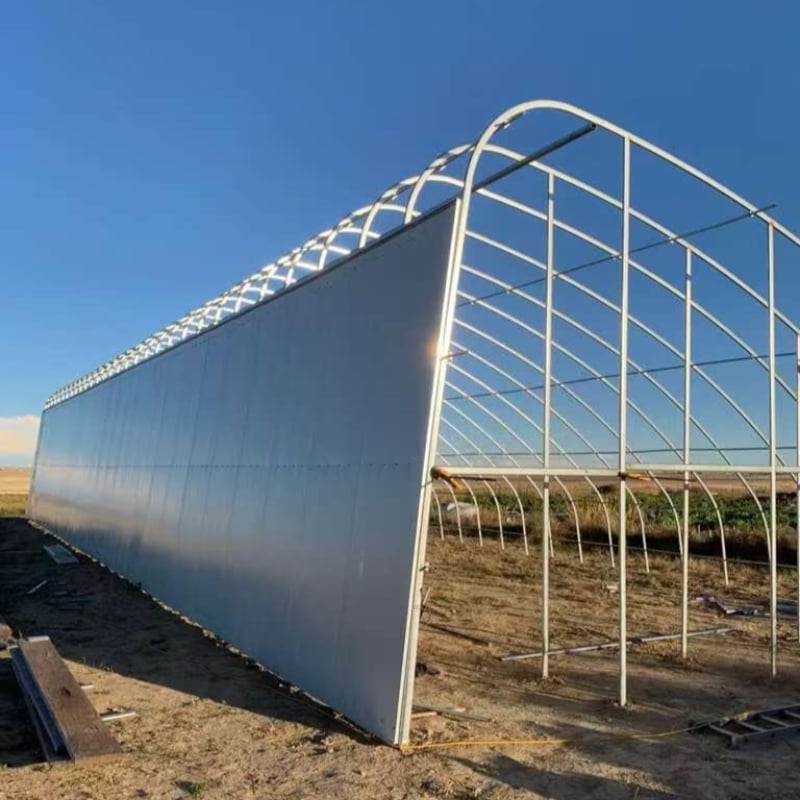
A greenhouse structure is a climate-controlled building designed to optimize plant growth by managing temperature, humidity, light, and air circulation. Understanding how a greenhouse structure functions is essential for farmers, horticulturists, and agricultural professionals seeking to maximize crop yields while minimizing environmental risks. A greenhouse structure creates a stable microclimate that protects plants from external weather fluctuations, pests, and diseases, making it a cornerstone of modern agriculture.
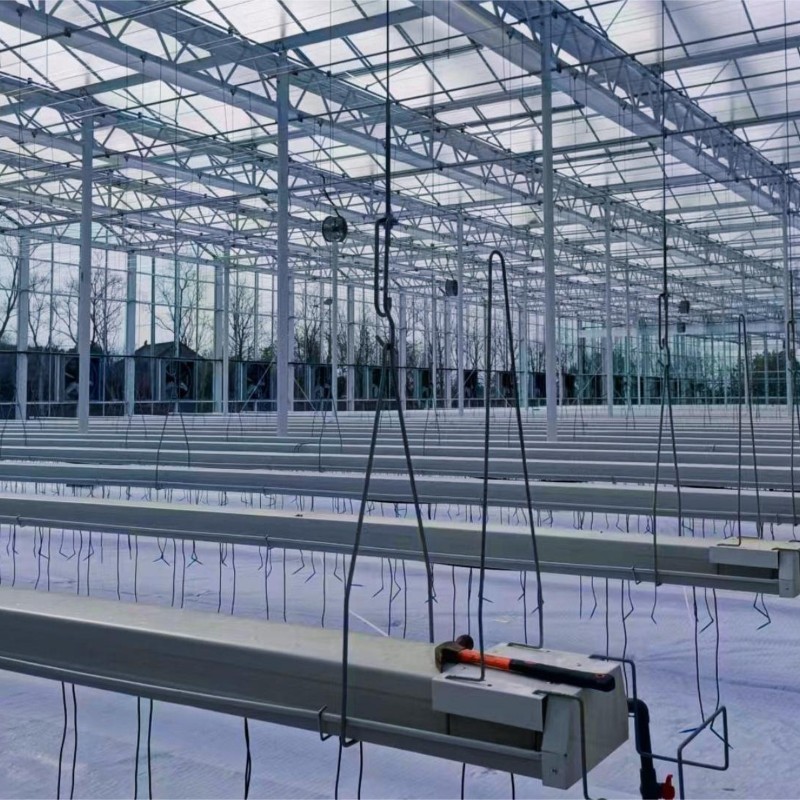
The mechanics of a greenhouse structure involve carefully integrated systems that work together to create optimal growing conditions. From the framework materials to ventilation mechanisms, every component of a greenhouse structure serves a specific purpose in supporting plant health and productivity. Modern greenhouse structure designs incorporate advanced technology alongside proven agricultural principles, enabling growers to cultivate crops year-round regardless of seasonal weather patterns.
Core Components of a Greenhouse Structure
Framework and Covering Materials
The physical foundation of any greenhouse structure consists of the frame and exterior covering. The greenhouse structure frame is typically constructed from steel, aluminum, or wood, each material offering distinct advantages in durability and cost-effectiveness. The covering materials for a greenhouse structure include glass, polycarbonate, or plastic film, with each option providing different levels of light transmission, insulation, and longevity. Glass remains the premium choice for a greenhouse structure because it maximizes light penetration while maintaining excellent thermal properties. Polycarbonate offers superior insulation for a greenhouse structure in colder climates, reducing heating costs while maintaining adequate light diffusion. The choice of covering material directly impacts the overall performance and operational efficiency of any greenhouse structure.
Ventilation and Air Circulation Systems
Proper airflow is critical to the success of any greenhouse structure. Natural ventilation through roof vents and louvers allows hot air to escape during warm periods, preventing temperature buildup inside a greenhouse structure. Mechanical ventilation using exhaust fans ensures consistent air movement throughout a greenhouse structure, reducing humidity levels and preventing fungal diseases. A well-designed greenhouse structure incorporates both passive and active ventilation to maintain optimal air quality. Inadequate ventilation in a greenhouse structure can lead to poor plant development, increased pest pressure, and disease outbreaks. Regular monitoring and adjustment of ventilation in a greenhouse structure is essential for maintaining the precise growing conditions that different crops require.
Environmental Control Systems in Greenhouse Structures
Temperature Management Technology
Temperature control is one of the most important functions within a greenhouse structure. Heating systems for a greenhouse structure can include radiators, heaters, or radiant floor systems to maintain warmth during cold months. Cooling systems within a greenhouse structure range from simple shade cloths to evaporative cooling pads and air conditioning units for intensive operations. Automated climate controllers monitor conditions inside a greenhouse structure and adjust heating and cooling systems accordingly, ensuring plants remain within their optimal temperature range. The thermal mass of a greenhouse structure itself plays a role in temperature stabilization, with materials absorbing heat during the day and releasing it at night. Advanced sensors throughout a greenhouse structure provide real-time data that informs environmental adjustments and helps predict climate patterns before manual intervention becomes necessary.
Humidity and Moisture Control
Maintaining optimal humidity levels inside a greenhouse structure is essential for plant health and disease prevention. A greenhouse structure with poor humidity control frequently experiences excessive moisture that promotes fungal growth and bacterial infections. Irrigation systems integrated into a greenhouse structure deliver water directly to plant roots while misting systems can increase humidity when dry conditions develop. Dehumidification in a greenhouse structure occurs through proper ventilation and strategic use of moisture-absorbing materials. The greenhouse structure design influences how moisture moves through the air, with higher humidity zones developing naturally in areas with limited air circulation. Monitoring humidity levels inside a greenhouse structure helps growers adjust watering schedules and ventilation to maintain the 60-80% range preferred by most commercial crops.
Functional Systems Supporting a Greenhouse Structure
Lighting and Shading Systems
Light availability and intensity directly impact plant growth rates within any greenhouse structure. Supplemental lighting systems in a greenhouse structure extend growing seasons and boost productivity during winter months when natural daylight is limited. Automated shade systems on a greenhouse structure prevent excessive heat and light during peak summer conditions, protecting sensitive crops from photoinhibition. The orientation and design of a greenhouse structure affect how much natural light reaches plants throughout the day. Reflective surfaces inside a greenhouse structure maximize light distribution, while strategic placement of crops ensures all plants receive adequate light exposure. The combination of natural and artificial lighting in a modern greenhouse structure allows growers to fine-tune light recipes for specific crop types and growth stages.
Irrigation and Nutrient Delivery
Automated irrigation systems within a greenhouse structure ensure plants receive consistent water and nutrient availability. Drip irrigation integrated into a greenhouse structure delivers water directly to soil or growing media, reducing waste and preventing foliar diseases. Hydroponic and aeroponic systems represent advanced irrigation methods in commercial greenhouse structure setups, allowing precise nutrient control. Fertigation systems in a greenhouse structure automatically blend water with dissolved nutrients based on crop requirements and growth stage. Proper irrigation management inside a greenhouse structure prevents both waterlogging and drought stress, maintaining optimal soil moisture for root development. Regular monitoring of soil conditions and water quality inside a greenhouse structure helps growers maintain nutrient balance and prevent nutrient deficiencies.
How Greenhouse Structures Optimize Agricultural Production
Environmental Protection and Crop Security
A well-designed greenhouse structure protects crops from external environmental threats including storms, extreme temperatures, and excessive ultraviolet radiation. The enclosed environment of a greenhouse structure creates a barrier against airborne pests and diseases that devastate outdoor crops. Quarantine capabilities of a greenhouse structure allow farmers to isolate and treat infested plants before introducing them to main production areas. The controlled conditions within a greenhouse structure dramatically reduce crop loss from weather-related events and pest infestations. Climate stability inside a greenhouse structure leads to more predictable harvests and reliable crop quality. Growers benefit from the consistent growing environment that a greenhouse structure provides, enabling them to plan production schedules with greater certainty.
Year-Round Production and Market Advantage
A greenhouse structure enables off-season crop production, allowing farmers to supply markets during months when outdoor growing is impossible. This year-round capability of a greenhouse structure generates premium prices during low-supply seasons. Extended production windows from a greenhouse structure improve cash flow and reduce dependency on seasonal market fluctuations. The reliability of a greenhouse structure encourages commercial contracts with retailers and food service operations seeking consistent supply. Growers using a greenhouse structure can experiment with alternative crops and varieties, diversifying revenue sources. The competitive advantage gained from a greenhouse structure often justifies the initial infrastructure investment within 3-5 years of operation.
FAQ
What is the primary purpose of a greenhouse structure?
The primary purpose of a greenhouse structure is to create a controlled environment that optimizes growing conditions for plants while protecting them from external environmental threats. A greenhouse structure manages temperature, humidity, light, and air circulation to maximize plant growth and productivity. By maintaining ideal growing conditions, a greenhouse structure increases crop yields and extends production seasons beyond natural growing periods.
How does a greenhouse structure control temperature and humidity?
A greenhouse structure controls temperature through heating systems during cold periods and ventilation or cooling systems during warm periods. Automated sensors throughout a greenhouse structure monitor conditions and trigger adjustments to maintain optimal ranges. Humidity control in a greenhouse structure occurs through irrigation systems, misting equipment, and ventilation that manages moisture levels inside the enclosed space.
Can a greenhouse structure work without automated climate control systems?
Yes, a greenhouse structure can operate with manual climate management, though productivity and consistency suffer significantly compared to automated systems. Passive greenhouse structure designs use natural ventilation and thermal mass to maintain reasonable conditions with minimal intervention. However, most commercial operations use automated climate control in their greenhouse structure to ensure optimal conditions, maximize efficiency, and reduce labor requirements.