 EN
EN



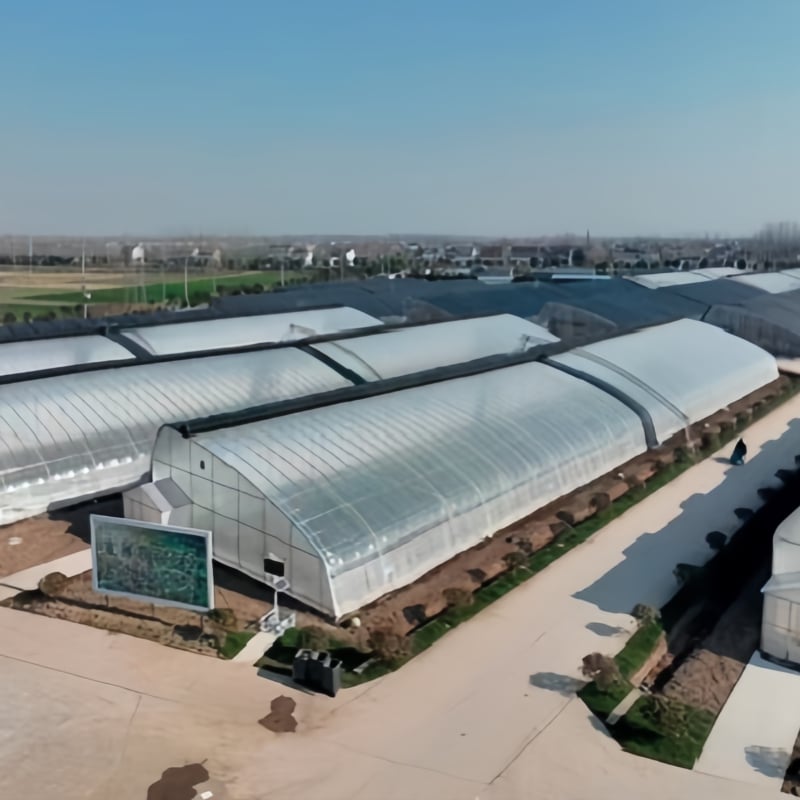
Choosing between a glass greenhouse and a plastic alternative is one of the most consequential decisions a grower or facility manager can make. A glass greenhouse offers a distinct combination of light clarity, structural permanence, and thermal stability that plastic films and polycarbonate panels simply cannot replicate in the same way. Understanding these differences in practical, operational terms helps buyers make informed investments rather than reactive purchases.
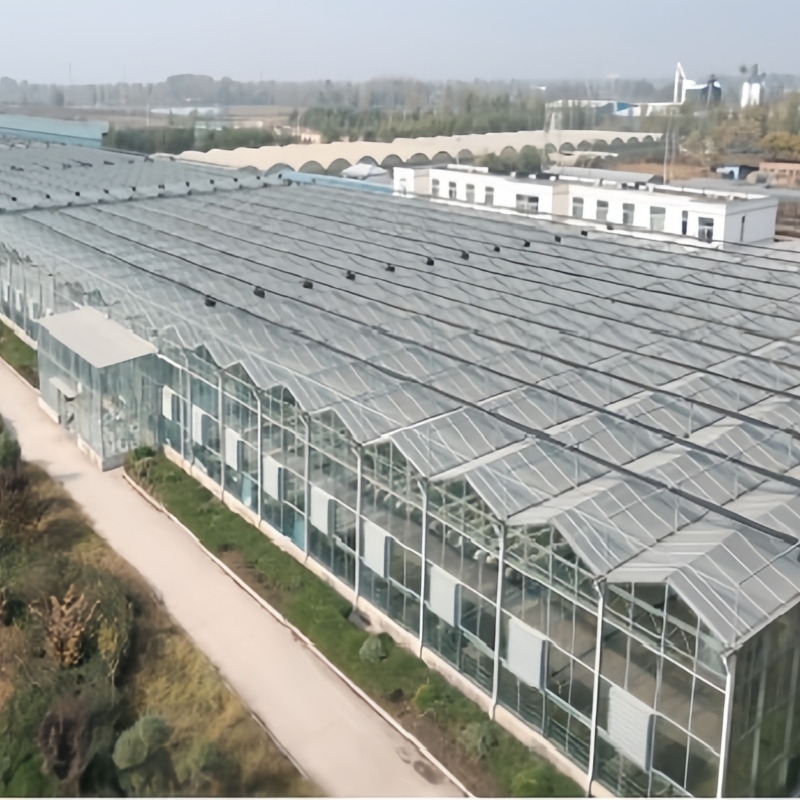
A glass greenhouse is not simply a traditional aesthetic choice. It is a technically superior growing environment for operations that prioritize light quality, long service life, and professional appearance. Plastic alternatives, including polyethylene film tunnels and twin-wall polycarbonate panels, each bring their own trade-offs. This article examines how a glass greenhouse compares across the dimensions that matter most to serious growers.
Light Transmission and Crop Performance
How a Glass Greenhouse Delivers Superior Light Quality
The most immediate advantage of a glass greenhouse is its light transmission performance. High-quality horticultural glass transmits approximately 90% of available sunlight, delivering full-spectrum light directly to crops without the diffusion or yellowing that plastic glazing develops over time. In a glass greenhouse, plants receive consistent, high-intensity light throughout the year, which directly supports faster growth cycles and better yields. Plastic films, by contrast, degrade under UV exposure and can lose meaningful transmission efficiency within two to four years.
A glass greenhouse also preserves spectral integrity. The wavelengths of light that drive photosynthesis pass through glass with minimal alteration, whereas some plastic panels filter or scatter specific bands. For light-sensitive crops such as tomatoes, cucumbers, and ornamental flowers, operating inside a glass greenhouse rather than a plastic structure can produce measurable improvements in quality and marketability. Growers who have transitioned from plastic to a glass greenhouse frequently report stronger stem development and more vibrant coloration in their produce.
Long-Term Light Consistency
One of the most underappreciated advantages of a glass greenhouse is that its light performance does not degrade. Glass does not yellow, crack, or cloud under prolonged UV exposure the way plastic panels inevitably do. A glass greenhouse installed today will transmit essentially the same quality of light in twenty years as it does in its first season. Plastic alternatives require periodic replacement of glazing material, which introduces downtime, labor costs, and inconsistent growing conditions during transitions. For operations running year-round, the reliability of a glass greenhouse becomes a production planning advantage.
Structural Durability and Operational Lifespan
Why a Glass Greenhouse Outperforms Plastic in Longevity
A glass greenhouse is built to last decades. The combination of a robust aluminum or galvanized steel frame with tempered or toughened glass panels creates a structure that withstands heavy snow loads, wind pressure, and hail impact at levels that plastic film tunnels cannot match. Tempered glass used in a glass greenhouse is engineered to resist breakage, and when breakage does occur, individual panes can be replaced without dismantling the entire structure. Plastic film greenhouses, in contrast, require full covering replacements every three to five years under typical operating conditions.
The frame system supporting a glass greenhouse is also designed for permanence. Because glass is heavier than plastic glazing, the frame of a glass greenhouse is inherently more robust, which provides better resistance to deformation under environmental stress. This structural integrity makes a glass greenhouse suitable for integration with automated systems such as gutter-connected heating, mechanical ventilation, and shade screening, all of which require a stable mounting environment. Plastic tunnel structures often lack the rigidity to support these systems at scale.
Maintenance Considerations for a Glass Greenhouse
Maintaining a glass greenhouse involves periodic cleaning of glass surfaces to remove algae, mineral deposits, and debris that can reduce light transmission. This is a straightforward task that does not require specialized materials. Plastic glazing maintenance is more complex because scratched or weathered plastic surfaces cannot be fully restored to their original clarity. In a glass greenhouse, any pane that becomes damaged is simply replaced with a standard unit. Over a twenty-year operating horizon, the total maintenance cost of a glass greenhouse is typically lower than the cumulative replacement and labor cost associated with plastic alternatives.
Climate Control and Energy Efficiency
Thermal Performance Inside a Glass Greenhouse
A glass greenhouse provides excellent thermal mass retention. Glass absorbs and radiates heat more effectively than thin plastic film, helping to moderate temperature swings between day and night. In temperate climates, a glass greenhouse can retain warmth absorbed during daylight hours into the evening, reducing the heating energy required to maintain minimum crop temperatures. This thermal buffering effect is a meaningful operational advantage for growers managing energy costs. Single-skin plastic film offers very limited insulation, making heating costs in plastic tunnels substantially higher during cold periods.
For operations in warmer climates, a glass greenhouse can be equipped with ridge ventilation, side wall venting, and shade systems to manage heat buildup effectively. The rigid structure of a glass greenhouse allows permanent ventilation hardware to be installed at precise positions, giving operators consistent and reliable control over internal climate conditions. Plastic film tunnels rely on manual roll-up sides or basic ridge openings, which offer coarser climate management compared to what a well-configured glass greenhouse can achieve.
Energy and Cost Planning for a Glass Greenhouse
The initial capital cost of a glass greenhouse is higher than a plastic alternative of equivalent footprint. However, the total cost of ownership over a ten to twenty-year period favors the glass greenhouse when glazing replacement, labor, and production losses from inferior light and climate control are factored in. A glass greenhouse is an investment in production infrastructure, not simply a covering. Buyers who evaluate a glass greenhouse on initial cost alone often underestimate the compounding value of consistent performance year after year.
FAQ
Is a glass greenhouse suitable for small-scale growers?
Yes, a glass greenhouse is available in a range of sizes to suit small commercial operations and serious hobby growers alike. The benefits of a glass greenhouse, including superior light transmission and long service life, apply regardless of scale. Smaller glass greenhouse configurations allow growers to start with a modest footprint and expand the structure as production demands increase.
How does a glass greenhouse perform in regions with heavy snowfall?
A glass greenhouse designed for cold climates uses tempered or safety glass rated for significant snow load, combined with a reinforced frame engineered to meet local structural standards. The pitch of the roof on a glass greenhouse is typically designed to facilitate snow shedding. Buyers should confirm that the glass greenhouse specification includes load ratings appropriate for their regional climate conditions.
Can a glass greenhouse be automated for year-round production?
A glass greenhouse is highly compatible with automation systems including climate controllers, irrigation networks, supplemental lighting, and shade screens. The rigid and permanent structure of a glass greenhouse provides reliable mounting points for sensors and actuators. Many commercial growers choose a glass greenhouse precisely because it supports the level of automation needed for consistent year-round crop production at a professional standard.