การออกแบบโครงสร้างขั้นสูงเพื่อพื้นที่ปลูกสูงสุด
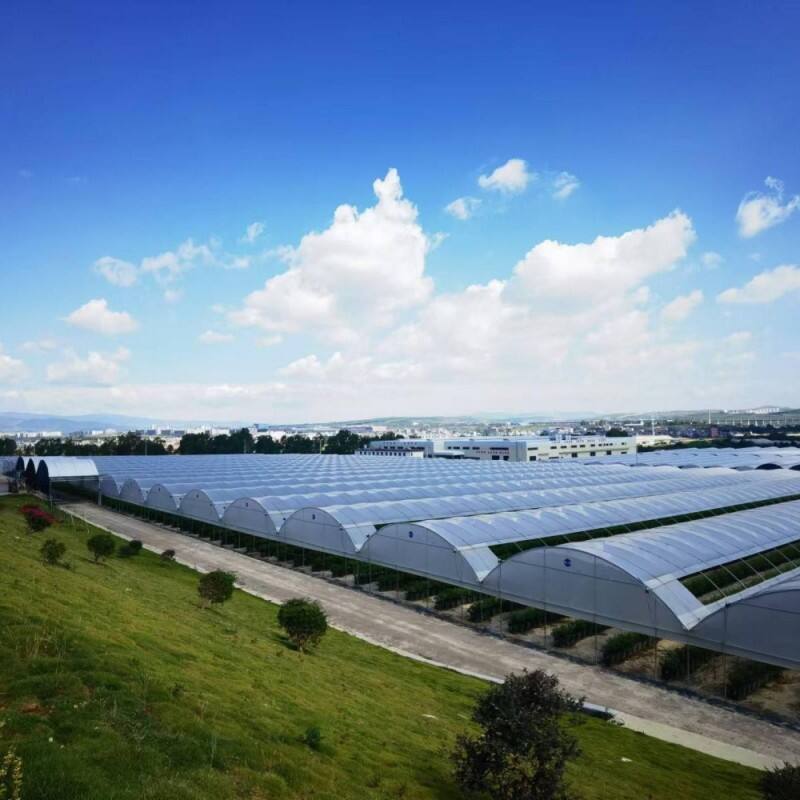
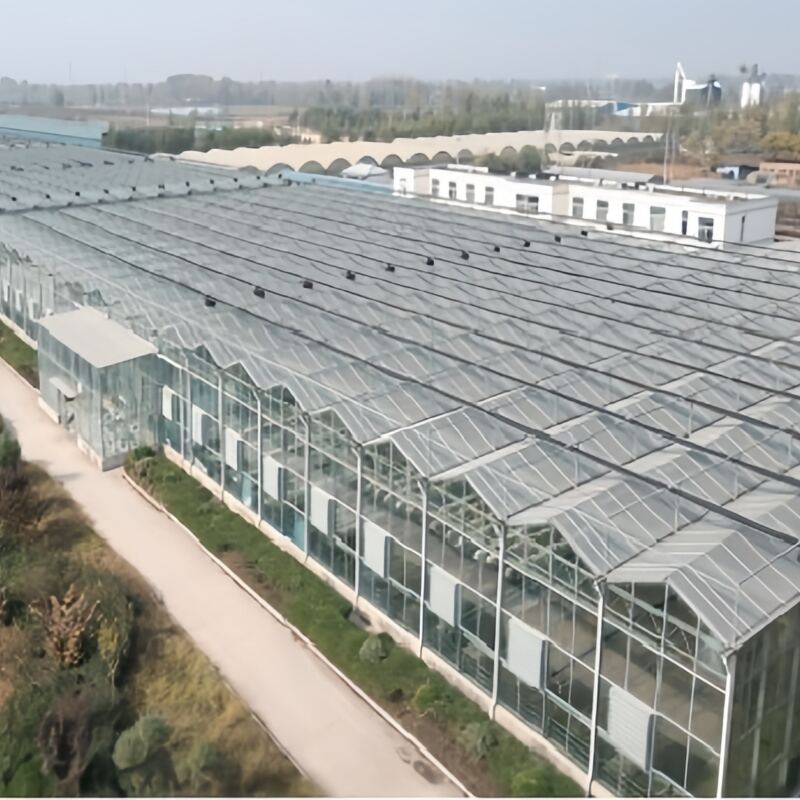
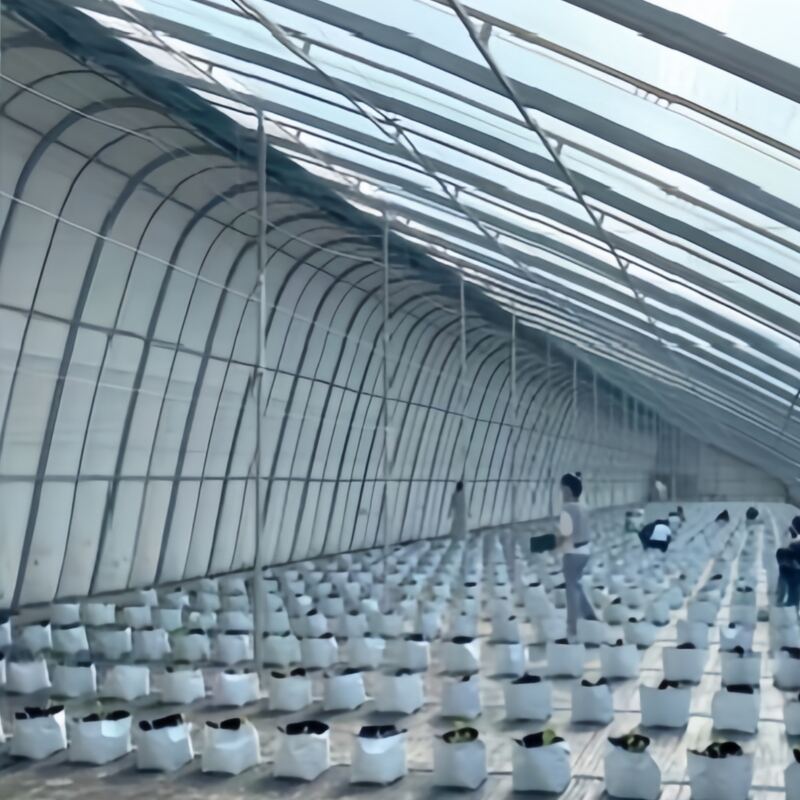
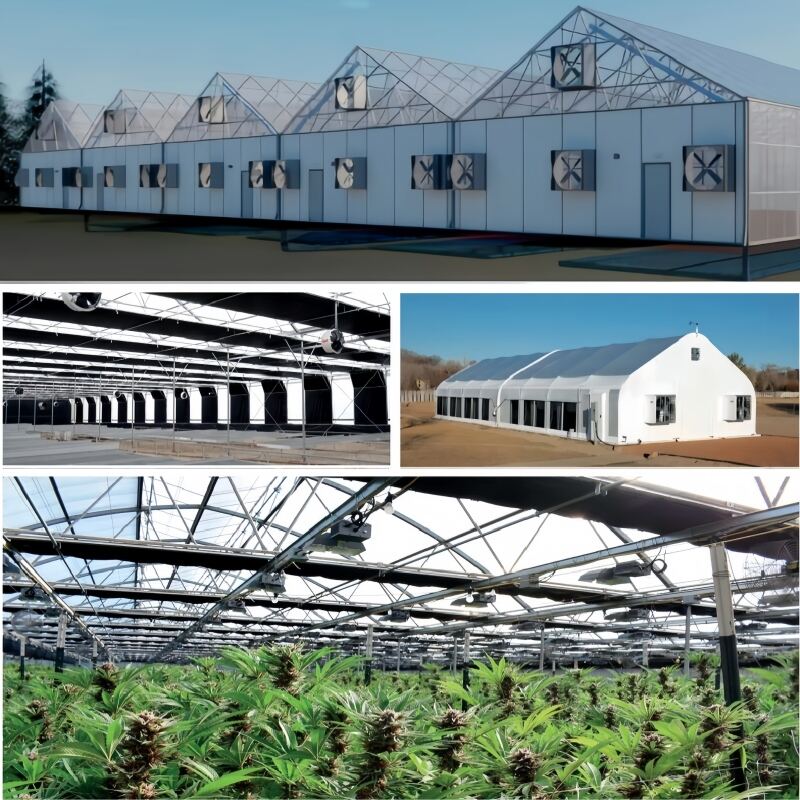
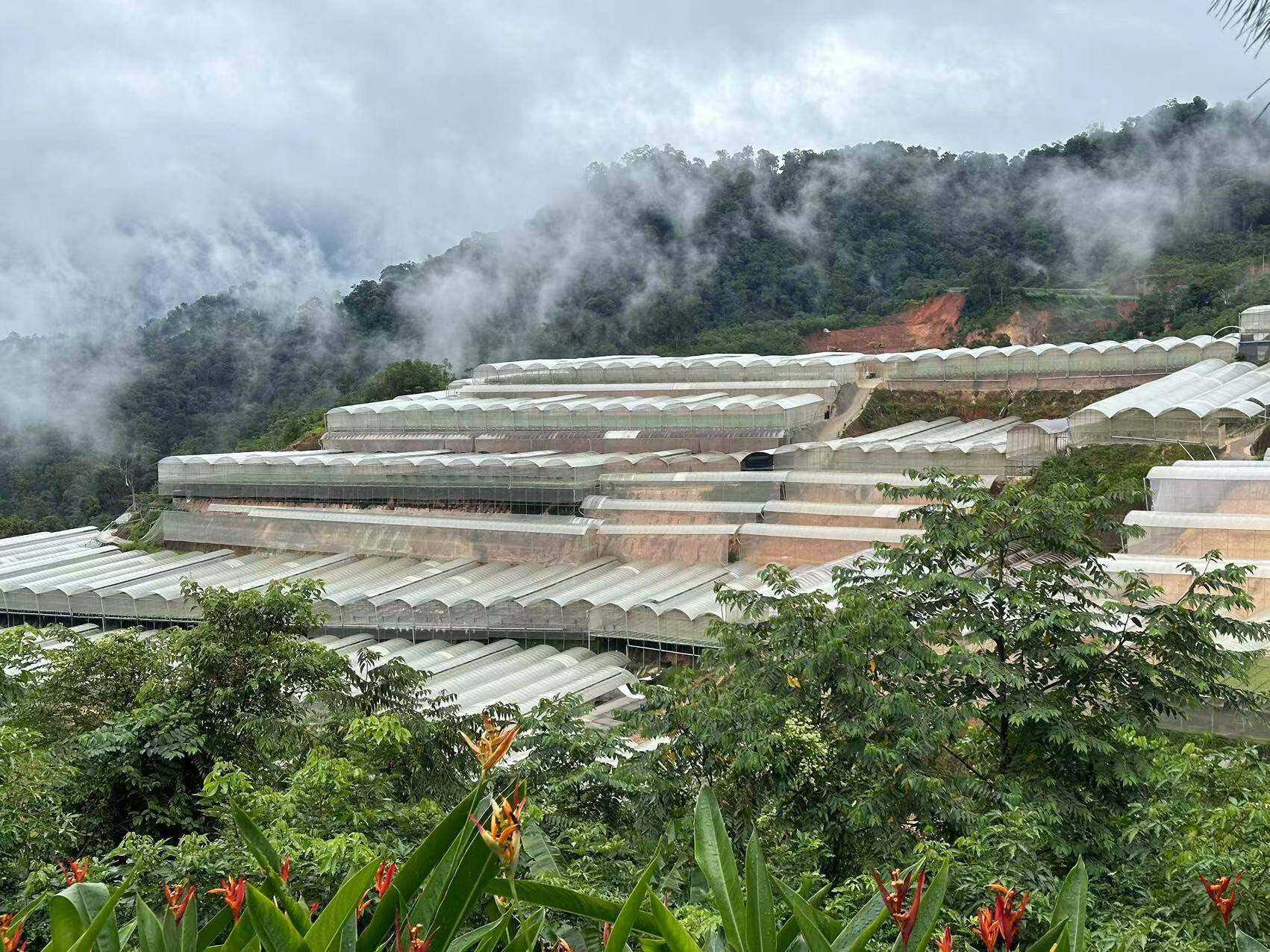
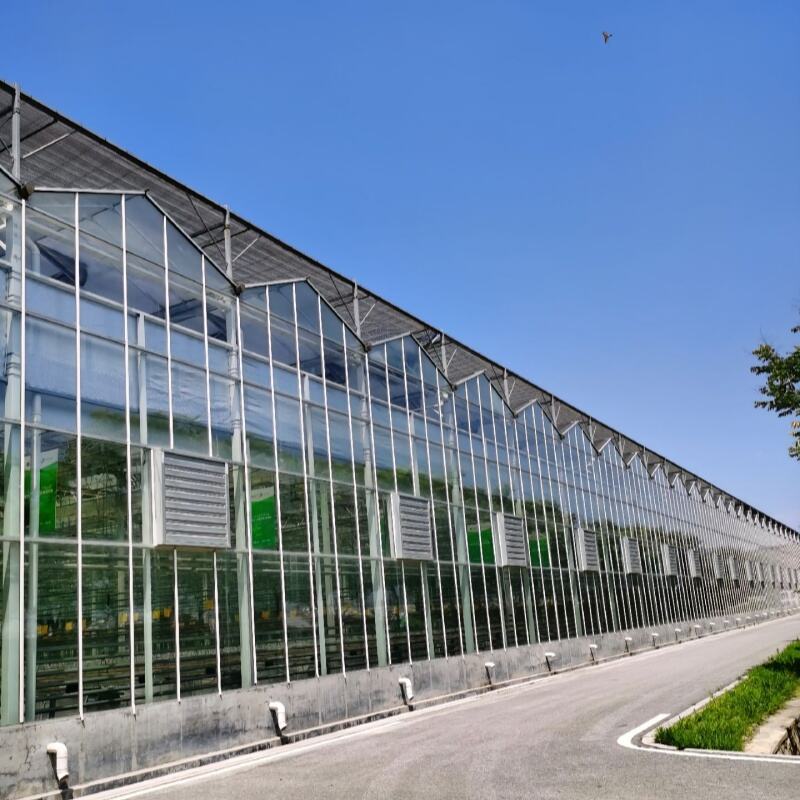
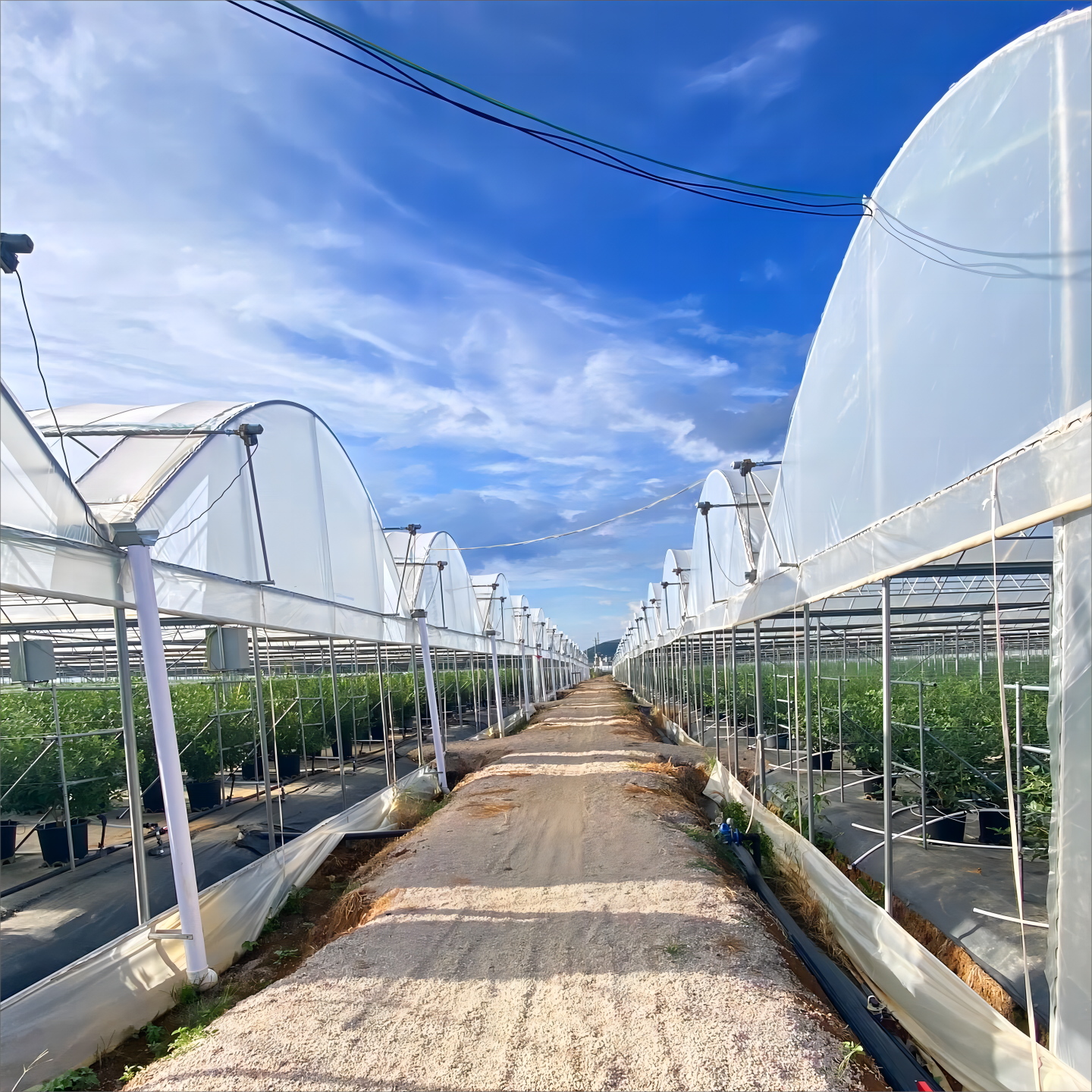
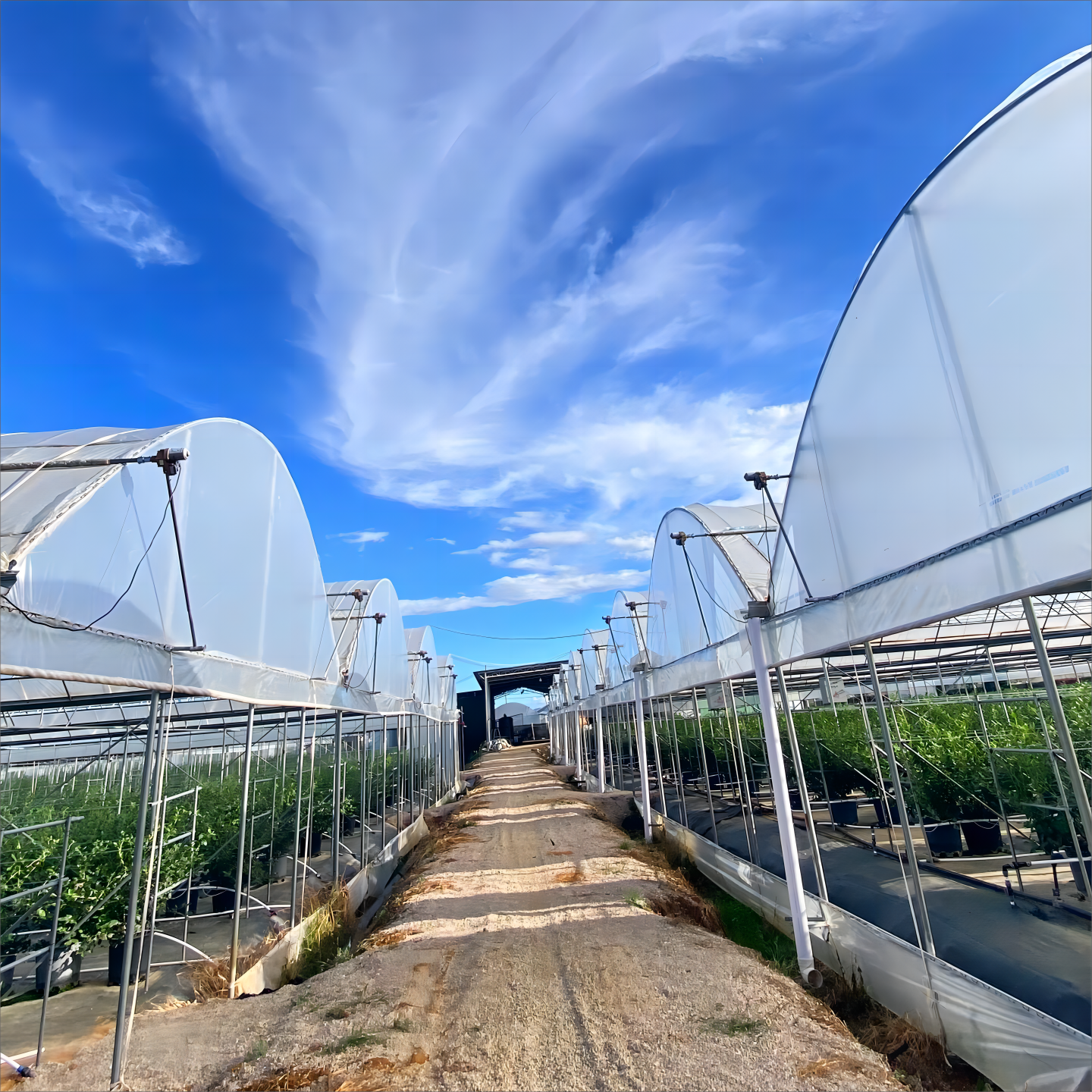
รูปแบบอุโมงค์สูงแบบโกธิคโดดเด่นด้วยแนวทางทางสถาปัตยกรรมที่ทันสมัย ซึ่งให้ความสำคัญทั้งในด้านการใช้งานจริงและความมีประสิทธิภาพสำหรับการเกษตร โครงสร้างโค้งแหลมช่วยขจัดความจำเป็นในการใช้เสาภายในที่มักกีดขวางการเคลื่อนที่และจำกัดการเข้าถึงอุปกรณ์ในโครงสร้างอุโมงค์แบบดั้งเดิม ทำให้เกิดพื้นที่ปลูกแบบไม่มีสิ่งกีดขวาง (clear-span) ซึ่งเพิ่มพื้นที่ใช้สอยสูงสุดและมอบความยืดหยุ่นอย่างเต็มที่แก่เกษตรกรในการจัดผังพืชผลและการบริหารจัดการ รูปทรงเชิงโครงสร้างของโค้งแบบโกธิคสามารถกระจายแรงได้อย่างมีประสิทธิภาพมากกว่าการออกแบบแบบโค้งกลมหรือผนังตรงแบบดั้งเดิม จึงสามารถรองรับน้ำหนักได้มากขึ้นโดยใช้วัสดุน้อยลง ประสิทธิภาพเชิงวิศวกรรมนี้ส่งผลให้ลดต้นทุนในการก่อสร้างและเพิ่มความทนทานในระยะยาวภายใต้สภาพแวดล้อมที่ท้าทาย ความสูงบริเวณจุดยอดกลางที่มักสูงเกิน 12 ฟุต รองรับพันธุ์พืชขนาดใหญ่ เช่น มะเขือเทศแบบไม่จำกัดการเจริญเติบโต (indeterminate tomatoes), ถั่วชนิดเลื้อยขึ้น, และพืชที่ปลูกบนโครงสร้างค้ำยัน (trellised crops) ซึ่งต้องการพื้นที่แนวตั้งสำหรับการเจริญเติบโต ความสามารถในการใช้พื้นที่แนวตั้งนี้ช่วยเพิ่มผลผลิตต่อตารางฟุต และเปิดโอกาสให้เกษตรกรขยายความหลากหลายของพืชผลที่ปลูก นอกเหนือจากพันธุ์ที่เติบโตต่ำ อุโมงค์สูงแบบโกธิคมีความกว้างของช่วง (span) ที่กว้างมาก โดยอยู่ระหว่าง 12 ถึง 30 ฟุต หรือมากกว่านั้น จึงมีพื้นที่เพียงพอสำหรับปฏิบัติการเชิงกล เช่น การใช้รถแทรกเตอร์ เครื่องไถพรวน และเครื่องเก็บเกี่ยว ความสะดวกในการเข้าถึงนี้ช่วยลดต้นทุนแรงงานและเพิ่มประสิทธิภาพการดำเนินงาน เมื่อเทียบกับโครงสร้างแคบซึ่งต้องอาศัยแรงงานคนในการปฏิบัติงานทั้งหมด รูปแบบโครงสร้างยังส่งเสริมการไหลหลุดของหิมะและน้ำฝนตามธรรมชาติ ป้องกันการสะสมของหิมะหรือน้ำที่อาจกระทบต่อความสมบูรณ์ของวัสดุคลุมหรือลดการส่องผ่านของแสง องศาที่ชันของโค้งแบบโกธิคสร้างพื้นผิวที่สามารถทำความสะอาดสิ่งสกปรกได้เองตามธรรมชาติ ลดความจำเป็นในการบำรุงรักษา และรับประกันประสิทธิภาพที่สม่ำเสมอตลอดทั้งปี การติดตั้งอุโมงค์สูงแบบโกธิคได้ประโยชน์จากความเรียบง่ายของโครงสร้างและวิธีการก่อสร้างแบบโมดูลาร์ ซึ่งช่วยให้เกษตรกรสามารถประกอบอาคารเหล่านี้ได้ด้วยเครื่องมือพื้นฐานและทีมงานขนาดเล็ก ชิ้นส่วนที่ออกแบบไว้ล่วงหน้า (pre-engineered components) สามารถต่อกันได้อย่างเป็นระบบ ลดระยะเวลาการก่อสร้างและลดความเสี่ยงจากข้อผิดพลาดในการติดตั้งที่อาจส่งผลต่อประสิทธิภาพเชิงโครงสร้าง
 ×
×
 EN
EN