different types of greenhouses
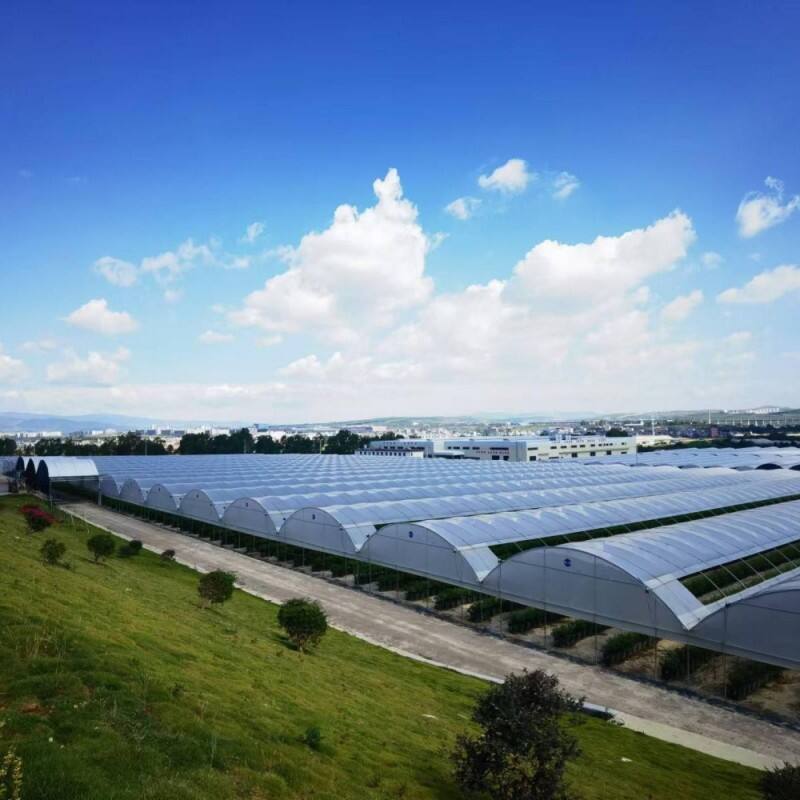
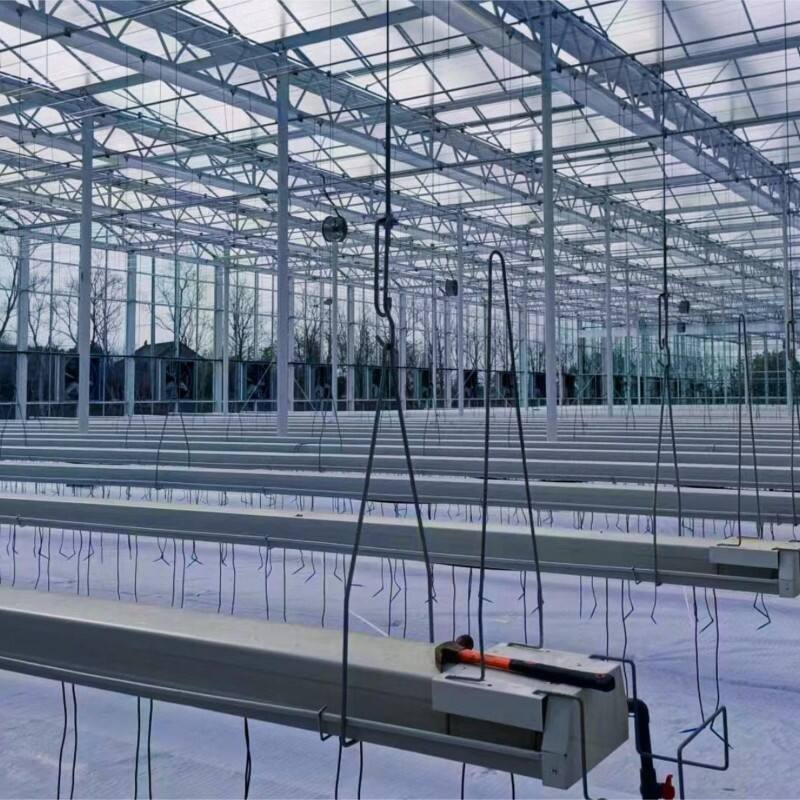
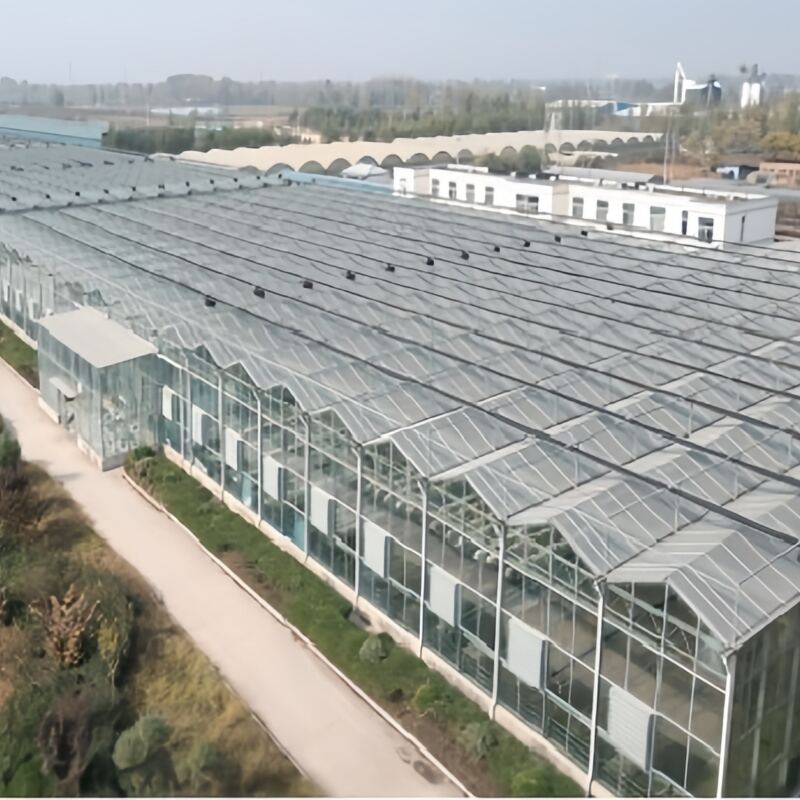
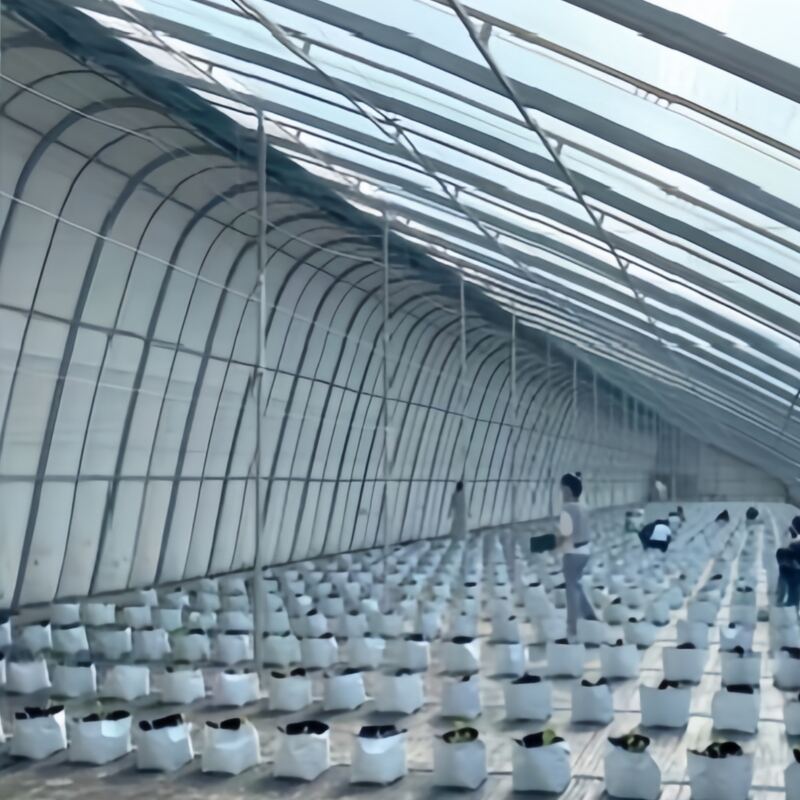
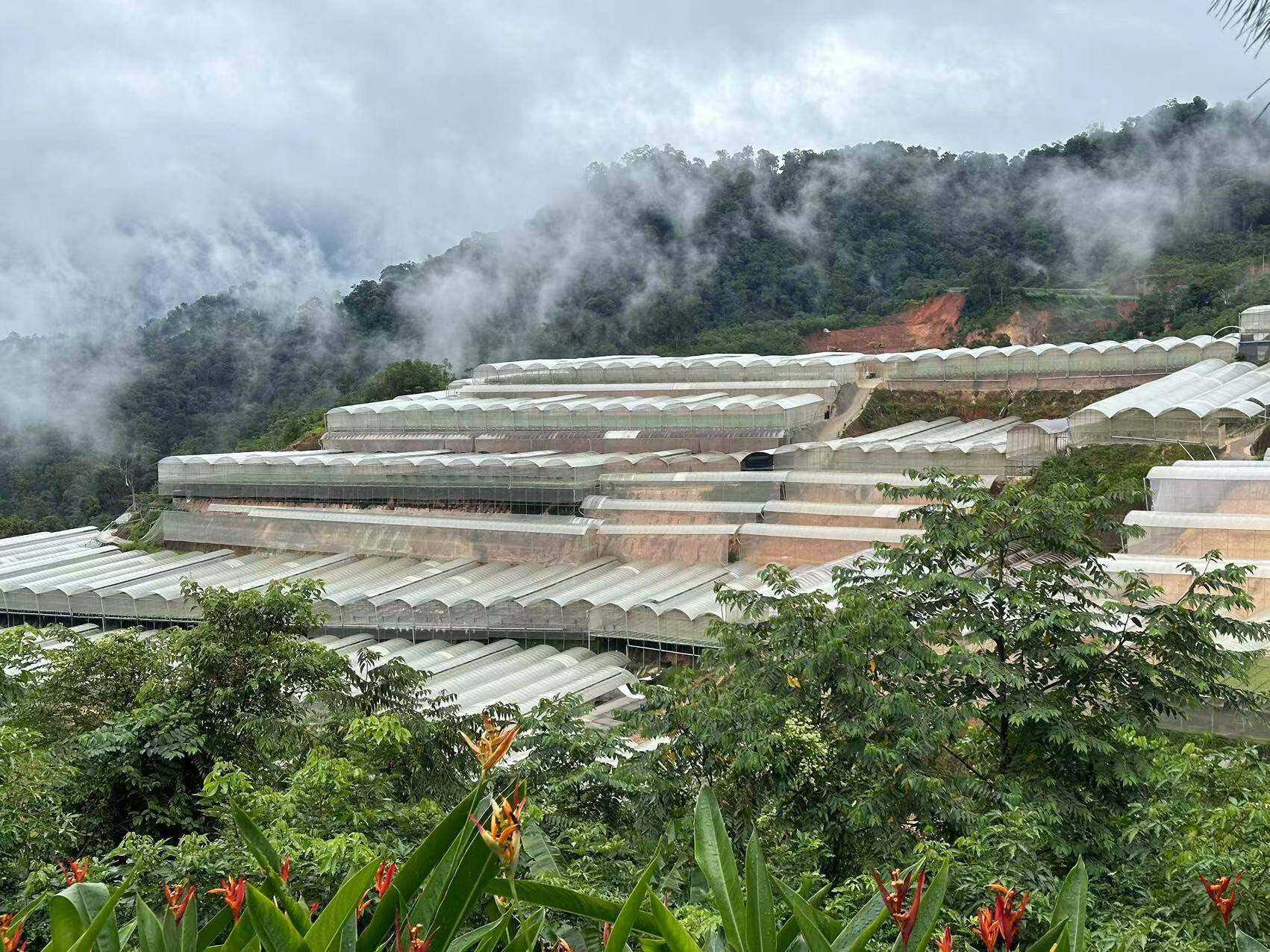
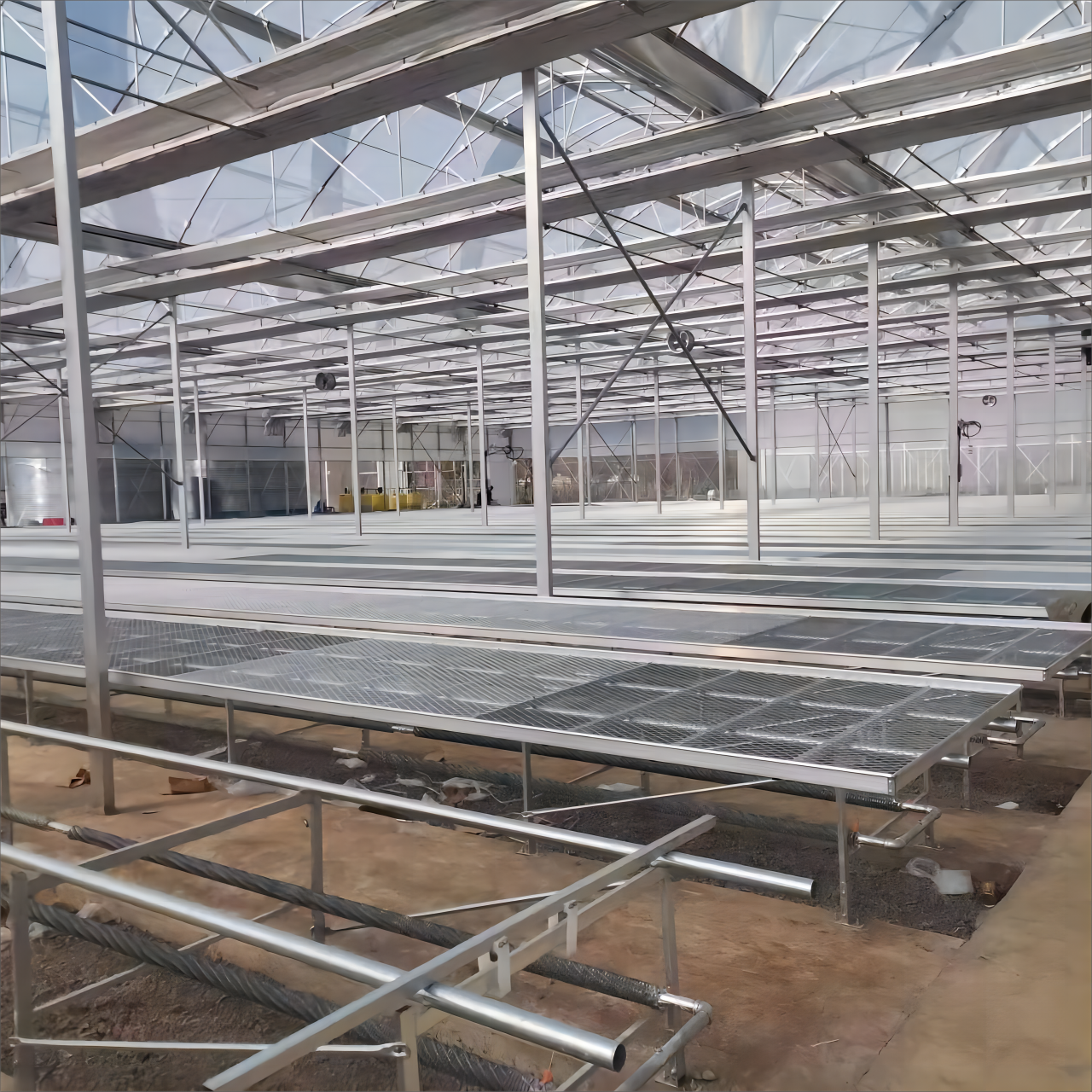
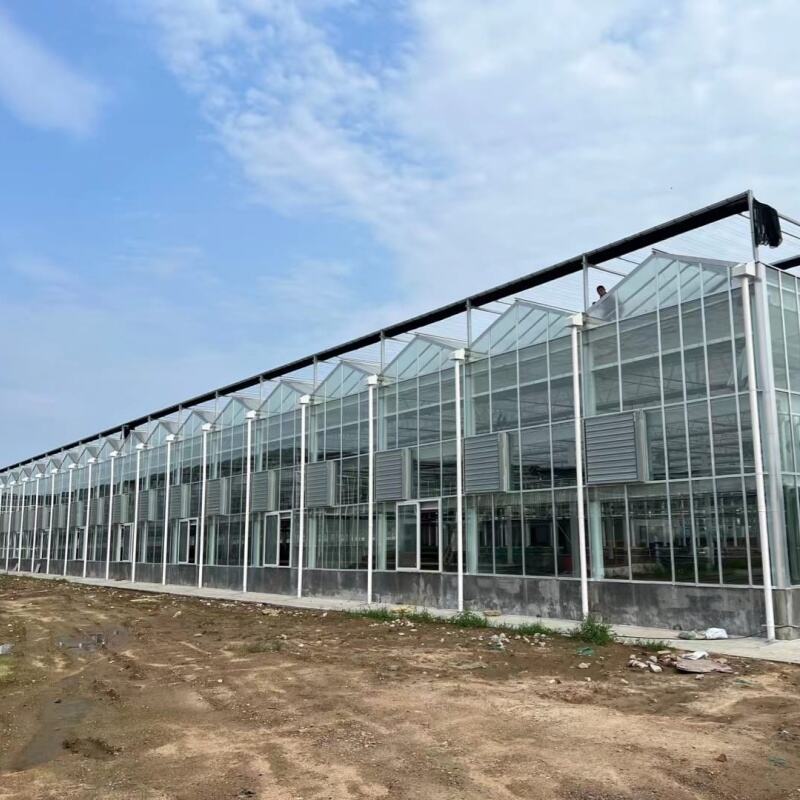
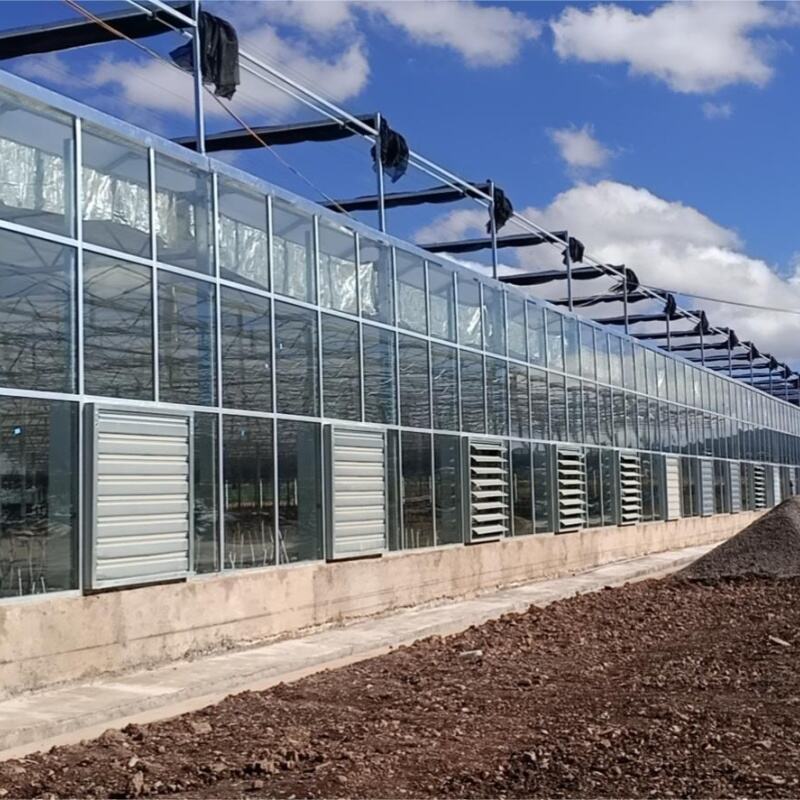
Understanding the different types of greenhouses is essential for anyone interested in controlled environment agriculture. These specialized structures enable year-round cultivation by creating optimal growing conditions for plants. The different types of greenhouses vary significantly in design, materials, and functionality, each serving specific agricultural needs and budgets. Glass greenhouses represent the traditional approach, utilizing transparent glass panels that provide excellent light transmission and durability. These structures offer superior insulation properties and maintain stable internal temperatures, making them ideal for commercial operations requiring precise environmental control. Polycarbonate greenhouses feature twin-wall or multi-wall polycarbonate panels that deliver excellent insulation while remaining lightweight and impact-resistant. The cellular structure of polycarbonate provides superior heat retention compared to single-layer materials, reducing heating costs significantly. Polyethylene film greenhouses utilize single or double-layer plastic films stretched over structural frames, offering the most cost-effective solution for large-scale operations. These different types of greenhouses incorporate various ventilation systems, including natural ventilation through roof vents and side louvers, or forced ventilation using exhaust fans and cooling pads. Climate control technologies range from basic thermostats to sophisticated computer-controlled systems that monitor temperature, humidity, light levels, and CO2 concentrations. Hydroponic and aquaponic systems are commonly integrated into modern greenhouse designs, allowing precise nutrient delivery and water management. Automated irrigation systems, including drip irrigation and misting systems, ensure consistent moisture levels while conserving water resources. The different types of greenhouses serve diverse applications, from small hobby structures for home gardeners to massive commercial facilities producing vegetables, flowers, and seedlings. Research institutions utilize specialized greenhouse designs for plant breeding and agricultural experiments, while nurseries focus on propagation and plant production for retail markets.
 EN
EN