 EN
EN



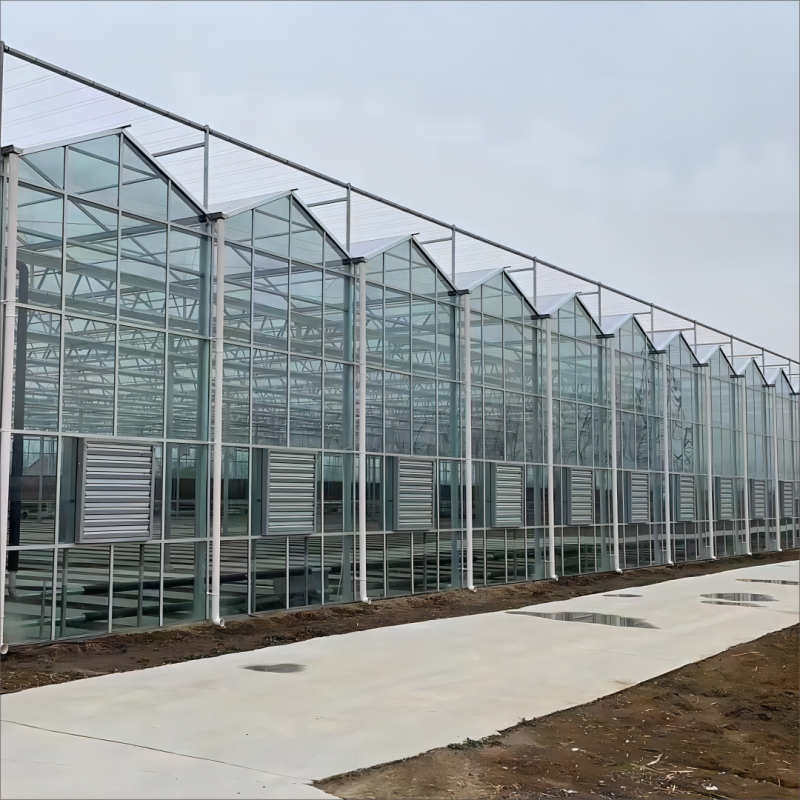
For small farm operators considering protected cultivation, one of the most practical and pressing questions is what size strawberry greenhouse actually makes sense for their operation. The answer is not a single number — it depends on your land availability, production goals, labor capacity, and budget. But there is a clear logic to follow, and understanding it early can save you from costly over-investment or, just as damaging, an undersized structure that limits your yields and return on investment. A well-sized strawberry greenhouse is the foundation of a productive and financially sustainable small farm growing system.
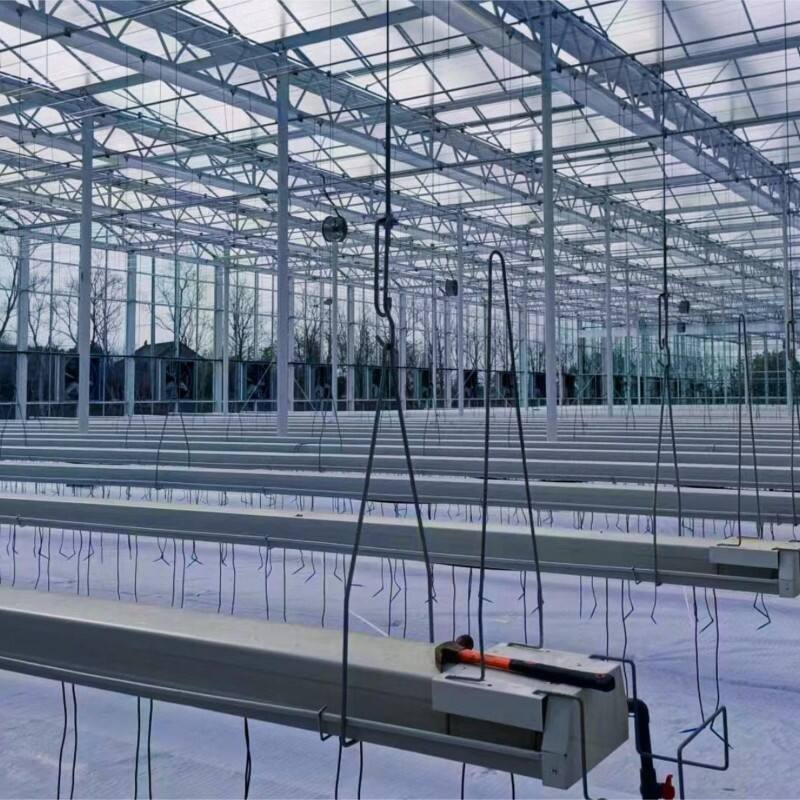
Small farms operate under tighter margins than large commercial operations, which means every square meter of a strawberry greenhouse must be justified. Sizing decisions affect heating costs, irrigation system design, labor routing, and the complexity of your climate control setup. This article walks through the key factors that determine the right greenhouse size for small-scale strawberry production, helping you make a confident, data-informed decision before you break ground or place an order.
Understanding the Scale of Small Farm Strawberry Production
Defining Small Farm Output Expectations
Before you can determine the right size for a strawberry greenhouse, you need to define what your farm is trying to produce. Small farms typically target local markets, farm stands, community-supported agriculture programs, or small wholesale accounts. These channels usually require consistent but moderate volumes — not the tonnage of a large commercial operation. A realistic output target for a small farm might range from a few hundred kilograms per season to a couple of tonnes, depending on variety selection and growing method.
Strawberry plants grown in a controlled greenhouse environment can yield significantly more per square meter than open-field cultivation. Depending on the growing system — whether soil beds, raised benches, or vertical tiered systems — yields per square meter can range from 4 to 10 kilograms per growing cycle. This means a small farm with a 200 to 500 square meter strawberry greenhouse can realistically produce enough to serve a meaningful local market without overextending its labor or management capacity.
Setting a clear production target before sizing your structure prevents the common mistake of building too large too soon. A strawberry greenhouse that exceeds your current management capacity leads to underutilized space, wasted heating energy, and inconsistent crop quality. Start with a size that matches your current team and scale up as your systems and skills mature.
How Growing Method Affects Space Requirements
The growing method you choose has a direct impact on how much floor space your strawberry greenhouse needs. Traditional soil-bed growing requires the most horizontal space because plants are spaced at ground level with walking rows between them. This method is familiar and low-cost to set up, but it uses greenhouse area less efficiently than elevated systems.
Raised bench or tabletop systems allow workers to tend plants without bending, improving labor efficiency and reducing crop disease pressure from soil contact. These systems use roughly the same floor area as soil beds but offer better airflow and easier pest management. For a small farm strawberry greenhouse, raised benches are often the most practical balance between cost and productivity.
Vertical or tiered growing systems can dramatically increase the number of plants per square meter of floor space, effectively multiplying your production capacity without expanding the greenhouse footprint. However, these systems require more sophisticated irrigation and lighting infrastructure, which increases upfront cost. For small farms just entering greenhouse strawberry production, vertical systems may be a future upgrade rather than a starting point.
Recommended Size Ranges for Small Farm Strawberry Greenhouses
Entry-Level Sizing: 100 to 200 Square Meters
A strawberry greenhouse in the 100 to 200 square meter range is a practical starting point for small farms with limited capital or those testing greenhouse production for the first time. At this scale, a single operator or a small family team can manage the crop without hiring additional labor. The structure is small enough to heat efficiently and simple enough to manage with basic climate control equipment.
At 150 square meters with a raised bench system, a small farm can maintain roughly 1,500 to 2,000 plants, depending on spacing. This can yield between 600 and 1,500 kilograms per season — enough to supply a farm stand, a few restaurant accounts, or a small CSA program. The strawberry greenhouse at this size is also easier to finance and faster to recoup through sales revenue.
The main limitation of this size range is that it leaves little room for crop rotation, dedicated propagation space, or buffer zones for disease management. If your market grows faster than expected, you may find yourself constrained within the first two seasons. Planning for a modular expansion from the start — using a greenhouse design that allows bay additions — is a smart way to protect your initial investment.
Mid-Range Sizing: 300 to 600 Square Meters
For small farms with an established market presence or a clear sales plan, a strawberry greenhouse in the 300 to 600 square meter range offers a more commercially viable production base. This size supports a two-person team comfortably and allows for dedicated zones — one for fruiting plants, one for runners or propagation, and one for post-harvest handling or storage staging.
At 400 square meters, a well-managed strawberry greenhouse can support 4,000 or more plants and produce between 1,500 and 3,500 kilograms per season depending on variety and system. This volume is sufficient to supply multiple wholesale accounts, a farmers market presence, and direct-to-consumer channels simultaneously. The revenue potential at this scale begins to justify investment in more advanced climate control, automated irrigation, and shading systems.
This size range also allows for staggered planting schedules, which extend the harvest window and smooth out labor peaks. A strawberry greenhouse of 400 to 600 square meters gives a small farm the flexibility to manage multiple planting cohorts, reducing the risk of a single weather event or disease outbreak wiping out the entire crop at once.
Key Factors That Influence the Right Size Decision
Climate Zone and Heating Load
The climate of your region plays a significant role in determining the practical upper limit of your strawberry greenhouse size. In colder climates, heating costs scale directly with greenhouse volume. A larger structure requires more energy to maintain the 15 to 22 degrees Celsius range that strawberries prefer during fruiting. Small farms in northern or high-altitude regions often find that a smaller, well-insulated strawberry greenhouse is more cost-effective than a larger structure with higher heating bills.
In milder climates, the heating burden is lower, and the primary concern shifts to ventilation and shading during warm months. A strawberry greenhouse in a temperate zone can be sized more generously without proportionally increasing operating costs. Understanding your local climate data — including average winter lows, frost days, and summer peak temperatures — is essential before finalizing your greenhouse dimensions.
Modern strawberry greenhouse designs incorporate double-layer covering materials, thermal screens, and energy-efficient heating systems that reduce the cost penalty of larger structures. If your production plan calls for year-round growing, investing in better insulation and climate control technology often makes more financial sense than limiting your greenhouse size to reduce heating costs.
Water and Irrigation System Capacity
Irrigation infrastructure is another practical constraint on strawberry greenhouse sizing for small farms. Strawberries are sensitive to both overwatering and drought stress, and a reliable, well-designed irrigation system is non-negotiable for consistent yields. The size of your greenhouse determines the complexity and cost of the irrigation network you need to install.
A small strawberry greenhouse under 200 square meters can often be managed with a simple drip irrigation system fed by a single header line and a basic timer. As the greenhouse grows beyond 300 square meters, zoned irrigation with pressure-compensating emitters and fertigation capability becomes important for maintaining uniform crop performance across the entire growing area.
Before finalizing your strawberry greenhouse size, assess your water source capacity — well output, municipal supply limits, or rainwater collection volume. A greenhouse that outpaces your water supply during peak summer demand will underperform regardless of how well it is built. Matching greenhouse size to water availability is a practical constraint that many first-time greenhouse growers overlook.
Labor Availability and Management Complexity
Labor is often the binding constraint for small farm greenhouse operations. A strawberry greenhouse requires regular attention — planting, training, pest scouting, harvesting, and post-harvest handling all demand consistent human presence. The right greenhouse size is one that your available labor can manage without cutting corners on crop care.
As a general rule, one full-time worker can manage approximately 200 to 300 square meters of a strawberry greenhouse at peak season, assuming a raised bench or tabletop growing system. If your farm relies on part-time or seasonal labor, sizing your greenhouse to match your reliable labor hours — not your peak capacity — is the more conservative and sustainable approach.
Automation can extend the effective management capacity of a small team. Automated irrigation, climate monitoring systems, and motorized shading or ventilation reduce the daily labor burden and allow a small farm to manage a larger strawberry greenhouse without proportionally increasing headcount. Factoring in the cost of these systems when planning your greenhouse size helps you make a more accurate total investment calculation.
Structural and Design Considerations for Small Farm Greenhouses
Span Width and Bay Configuration
The physical dimensions of a strawberry greenhouse — particularly its span width — affect both usability and cost. Narrow greenhouses under 6 meters wide are easier to ventilate naturally but offer less efficient use of covering material per square meter of growing space. Wider spans of 8 to 12 meters are more material-efficient and allow for more flexible internal layout, but they require more robust structural framing and more deliberate ventilation design.
For small farms, a single-span or two-bay strawberry greenhouse in the 8-meter width range often strikes the best balance. It provides enough interior width to run two or three bench rows with comfortable working aisles, while keeping the structure simple enough for straightforward installation and maintenance. Multi-bay configurations allow for future expansion by adding bays to the existing structure without rebuilding from scratch.
Ridge height also matters for a strawberry greenhouse. A higher ridge improves air circulation and reduces heat buildup in summer, which is important for strawberry quality. A minimum eave height of 3 meters and a ridge height of 4 to 5 meters is generally recommended for small farm strawberry greenhouse designs that aim to operate year-round.
Covering Material and Its Impact on Sizing Decisions
The covering material of a strawberry greenhouse affects light transmission, insulation value, and long-term maintenance costs — all of which influence how large a structure a small farm can practically operate. Polycarbonate panels offer good insulation and diffused light transmission at a moderate cost, making them a popular choice for small farm strawberry greenhouse projects in regions with cold winters.
Glass covering provides superior light transmission and a longer service life, but at a higher upfront cost and with greater structural requirements. For small farms prioritizing long-term performance and premium crop quality, a glass strawberry greenhouse is a worthwhile investment, particularly when the structure is sized to serve as a permanent production asset rather than a temporary trial.
Polyethylene film is the most affordable covering option and is widely used in small farm strawberry greenhouse construction in warmer climates. Its lower insulation value makes it less suitable for cold-climate year-round production, but for seasonal growing in mild regions, it offers an accessible entry point. The covering material choice should be made in conjunction with the sizing decision, as it affects both the operating cost and the productive lifespan of the structure.
FAQ
What is the minimum size for a productive small farm strawberry greenhouse?
A strawberry greenhouse of at least 100 square meters is generally considered the minimum for commercially meaningful production on a small farm. Below this size, the fixed costs of climate control, irrigation, and structure become difficult to justify against the revenue generated. Most small farms find that starting at 150 to 200 square meters provides a better balance between investment and return.
Can a small farm strawberry greenhouse be expanded after initial construction?
Yes, most modern strawberry greenhouse designs are modular and allow for bay additions along the length of the structure. Planning for future expansion at the design stage — by choosing a frame system that supports additional bays and sizing your heating and irrigation infrastructure with headroom — makes expansion significantly more cost-effective than building a new structure later.
How does plant density affect the size of strawberry greenhouse I need?
Plant density varies by growing system. Soil-bed growing typically places plants at 25 to 30 centimeters apart in rows, while raised bench systems can support slightly tighter spacing with better airflow management. Vertical tiered systems can triple or quadruple the effective plant count per square meter of floor space. If you plan to use a high-density vertical system, your strawberry greenhouse can be smaller for the same total plant count compared to a soil-bed layout.
What systems should a small farm strawberry greenhouse include from the start?
At minimum, a functional small farm strawberry greenhouse should include a reliable drip irrigation system, basic ventilation (either ridge vents or side wall openings), and a heating source appropriate for your climate. As your operation grows, adding a shading system, automated climate monitoring, and a fertigation unit will improve crop consistency and reduce labor demands. Starting with infrastructure that can be upgraded rather than replaced saves money over the long term.
Table of Contents
- Understanding the Scale of Small Farm Strawberry Production
- Recommended Size Ranges for Small Farm Strawberry Greenhouses
- Key Factors That Influence the Right Size Decision
- Structural and Design Considerations for Small Farm Greenhouses
-
FAQ
- What is the minimum size for a productive small farm strawberry greenhouse?
- Can a small farm strawberry greenhouse be expanded after initial construction?
- How does plant density affect the size of strawberry greenhouse I need?
- What systems should a small farm strawberry greenhouse include from the start?