 EN
EN



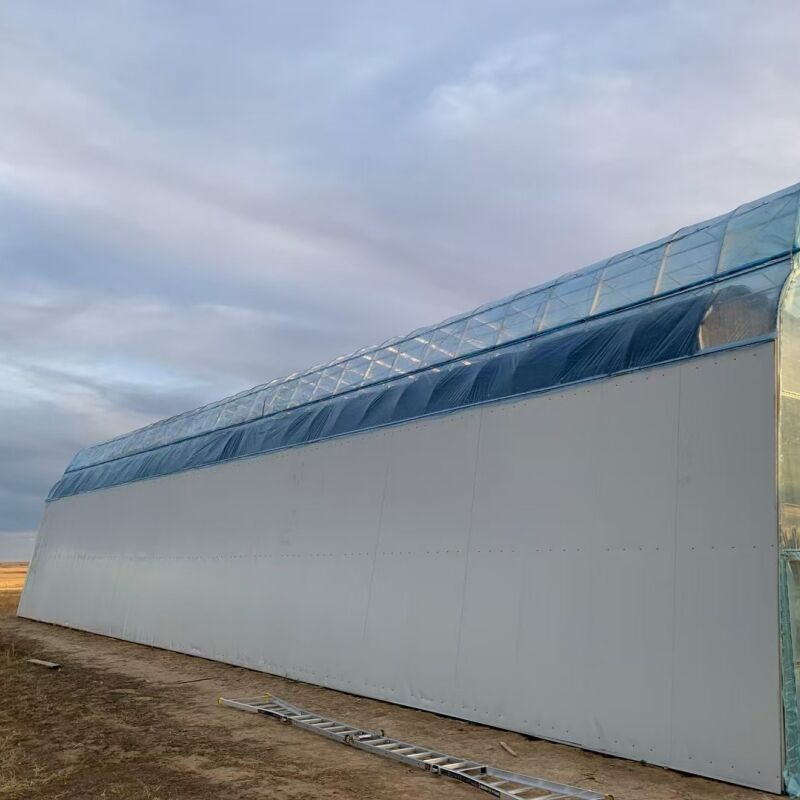
Understanding when greenhouse manufacturers offer custom solutions is critical for agricultural businesses, commercial growers, and research institutions seeking tailored growing environments. Custom greenhouse solutions represent specialized design and construction services that go beyond standard, off-the-shelf structures to meet unique operational requirements, climate challenges, crop specifications, or site constraints. The timing and circumstances under which greenhouse manufacturers provide these custom services depend on multiple factors including project complexity, budget thresholds, technical requirements, and strategic business considerations that influence both the manufacturer's capability and willingness to customize.
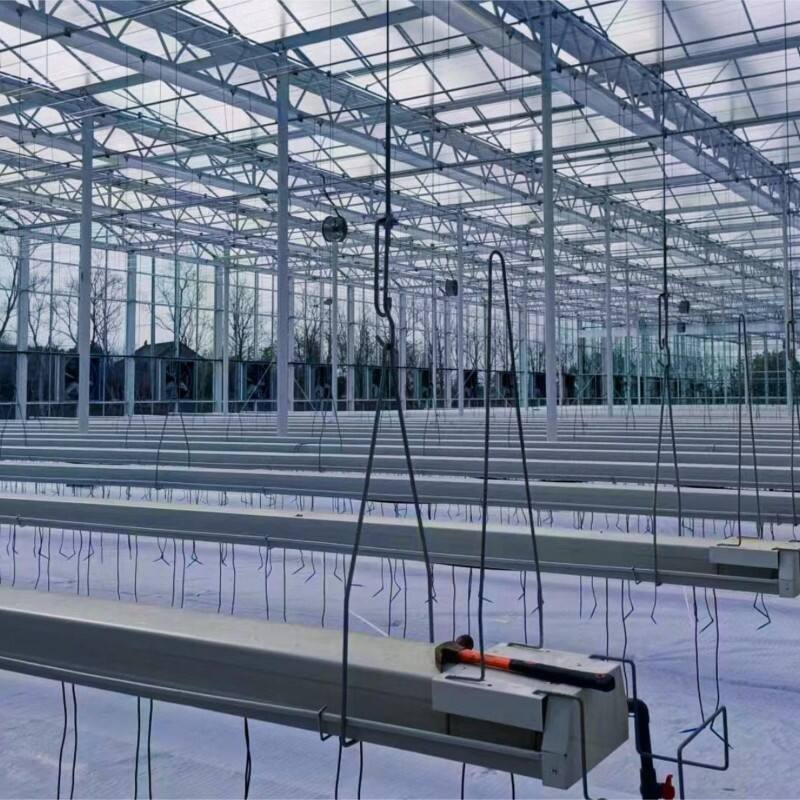
The decision point for engaging custom solutions from greenhouse manufacturers typically emerges during the early planning stages when standard greenhouse configurations prove inadequate for specific operational goals. This article explores the precise conditions, project characteristics, and business circumstances that trigger custom solution offerings from greenhouse manufacturers, providing practical guidance for determining when to pursue customized greenhouse design and what factors influence manufacturer readiness to deliver tailored structures rather than standard products.
Project Scale and Investment Thresholds That Trigger Custom Solutions
Minimum Project Size Requirements
Greenhouse manufacturers generally offer custom solutions when project scale exceeds certain minimum thresholds that justify the engineering resources, design time, and production adjustments required for customization. Most established greenhouse manufacturers consider custom design services for projects exceeding 5,000 square meters of growing area, though this threshold varies significantly based on manufacturer size and specialization. Larger greenhouse manufacturers with dedicated engineering departments may accept smaller custom projects starting at 2,000 square meters, while smaller manufacturers might require 10,000 square meters or more to allocate specialized design resources.
The economic rationale behind these thresholds relates directly to the fixed costs of custom engineering work. Preliminary site analysis, structural calculations, climate modeling, and detailed construction drawings represent substantial upfront investments that greenhouse manufacturers must recover through project margins. When projects reach sufficient scale, these fixed engineering costs become proportionally smaller relative to total project value, making customization economically viable for both manufacturer and client. Agricultural enterprises planning greenhouse expansions should recognize that crossing these scale thresholds opens access to significantly more flexible design options.
Investment value also influences when greenhouse manufacturers engage custom solution capabilities. Beyond physical size, projects with total investments exceeding certain monetary thresholds—typically between $500,000 and $2 million depending on regional markets—attract custom design attention even if physical footprints remain modest. High-value projects incorporating advanced climate control systems, specialized glazing materials, automated irrigation networks, or research-grade environmental monitoring justify the engineering resources required for customization. Greenhouse manufacturers recognize that clients making substantial financial commitments expect solutions precisely matched to their operational requirements rather than accepting compromises inherent in standard designs.
Multi-Phase Development Programs
Greenhouse manufacturers frequently offer custom solutions when clients present multi-phase development plans indicating long-term partnership potential and recurring business opportunities. A grower planning sequential greenhouse construction over three to five years represents a more attractive candidate for customization than a one-time buyer, even if initial phase scale falls slightly below standard thresholds. Manufacturers invest in custom engineering knowing that successful initial implementation positions them favorably for subsequent phases, creating economies of scale across the entire development program rather than single projects.
These multi-phase relationships allow greenhouse manufacturers to amortize custom design investments across multiple construction stages, fundamentally changing the economics of customization. Initial engineering work establishes foundational design principles, structural specifications, and systems integration approaches that subsequent phases can replicate with minimal additional design effort. Smart growers leverage this dynamic by clearly communicating expansion intentions during initial negotiations, often securing custom solutions at more favorable terms than standalone projects would command. The timing consideration here is strategic—greenhouse manufacturers become more flexible with customization when they perceive long-term business development potential.
Technical Complexity and Specialized Requirements
Non-Standard Climate Conditions
Greenhouse manufacturers consistently offer custom solutions when projects involve extreme or unusual climate conditions that standard designs cannot adequately address. Sites experiencing severe wind loads, heavy snow accumulation, intense solar radiation, extreme temperature fluctuations, or challenging humidity profiles require structural and systems modifications beyond typical product specifications. Manufacturers recognize that applying standard greenhouse designs to extreme conditions risks structural failure, crop losses, or operational inefficiency, making customization both technically necessary and commercially prudent.
Coastal locations subject to salt spray and corrosive environments, high-altitude sites with intense UV exposure and temperature extremes, and desert regions with extreme heat and low humidity all trigger custom solution offerings from experienced greenhouse manufacturers. These conditions demand specialized material specifications, enhanced structural reinforcement, modified ventilation strategies, and climate control system adaptations that standard product lines cannot provide. The timing for engaging manufacturers about these requirements is during preliminary site evaluation, when environmental data collection and analysis can inform whether standard or custom approaches are appropriate.
Specialized Crop Requirements
Unique crop specifications represent another clear trigger point when greenhouse manufacturers offer custom solutions. Standard greenhouse designs optimize for common commercial crops like tomatoes, cucumbers, peppers, and ornamental flowers grown under typical production protocols. However, specialized crops including cannabis, orchids, medicinal herbs, tropical fruits, research specimens, or plant breeding programs often require environmental conditions, structural configurations, or systems capabilities that standard greenhouses cannot deliver effectively.
Cannabis cultivation facilities, for example, demand precise environmental control, enhanced security features, odor management systems, and regulatory compliance measures that general-purpose greenhouses lack. Orchid production requires specific humidity profiles, shading characteristics, and air circulation patterns. Research greenhouses need compartmentalized zones with independent climate control, specialized monitoring instrumentation, and flexible reconfiguration capabilities. Greenhouse manufacturers with technical depth recognize these specialized requirements as natural custom solution opportunities, offering tailored designs when crop specifications clearly exceed standard capabilities.
The timing consideration for crop-specific customization is during the feasibility and planning phase when growers define production protocols and performance expectations. Early engagement with greenhouse manufacturers allows technical teams to assess whether standard structures with minor modifications might suffice or whether fundamental design customization is necessary. This early dialogue prevents costly mismatches between facility capabilities and crop requirements that can compromise production efficiency and crop quality throughout the greenhouse operational lifetime.
Site-Specific Constraints and Integration Challenges
Irregular or Challenging Site Geometry
Greenhouse manufacturers reliably offer custom solutions when site characteristics create geometric or spatial constraints that standard rectangular designs cannot efficiently accommodate. Irregularly shaped properties, sloped terrain, existing infrastructure that must be preserved or integrated, utility corridor limitations, and zoning setback requirements all create situations where standard greenhouse footprints waste valuable space or fail to optimize site potential. Custom design services allow manufacturers to develop greenhouse configurations that maximize usable growing area within site-specific constraints.
Sloped sites present particular challenges that trigger custom engineering from greenhouse manufacturers. Standard greenhouses assume level foundations, but properties with significant grade changes require terraced designs, specialized foundation systems, or creative structural adaptations that maintain operational efficiency while conforming to topography. Similarly, sites with shape irregularities—triangular parcels, curved boundaries, or narrow elongated dimensions—benefit from custom greenhouse layouts that standard product lines cannot efficiently serve. The decision point for custom solutions occurs during site planning when land surveys and topographic assessments reveal these geometric challenges.
Integration with Existing Infrastructure
Greenhouse expansion projects requiring integration with existing structures, utilities, or operational systems consistently prompt custom solution offerings from greenhouse manufacturers. Connecting new greenhouse sections to established facilities demands careful attention to structural compatibility, systems interconnection, and operational workflow continuity that standard designs rarely accommodate without modification. Manufacturers recognize that retrofit and expansion projects inherently require customization to ensure seamless integration rather than creating disconnected, operationally inefficient facilities.
Existing utility infrastructure—water supply lines, electrical distribution systems, heating plants, CO2 generation equipment—represents substantial prior investment that new greenhouse construction should leverage rather than duplicate. Custom greenhouse designs can optimize connections to these existing systems, potentially reducing overall project costs despite higher design fees. Greenhouse manufacturers familiar with expansion projects understand this value proposition and proactively offer custom integration services when site assessments reveal significant existing infrastructure. The timing for these discussions is during preliminary engineering when utility mapping and capacity analysis reveal integration opportunities.
Regulatory Compliance and Specialized Certifications
Jurisdiction-Specific Building Requirements
Complex or unusual regulatory environments frequently drive greenhouse manufacturers to offer custom solutions that ensure full compliance with local building codes, agricultural regulations, and environmental requirements. Jurisdictions with stringent structural standards, specific energy efficiency mandates, stormwater management requirements, or agricultural use restrictions may render standard greenhouse designs non-compliant or require substantial modifications that effectively constitute custom engineering. Manufacturers serving diverse geographic markets maintain regulatory expertise and offer custom design services to navigate these compliance challenges.
Some regions mandate specific structural certifications, seismic design requirements, wind resistance ratings, or snow load capacities that exceed standard greenhouse specifications. Others impose energy performance standards, water use limitations, or environmental impact thresholds that require custom systems integration and design optimization. Experienced greenhouse manufacturers recognize these regulatory complexities as legitimate customization drivers and engage compliance specialists during project development. The critical timing for addressing regulatory requirements is during permit preparation when detailed engineered drawings and compliance documentation must demonstrate adherence to all applicable codes.
Industry-Specific Certifications
Specialized industry certifications and quality standards create another scenario when greenhouse manufacturers offer custom solutions. Organic certification programs, Good Agricultural Practices (GAP) compliance, food safety standards, pharmaceutical production requirements, or research facility accreditations often impose specific design criteria, material restrictions, or operational capabilities that standard greenhouses do not inherently provide. Manufacturers targeting premium market segments develop custom design capabilities specifically to serve clients requiring these certifications.
Cannabis cultivation facilities seeking state licensing approvals, for instance, must meet security requirements, tracking system integrations, and facility specifications that vary by jurisdiction and exceed general agricultural standards. Research institutions require greenhouses meeting specific biosafety levels, contamination control protocols, or experimental design flexibility. Greenhouse manufacturers serving these specialized markets offer custom solutions as standard practice, recognizing that certification requirements effectively mandate customization. Growers pursuing certified production should engage greenhouse manufacturers early in certification planning to ensure facility designs incorporate all necessary compliance features from the outset.
Strategic Manufacturer Considerations
Market Positioning and Competitive Strategy
Greenhouse manufacturers' willingness to offer custom solutions also depends on strategic business considerations including market positioning, competitive differentiation, and portfolio diversification objectives. Manufacturers positioning themselves as premium solution providers or technology leaders actively promote custom design capabilities as core value propositions, offering customization more readily and at lower thresholds than competitors focused on volume production of standard products. Understanding manufacturer strategic orientation helps clients identify which greenhouse manufacturers are genuinely equipped and motivated to deliver custom solutions.
Some greenhouse manufacturers deliberately cultivate engineering-intensive, custom solution capabilities to differentiate from commodity-oriented competitors and justify premium pricing. These firms invest in technical talent, maintain sophisticated design tools, and develop organizational processes supporting custom project delivery. They view customization as strategic advantage rather than operational burden, making them natural partners for projects requiring tailored solutions. Conversely, manufacturers optimizing for production efficiency and cost leadership may resist customization even for sizable projects, preferring to focus resources on standardized product refinement and volume manufacturing.
Manufacturing Capacity and Production Scheduling
Practical considerations of manufacturing capacity and production scheduling influence when greenhouse manufacturers can offer custom solutions. Even manufacturers with strong custom design capabilities face capacity constraints that affect project acceptance timing. During peak construction seasons when production facilities operate at full capacity with standard product orders, manufacturers may decline custom projects or quote extended lead times that reduce project attractiveness. Conversely, during slower periods, these same manufacturers actively seek custom projects to maintain workforce utilization and revenue streams.
Savvy buyers can leverage these capacity dynamics by timing custom greenhouse projects during manufacturers' traditionally slower periods, often securing more favorable pricing and faster delivery schedules. Late fall and winter months in temperate climates typically represent lower demand periods when greenhouse manufacturers have greater flexibility to accommodate custom engineering and production requirements. Understanding these seasonal patterns and engaging greenhouse manufacturers during strategic windows can significantly improve both project economics and delivery timelines for custom solutions.
FAQ
What is the typical minimum project size for greenhouse manufacturers to consider custom solutions?
Most greenhouse manufacturers consider custom design services for projects exceeding 5,000 square meters of growing area or approximately $500,000 to $2 million in total investment value, though these thresholds vary based on manufacturer size, specialization, and strategic focus. Smaller custom projects may be accepted when they involve multi-phase development programs, highly specialized technical requirements, or strategic market entry opportunities for the manufacturer. The economic rationale centers on distributing fixed engineering costs across sufficient project value to maintain acceptable margins while delivering meaningful customization.
How far in advance should I contact greenhouse manufacturers about custom solution requirements?
Initial contact with greenhouse manufacturers regarding custom solutions should occur during early feasibility and site evaluation phases, typically 12 to 18 months before desired construction start dates. This timeline allows adequate time for preliminary engineering assessments, design development, permit preparation, material procurement, and production scheduling. Complex custom projects with extensive technical requirements, challenging site conditions, or regulatory complications may require even longer lead times of 18 to 24 months to ensure thorough engineering and coordination.
Do all greenhouse manufacturers have the capability to deliver custom solutions?
Not all greenhouse manufacturers possess equivalent custom solution capabilities, as this requires substantial engineering resources, technical expertise, and organizational processes beyond standard product manufacturing. Larger manufacturers with dedicated engineering departments, experienced technical staff, and diverse project portfolios typically offer more comprehensive custom capabilities than smaller manufacturers focused on standardized production. Buyers should carefully evaluate manufacturer qualifications including engineering credentials, custom project portfolios, technical certifications, and client references when selecting partners for custom greenhouse projects.
Can custom greenhouse solutions actually reduce total project costs compared to standard designs?
Custom greenhouse solutions can reduce total project costs in specific circumstances despite higher design fees, particularly when they optimize site utilization, integrate efficiently with existing infrastructure, eliminate unnecessary standard features, or prevent costly operational inefficiencies. Projects with challenging site conditions may find that custom designs avoiding expensive site preparation work actually cost less overall than forcing standard designs onto unsuitable terrain. Similarly, custom solutions precisely matching crop requirements and operational workflows can deliver lifecycle cost advantages through improved production efficiency and reduced operational expenses that offset initial design premiums.
Table of Contents
- Project Scale and Investment Thresholds That Trigger Custom Solutions
- Technical Complexity and Specialized Requirements
- Site-Specific Constraints and Integration Challenges
- Regulatory Compliance and Specialized Certifications
- Strategic Manufacturer Considerations
-
FAQ
- What is the typical minimum project size for greenhouse manufacturers to consider custom solutions?
- How far in advance should I contact greenhouse manufacturers about custom solution requirements?
- Do all greenhouse manufacturers have the capability to deliver custom solutions?
- Can custom greenhouse solutions actually reduce total project costs compared to standard designs?