 EN
EN



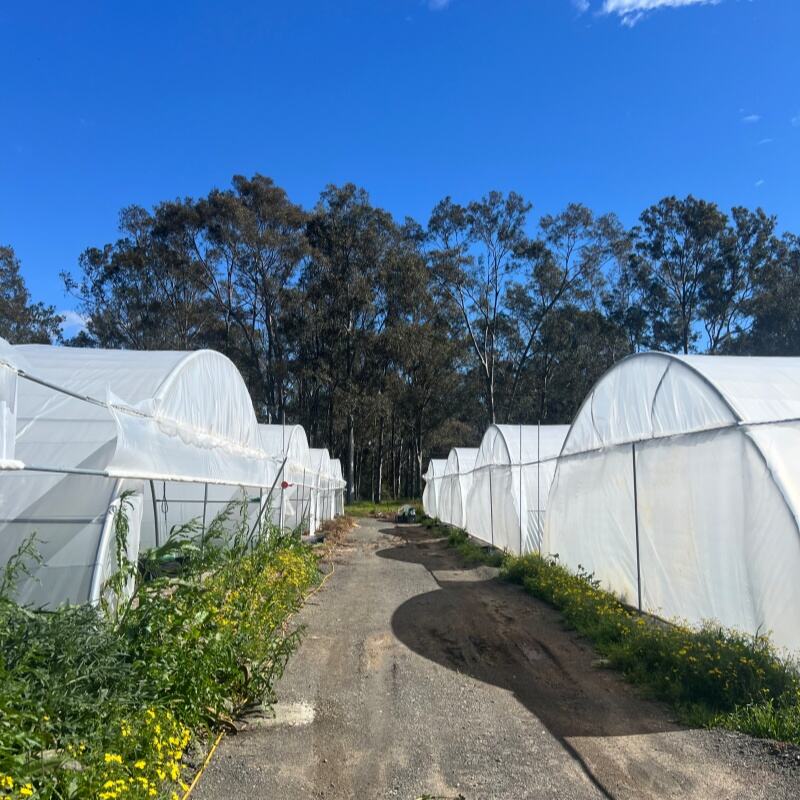
The commercial flower industry faces a fundamental challenge that threatens profitability and market consistency: seasonal limitations. Traditional outdoor cultivation restricts growers to specific planting windows, leaving them vulnerable to weather fluctuations, pest outbreaks, and market oversupply during peak seasons. This cyclical constraint forces many operations to accept reduced revenue streams for months at a time while fixed costs continue accumulating. For businesses seeking sustainable growth and predictable cash flow, understanding why flower greenhouses enable year-round production becomes essential to competitive positioning in modern horticultural markets.
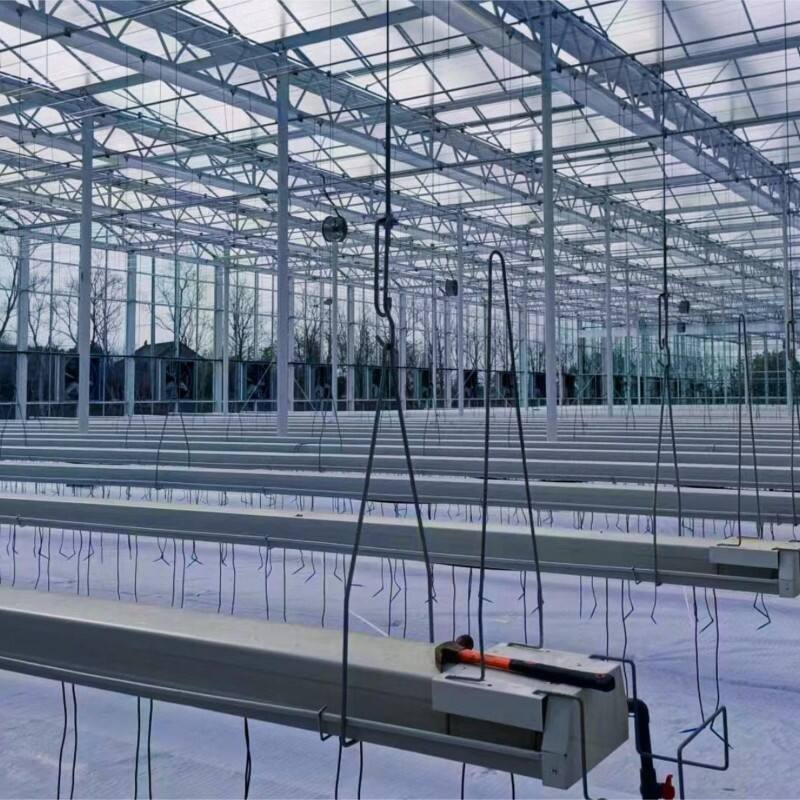
Year-round cultivation represents more than extended growing periods—it transforms business models from seasonal operations into continuous production systems. Flower greenhouses create controlled environments where temperature, humidity, light exposure, and nutrient delivery operate independently from external climate conditions. This environmental control eliminates the dormancy periods that outdoor cultivation imposes, allowing growers to maintain consistent production schedules aligned with market demand rather than seasonal constraints. The strategic value extends beyond simple harvest frequency to encompass quality consistency, supply chain reliability, and the ability to target premium market windows when outdoor production ceases.
Environmental Control as the Foundation of Continuous Production
Temperature Regulation Beyond Seasonal Boundaries
Temperature management forms the cornerstone of why flower greenhouses enable uninterrupted cultivation cycles. Most commercial flower species require specific temperature ranges for optimal growth—typically between 15°C and 25°C depending on variety. Outdoor environments rarely maintain these parameters consistently, with seasonal temperature swings creating months of suboptimal or impossible growing conditions. Advanced flower greenhouses incorporate heating systems for winter months and cooling mechanisms for summer periods, maintaining the precise thermal environment each crop stage demands regardless of external weather patterns.
This thermal stability directly impacts cellular metabolism and development rates in flowering plants. When temperatures drop below species-specific thresholds, photosynthetic efficiency decreases and growth rates slow dramatically or cease entirely. Conversely, excessive heat triggers stress responses that compromise flower quality and accelerate senescence. By maintaining optimal temperature ranges continuously, greenhouse structures eliminate these productivity disruptions. Growers can schedule plantings based on market timing rather than waiting for favorable outdoor temperatures, fundamentally altering the economics of flower production.
Humidity and Atmospheric Composition Control
Atmospheric moisture levels influence disease pressure, transpiration rates, and overall plant health throughout the growing cycle. Flower greenhouses equipped with humidity control systems prevent the fungal diseases that devastate outdoor crops during humid seasons while avoiding the desiccation stress that occurs in arid periods. Maintaining relative humidity between 60% and 80%—the ideal range for most flowering species—creates conditions where plants allocate resources toward reproductive development rather than environmental stress responses.
Beyond water vapor management, enclosed growing environments allow precise control of carbon dioxide concentrations. Atmospheric CO₂ enrichment up to 1000-1200 ppm significantly enhances photosynthetic rates compared to ambient outdoor levels of approximately 400 ppm. This elevated carbon availability accelerates growth rates and improves flower size and quality characteristics. The enclosed nature of flower greenhouses makes this enhancement economically feasible, as supplemental CO₂ remains within the growing space rather than dissipating into the open atmosphere. These atmospheric advantages compound with temperature control to create year-round growing conditions impossible to replicate outdoors.
Light Management Systems Extending Productive Hours
Natural Light Optimization Through Structural Design
Modern flower greenhouses maximize natural light transmission through high-transparency glazing materials and optimized structural orientations. Glass or polycarbonate panels with transmission rates exceeding 90% ensure plants receive sufficient photosynthetically active radiation even during shorter winter days. This light capture efficiency reduces supplemental lighting requirements and associated energy costs while maintaining the photon flux necessary for continuous flower production. The architectural design considers solar angles throughout the year, minimizing structural shadows that would create uneven growing conditions within the facility.
Seasonal variation in day length presents challenges for photoperiod-sensitive flower species that require specific light duration triggers for flowering initiation. Many commercially valuable species are classified as either long-day or short-day plants, naturally flowering only when day length exceeds or falls below critical thresholds. Without intervention, these natural photoperiod requirements would restrict flowering to specific seasons. Greenhouse structures provide the framework for light manipulation systems that override these natural limitations, enabling production scheduling aligned with market demand rather than astronomical seasons.
Supplemental Lighting for Season-Independent Scheduling
Artificial lighting systems integrated into flower greenhouses eliminate photoperiod as a limiting factor in production planning. High-intensity discharge lamps, LED arrays, or hybrid systems provide supplemental illumination during winter months when natural day length falls below crop requirements. For long-day plants like many popular cut flowers, extending photoperiods to 14-16 hours maintains vegetative growth and triggers flowering on schedule. Short-day species receive blackout treatments that artificially create the shortened photoperiods necessary for flower initiation, even during summer months when natural day length would prevent flowering.
The economic implications of photoperiod control extend beyond simple production feasibility. Growers can time flowering to coincide with peak demand periods—Valentine's Day, Mother's Day, and other high-value market windows—regardless of natural seasonal patterns. This market-responsive scheduling capability transforms flower greenhouses from simple protective structures into strategic production tools. The ability to produce premium flowers during traditional off-seasons when outdoor production ceases creates significant pricing advantages, often generating profit margins that justify the infrastructure and operational investments required for controlled environment systems.
Protection From Environmental Stresses and Pest Pressures
Weather Event Isolation and Risk Mitigation
Extreme weather events pose existential threats to outdoor flower cultivation, with single storms capable of destroying entire crops within hours. Hail damage, wind breakage, excessive rainfall, and temperature extremes regularly devastate unprotected plantings, creating financial losses that can destabilize commercial operations. Flower greenhouses provide physical barriers that isolate crops from these destructive forces, ensuring production continuity regardless of external weather volatility. This protection becomes increasingly valuable as climate patterns shift toward greater frequency and intensity of extreme events.
The risk mitigation value of structural protection extends to insurance costs and financial planning reliability. Lenders and investors view greenhouse operations as lower-risk ventures compared to open-field cultivation due to reduced crop loss probability. This risk profile often translates to improved financing terms and lower insurance premiums, creating compounding economic benefits beyond direct production advantages. For operations dependent on consistent cash flow to service debt or maintain payroll, the production reliability that flower greenhouses provide represents foundational business security rather than merely operational convenience.
Integrated Pest Management in Controlled Environments
Enclosed growing spaces fundamentally alter pest management dynamics compared to outdoor cultivation. Physical barriers prevent many flying insect pests from accessing crops, immediately reducing pest pressure compared to open-field scenarios. Screened ventilation openings, double-door entry systems, and positive air pressure protocols create multiple defense layers that exclude common pests without chemical interventions. This exclusion approach forms the foundation of integrated pest management strategies that minimize pesticide use while maintaining production quality.
When pest populations do establish within flower greenhouses, the enclosed environment facilitates biological control strategies that prove impractical outdoors. Beneficial insects released within greenhouse spaces remain concentrated near target pest populations rather than dispersing into surrounding landscapes. This containment dramatically improves biological control efficacy and economic viability. Similarly, targeted pesticide applications affect smaller volumes of space with greater precision, reducing chemical inputs while improving control outcomes. The combination of exclusion, biological control, and precision application creates pest management systems that support year-round production while addressing market demands for reduced chemical residues on finished products.
Economic Advantages of Continuous Production Systems
Cash Flow Stabilization Through Harvest Continuity
Traditional seasonal flower production creates pronounced cash flow volatility, with revenue concentrated in brief harvest windows followed by months of minimal income while fixed costs continue. This cyclical pattern complicates financial planning, strains working capital during low-revenue periods, and limits business growth potential. Flower greenhouses enable staggered planting schedules that generate harvest events throughout the year, transforming lumpy seasonal revenue into predictable monthly income streams. This financial stability supports systematic business expansion, consistent employment, and improved relationships with buyers who value reliable supply.
The ability to maintain continuous production creates opportunities for direct market relationships that seasonal operations cannot support. Retail florists, wholesale distributors, and event planners prioritize suppliers who provide consistent availability rather than sporadic seasonal supply. Year-round greenhouse operations capture these relationship-based sales channels, often commanding premium pricing due to supply reliability. The resulting customer retention and repeat business generate higher lifetime value compared to transactional spot-market sales that characterize seasonal production models.
Labor Efficiency and Workforce Retention
Continuous production enabled by flower greenhouses supports permanent skilled workforces rather than seasonal labor pools. Year-round employment attracts higher-quality personnel who develop specialized expertise in crop management, pest identification, and quality control. This accumulated knowledge compounds over time, improving operational efficiency and product quality in ways seasonal operations cannot replicate. Reduced turnover eliminates recurring training costs and productivity losses associated with constant workforce replacement.
Equipment utilization rates improve dramatically when flower greenhouses operate continuously rather than sitting idle for months. Transplanting machines, irrigation systems, climate control infrastructure, and harvesting equipment generate returns throughout the year instead of depreciating while unused during off-seasons. This improved asset utilization fundamentally changes the economic calculus of capital investments, making advanced automation and precision systems financially viable for greenhouse operations where they would prove prohibitively expensive for seasonal outdoor production.
Market Positioning Through Counter-Seasonal Production
Premium Pricing During Off-Season Windows
Market supply dynamics create significant pricing advantages for growers who produce flowers during traditional off-seasons. When outdoor production ceases due to unfavorable weather, demand for fresh flowers continues through holidays, events, and routine consumer purchases. This supply-demand imbalance drives prices substantially higher during winter months for many species. Flower greenhouses positioned to deliver fresh product during these scarcity periods capture margin premiums that often exceed 50-100% compared to peak-season pricing when outdoor production floods markets.
Geographic markets with harsh winters or extended rainy seasons present particularly strong opportunities for greenhouse production. Regions where outdoor cultivation proves impossible for four to six months annually create prolonged premium pricing windows. Operations investing in flower greenhouses specifically to target these periods structure production schedules around high-value market timing rather than attempting continuous year-round output. This strategic approach maximizes return on greenhouse infrastructure investments by concentrating production during periods of optimal market conditions.
Supply Chain Reliability as Competitive Differentiation
Wholesale buyers and retail chains increasingly prioritize supply reliability over lowest-cost sourcing, particularly for quality-sensitive product categories like fresh flowers. Greenhouse operations offering guaranteed weekly delivery volumes with consistent quality specifications secure preferred vendor status and long-term contracts that provide revenue stability. This relationship-based business model generates higher average prices than spot-market transactions while reducing sales and marketing costs through established channels.
The logistics advantages of local year-round production further enhance competitive positioning. Flower greenhouses located near major population centers eliminate the transportation time and handling stress that compromise quality in long-distance supply chains. Reduced transit time extends post-harvest shelf life, creating measurable quality advantages that justify premium pricing. As consumer preferences shift toward locally-produced goods and transparent supply chains, proximity-based greenhouse operations capture market share from distant seasonal producers regardless of marginal production cost differences.
FAQ
What makes flower greenhouses economically viable for small-scale operations?
Small-scale flower greenhouses achieve economic viability through direct market access and premium product positioning rather than commodity-scale volume. Operations selling directly to consumers through farm stands, farmers markets, or community-supported agriculture programs capture retail margins that offset higher per-unit production costs. Specialty varieties, organic certification, or unique color selections command premium pricing that proves impossible for large-scale commodity producers. The year-round production capability ensures consistent revenue that supports operational expenses even with modest facility size. Many successful small operations focus on high-value species like specialty cut flowers or potted ornamentals where quality and uniqueness outweigh pure volume considerations in market valuation.
How do energy costs affect year-round greenhouse profitability?
Energy expenses represent significant operational costs for flower greenhouses maintaining year-round production, typically ranging from 15-30% of total operating budgets depending on climate zone and facility design. However, strategic energy management and production timing minimize these impacts on profitability. Modern greenhouse designs incorporate thermal curtains, double-layer glazing, and efficient heating systems that reduce energy consumption compared to older structures. Many operations schedule intensive production during moderate temperature periods when heating and cooling loads remain minimal, reducing production during temperature extremes when energy costs peak. The premium pricing achieved during off-season production windows typically provides sufficient margin to absorb elevated energy costs while maintaining profitability substantially above peak-season outdoor production economics.
Can flower greenhouses operate profitably in tropical climates?
Tropical regions present unique opportunities and challenges for flower greenhouses focused on year-round production. While heating requirements remain minimal or nonexistent, cooling and humidity control become primary technical challenges. Passive cooling through natural ventilation, evaporative cooling systems, and shade management often prove sufficient for many flower species without expensive mechanical refrigeration. Tropical greenhouse operations frequently focus on species that tolerate higher temperatures while targeting export markets in temperate regions during winter months when local outdoor production ceases. The ability to produce temperate-zone flowers year-round without heating costs creates significant competitive advantages despite elevated cooling and pest management requirements. Success depends on careful species selection, appropriate cooling infrastructure, and market access to regions experiencing seasonal production gaps.
What return on investment timeline should growers expect from greenhouse infrastructure?
Return on investment timelines for flower greenhouses vary considerably based on facility sophistication, market positioning, and operational efficiency, typically ranging from four to eight years for well-managed operations. Basic structures with minimal climate control in favorable climates may achieve payback within three to four years, while advanced facilities with comprehensive environmental systems in challenging climates often require six to eight years. The continuous revenue generation from year-round production significantly shortens payback periods compared to seasonal utilization scenarios. Operations targeting premium market windows and establishing direct buyer relationships typically achieve faster returns than those competing in commodity markets. Most financial analyses demonstrate positive cash flow within the first full production year, with cumulative profits recovering initial capital investments within the medium-term timeframe that aligns well with agricultural lending standards and business planning horizons.