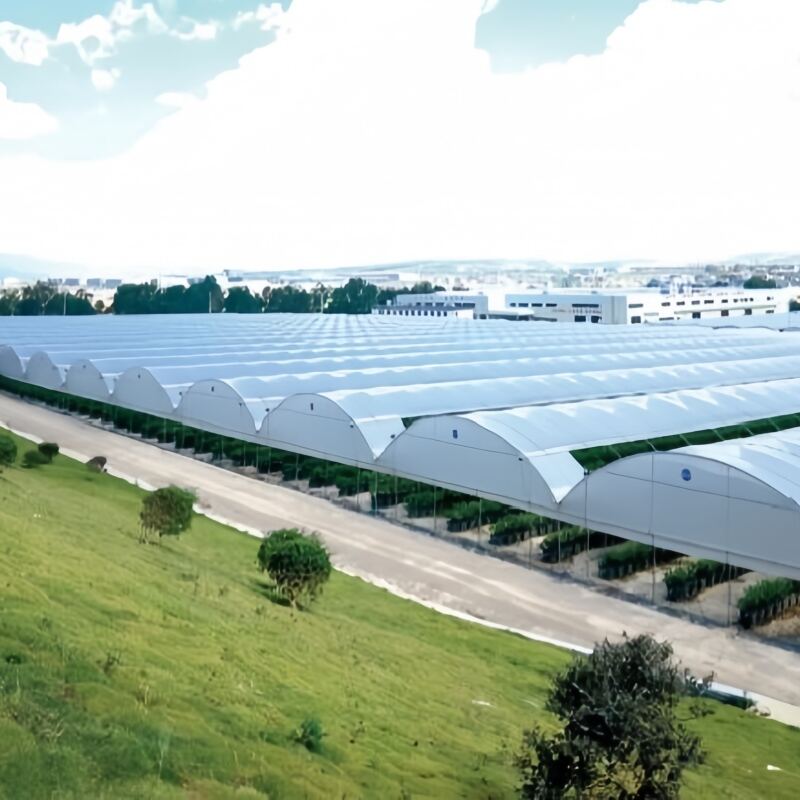
växthusskelett
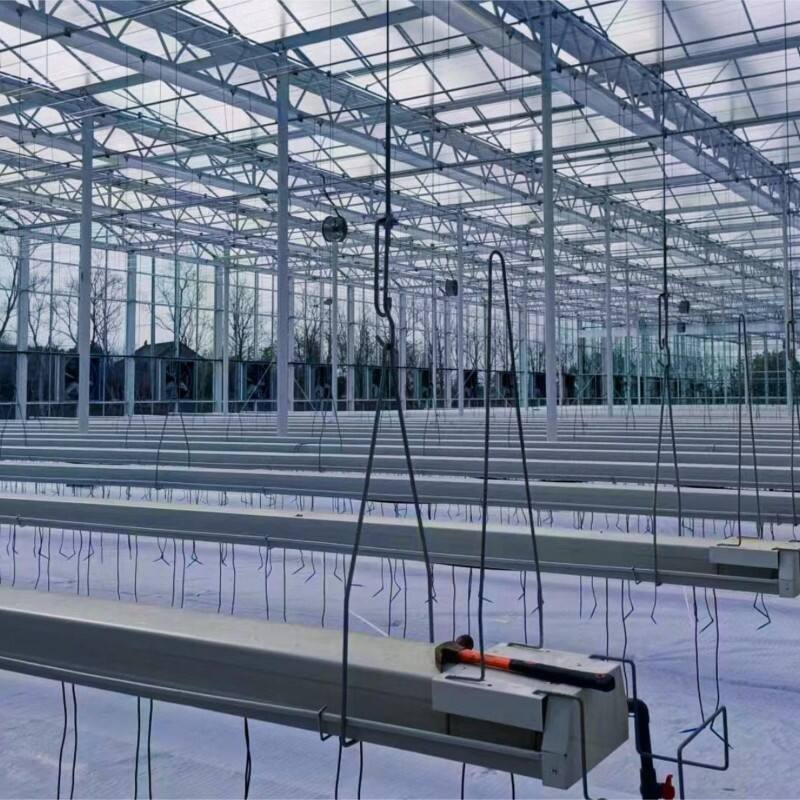
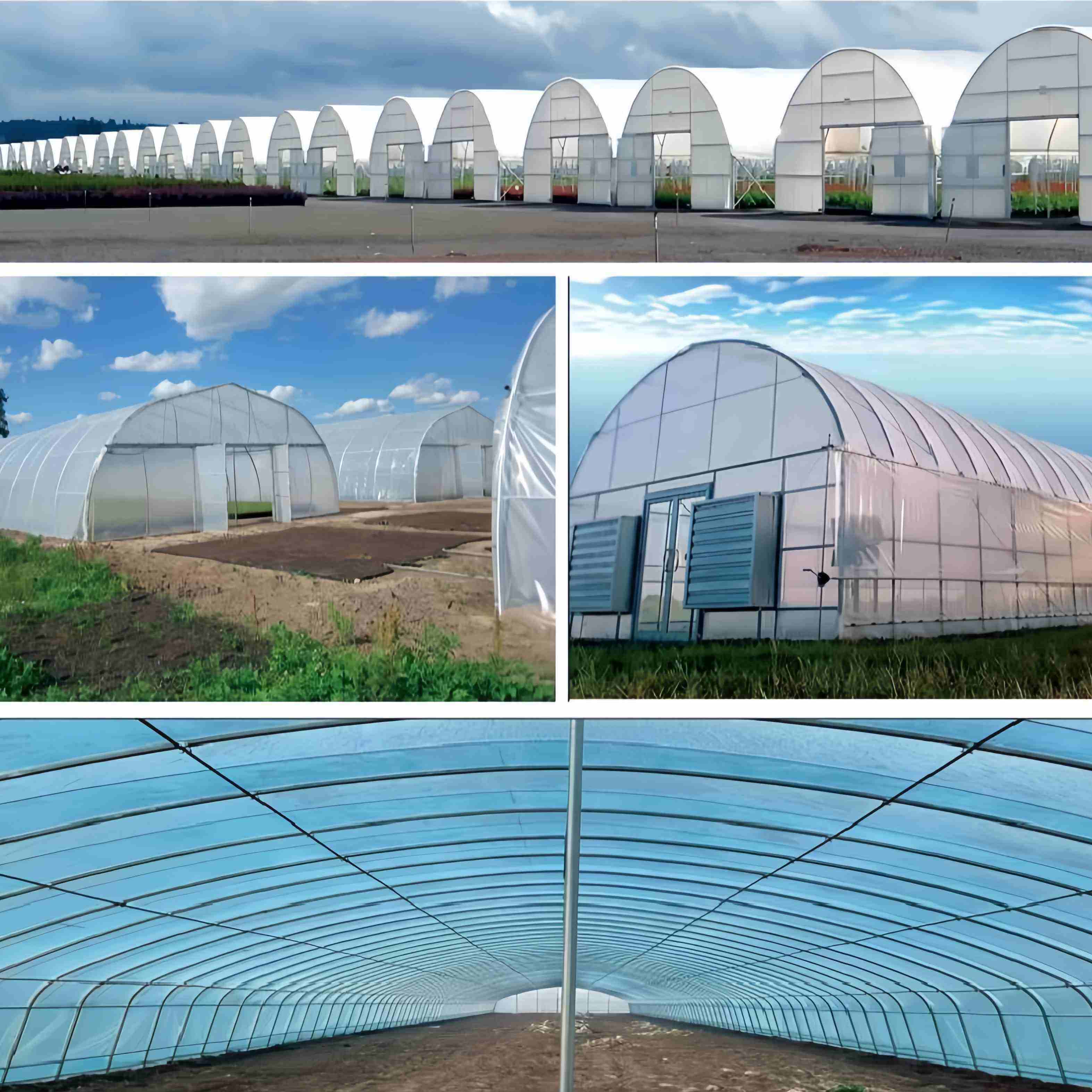
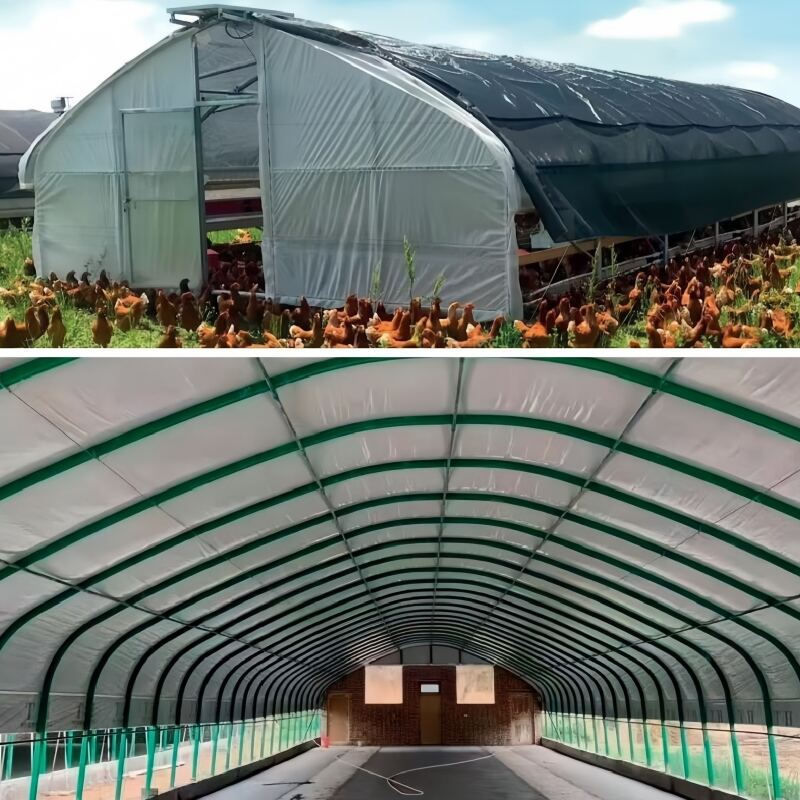
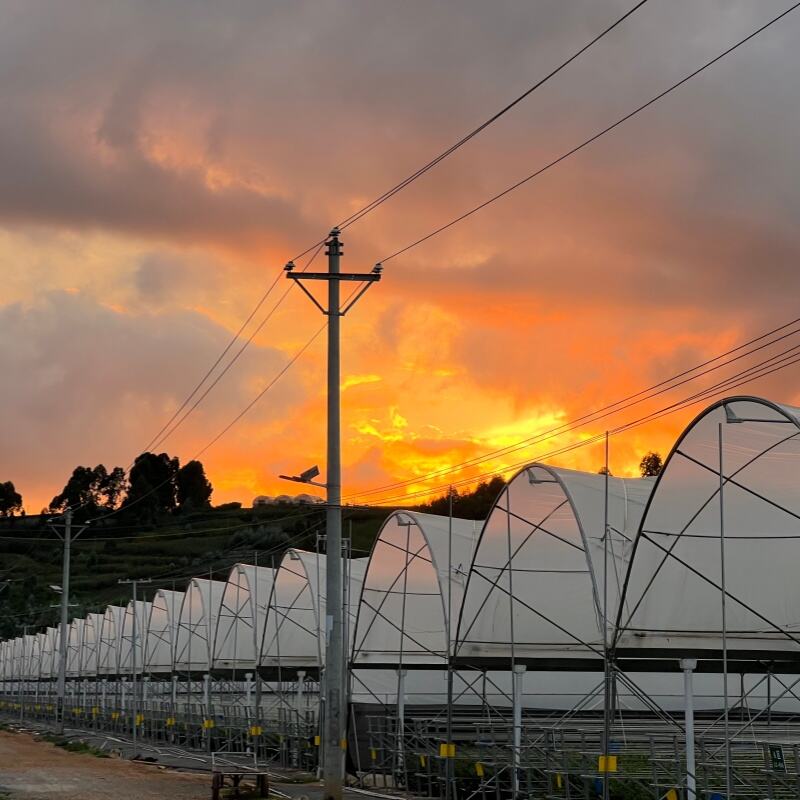
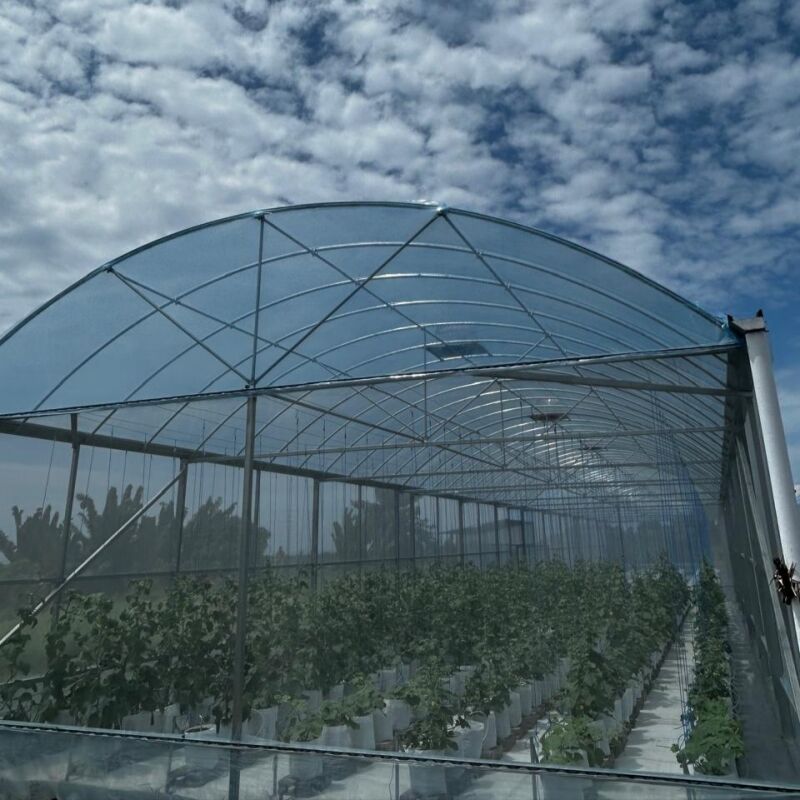
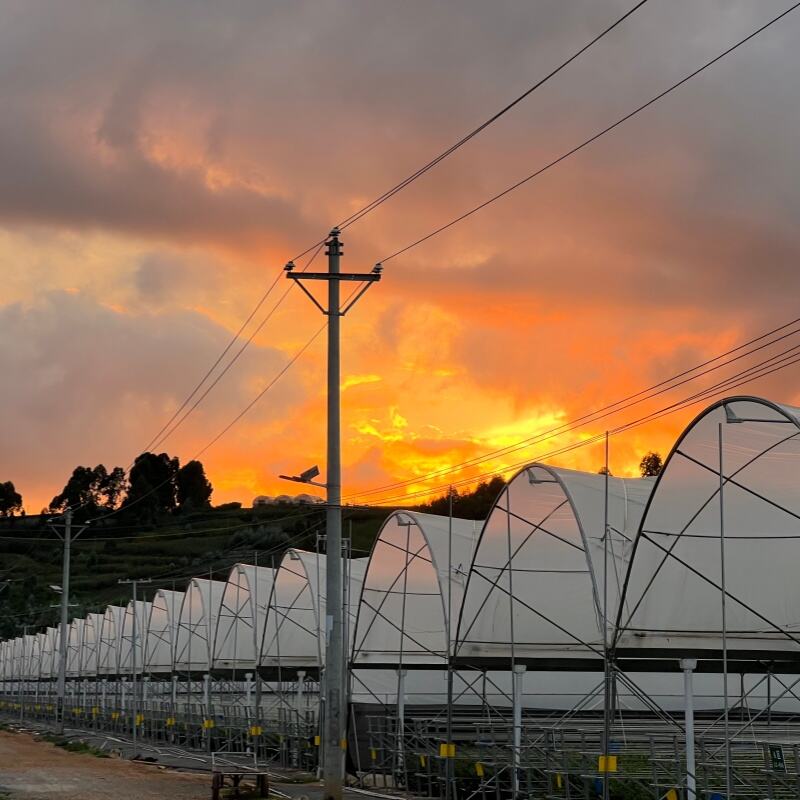
Växthusramen utgör ryggraden i moderna jordbruksstrukturer och ger en avgörande ramstöd för odling i kontrollerade miljöer. Detta konstruktionssystem består av noggrant konstruerade komponenter, inklusive vertikala stolpar, horisontella balkar, takbinder och anslutningsfogar som samverkar för att skapa en stabil grund för växthusdrift. Växthusramen måste tåla olika miljöpåverkningar, såsom vindlast, snöackumulering och seismiska krafter, samtidigt som den bevarar sin strukturella integritet under hela årets jordbruksproduktion. De primära funktionerna för växthusramen inkluderar lastfördelning över hela konstruktionen, säkerställande av lämpliga ventilationssvägar samt underlättande av optimal ljusgenomträngning genom strategiskt utformade designelement. Ramverket möjliggör installation av nödvändiga system, såsom uppvärmning, kylning, bevattning och automatiserade styrsystem, vilka krävs för modern jordbruksdrift. Teknologiska funktioner i nutida växthusramdesigner omfattar avancerade material som galvaniserad stål, aluminiumlegeringar och kompositmaterial som är korrosionsbeständiga samtidigt som de behåller sina lättviktsegenskaper. Konstruktionskraven fokuserar på att ta hänsyn till termisk expansion, vilket gör att konstruktionen kan anpassa sig till temperaturfluktuationer utan att förlora stabilitet. Växthusramen stödjer täckmaterial som sträcker sig från traditionella glaspaneler till moderna polykarbonatplattor och plastfolier. Tillämpningarna omfattar kommersiell grönsaksodling, prydnadsväxtodling, forskningsanläggningar och specialodling av särskilda grödor. Varje tillämpning kräver specifika växthusramkonfigurationer som är anpassade till grödornas krav, lokala klimatförhållanden och driftbehov. Den modulära karaktären hos moderna växthusramsystem möjliggör skalbar konstruktion, vilket gör att lantbrukare kan utöka sina verksamheter stegvis. Professionell installation säkerställer korrekt integrering med grunden, exakt justering och efterlevnad av lokala byggnadsregler. Växthusramen utgör en avgörande investering i jordbruksinfrastrukturen och påverkar direkt skördens storlek, driftseffektiviteten och anläggningens långsiktiga hållbarhet.
 EN
EN