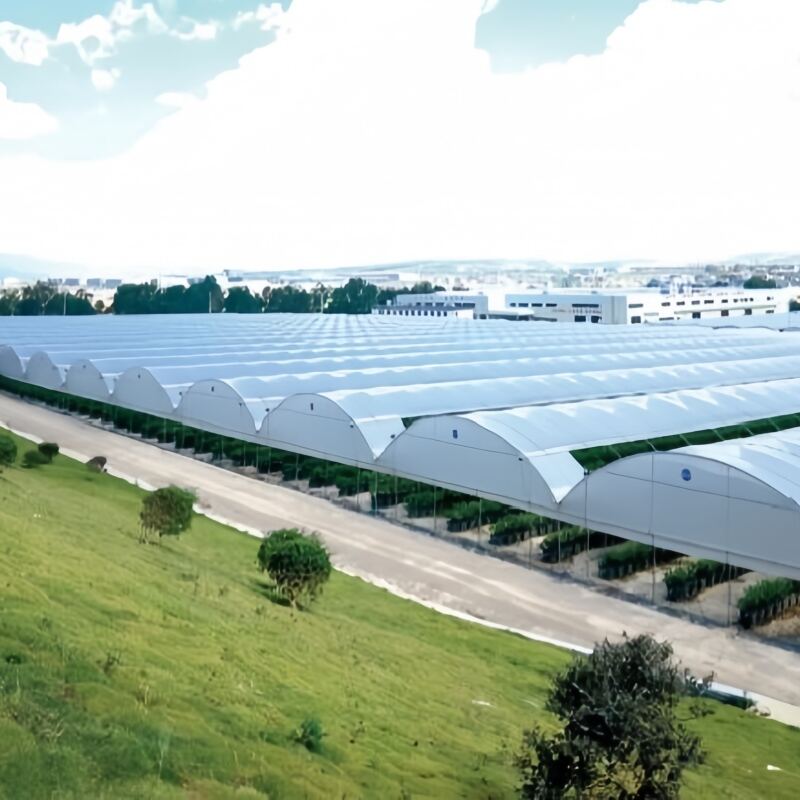
Chinese Solar Greenhouse Technology: Revolutionary Sustainable Agriculture Solutions

Welcome To JYXD-greenhouse

Get a Free Quote

Our representative will contact you soon.
Email
Tel or Whatsapp
Name
Company Name
Message
0/1000

chinese solar greenhouse

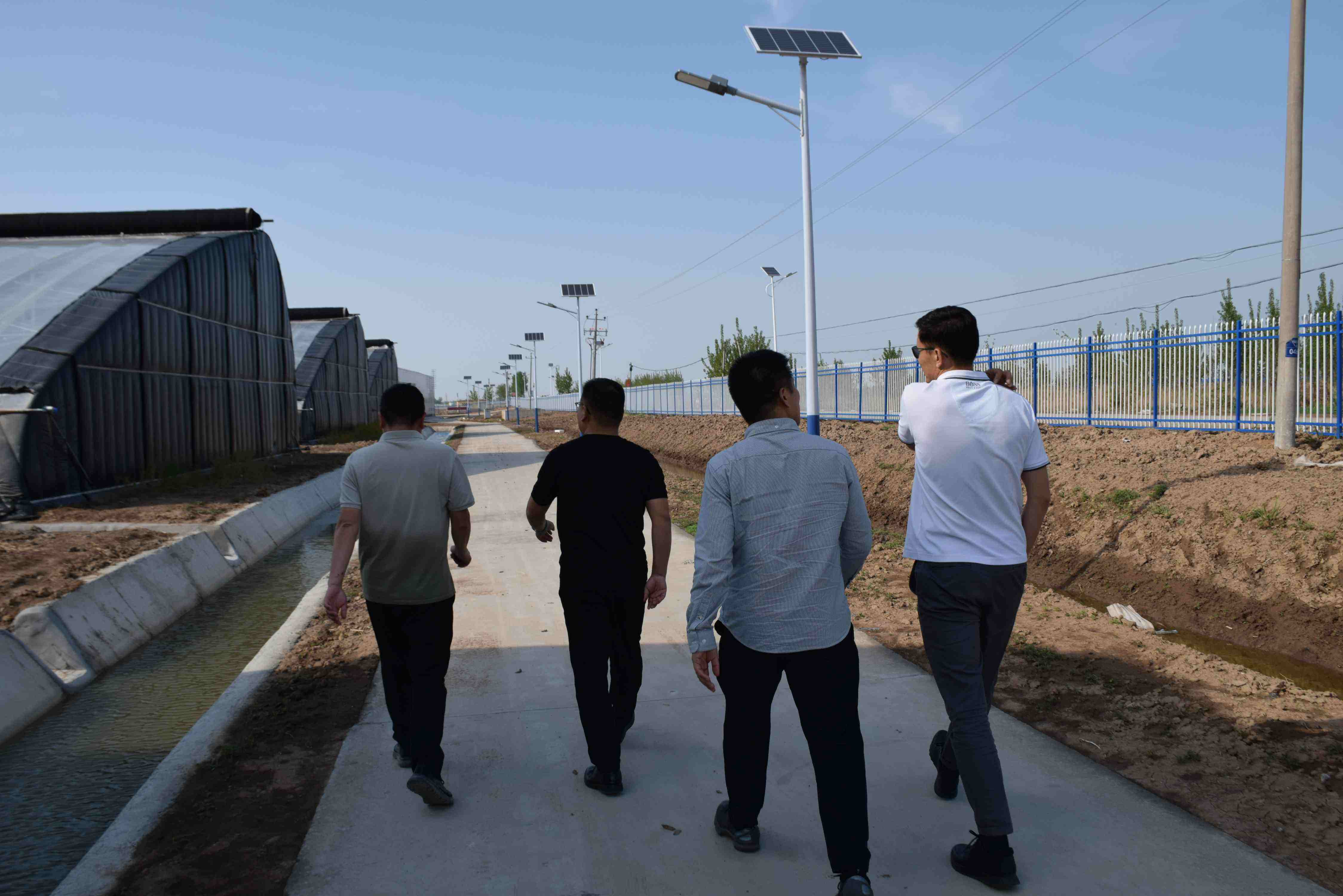
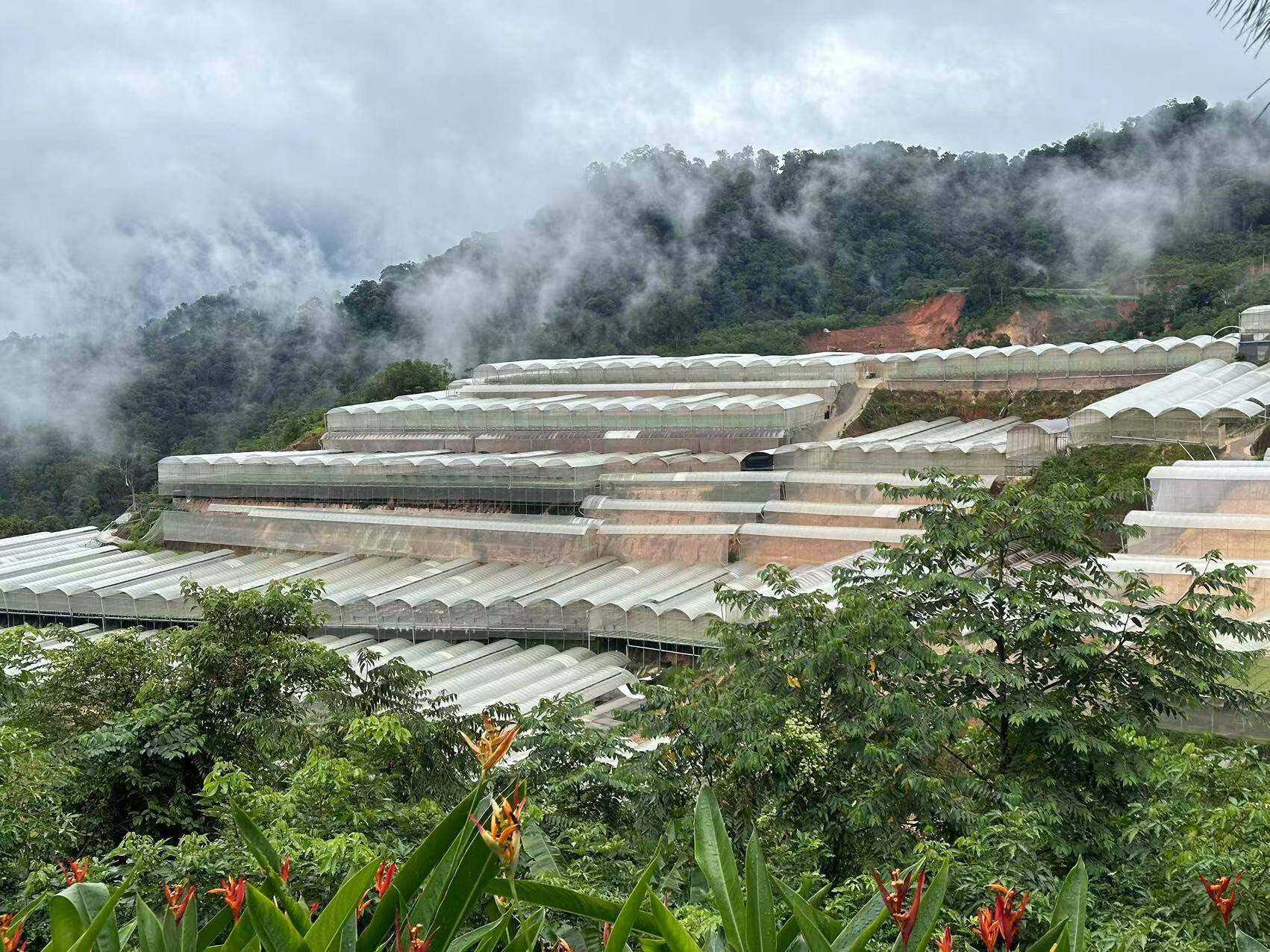
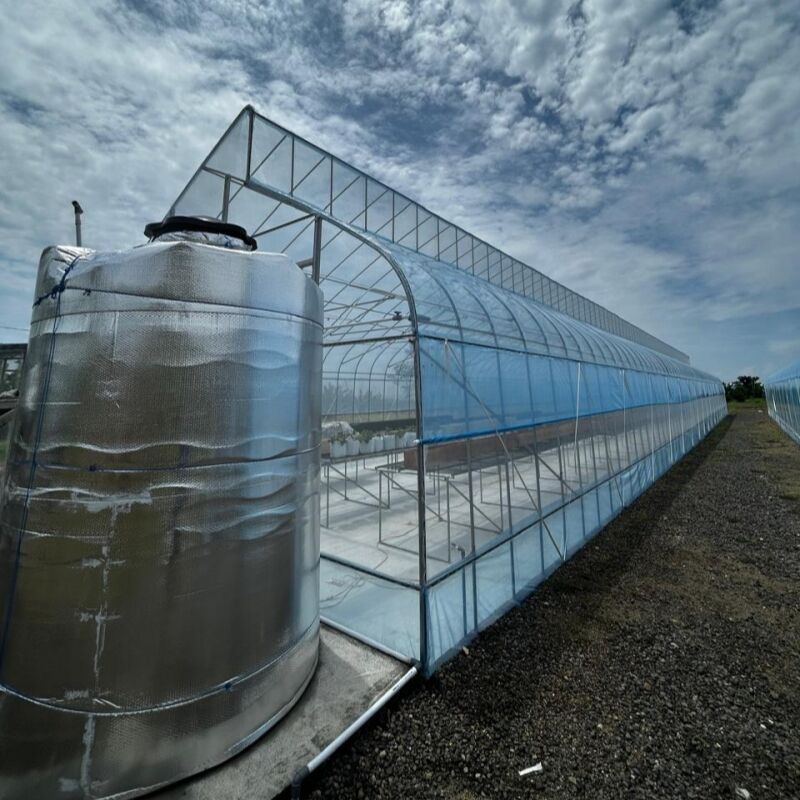
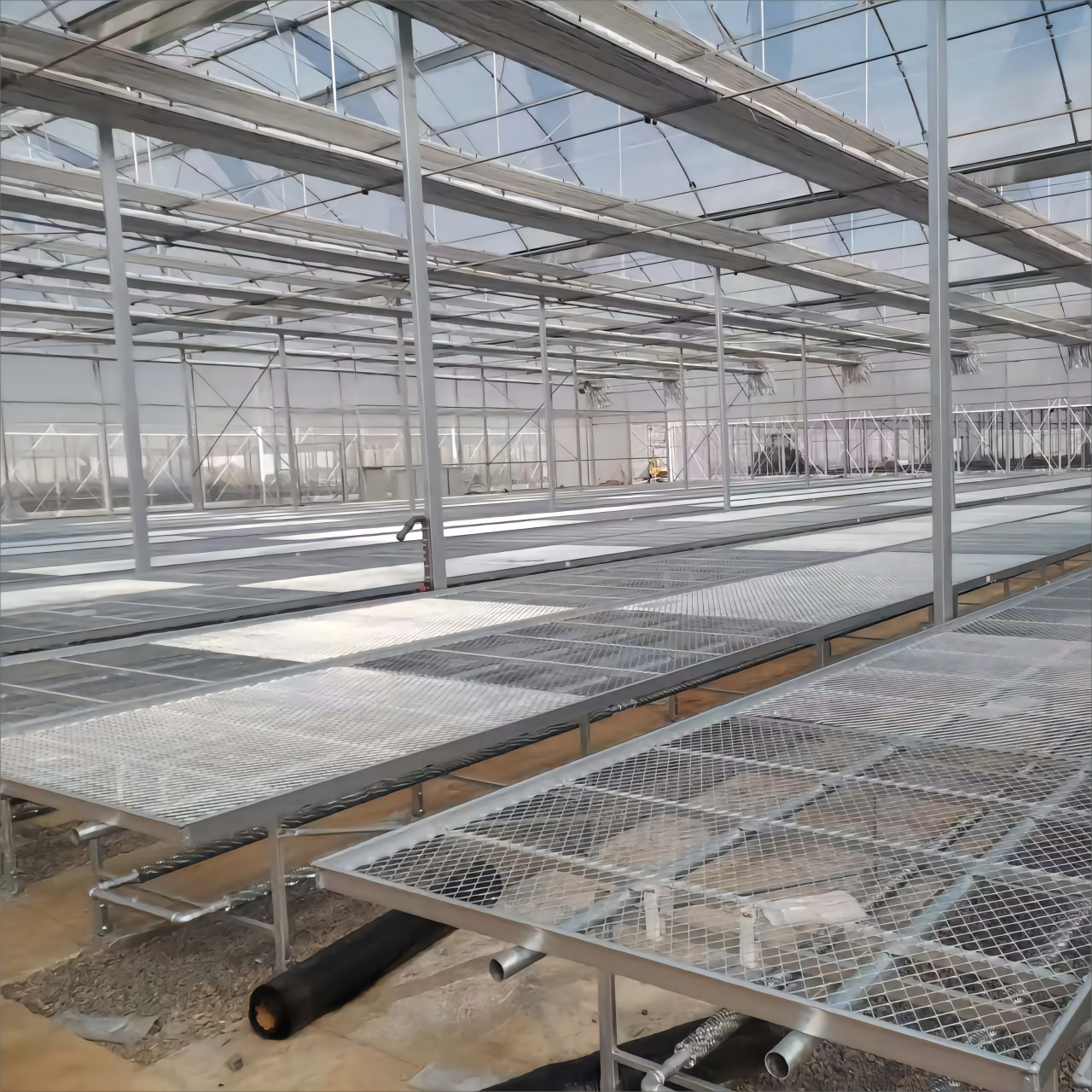
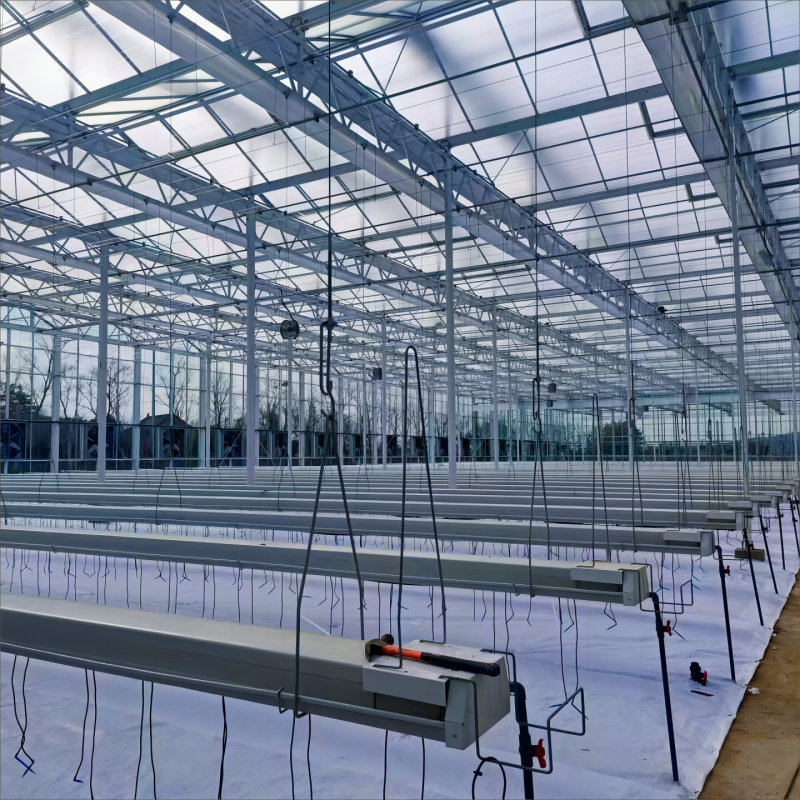
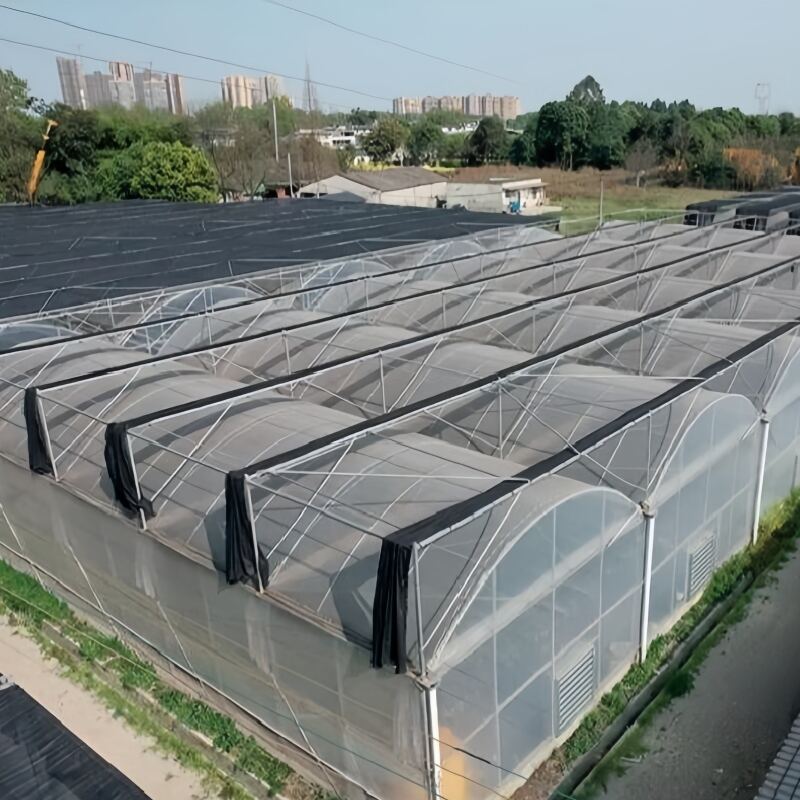
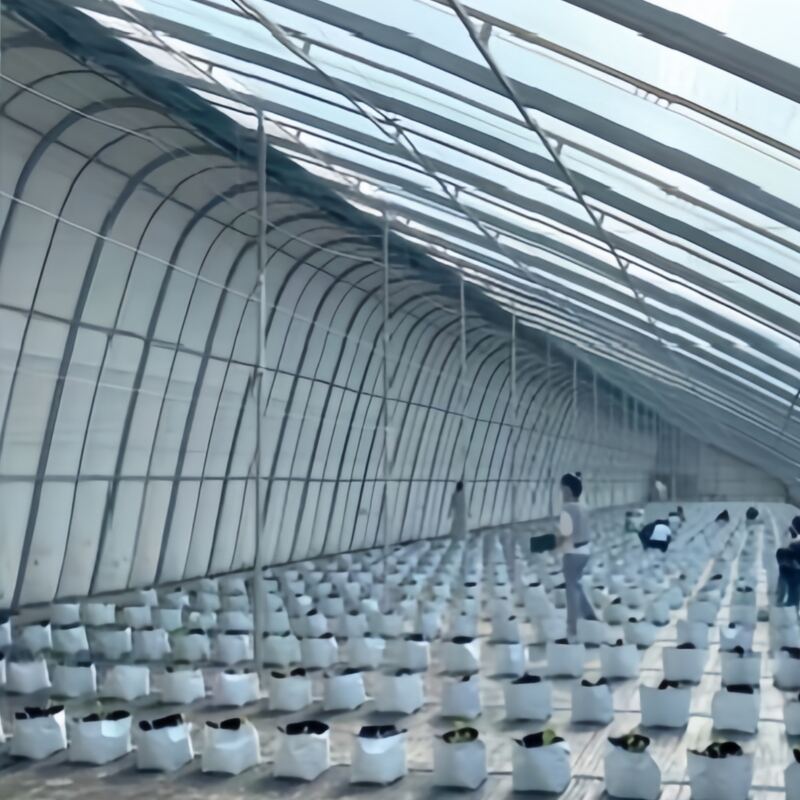
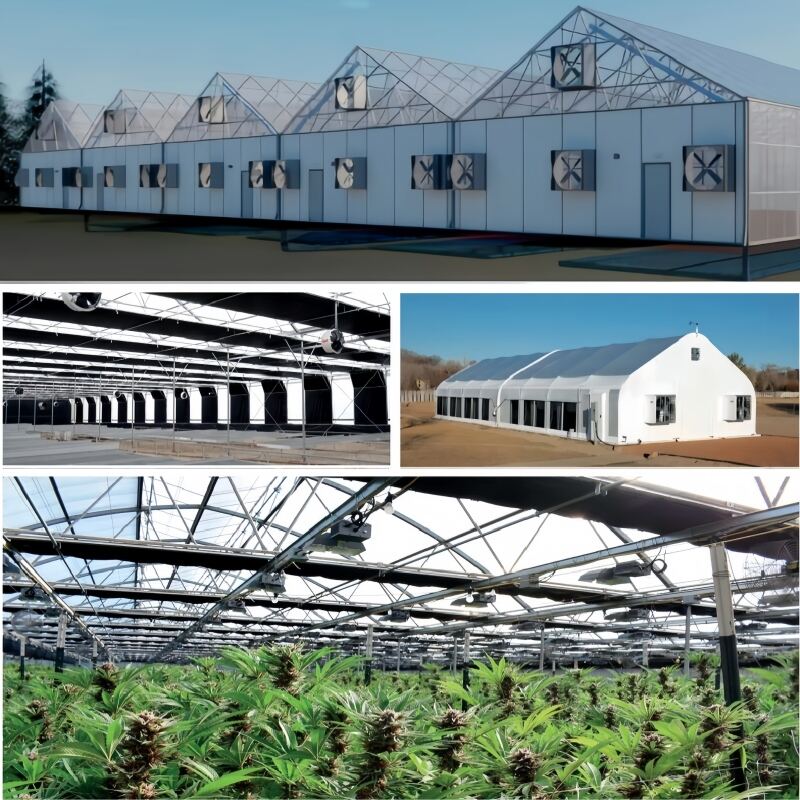
The Chinese solar greenhouse represents a revolutionary advancement in protected agriculture, combining traditional greenhouse principles with innovative solar energy utilization techniques. This sophisticated agricultural structure maximizes natural sunlight capture while maintaining optimal growing conditions throughout the year. The Chinese solar greenhouse features a unique asymmetrical design with a transparent south-facing wall that captures maximum solar radiation during daylight hours. The north wall consists of thick insulating materials, often incorporating thermal mass elements like brick or concrete, which store heat during the day and release it gradually during cooler periods. This design creates a stable microclimate that extends growing seasons significantly. The technological features of the Chinese solar greenhouse include advanced ventilation systems that regulate temperature and humidity automatically. Strategic placement of vents along the structure ensures proper air circulation while preventing heat loss. The greenhouse incorporates reflective materials on interior surfaces to enhance light distribution throughout the growing space. Water collection systems integrated into the roof design capture rainwater for irrigation purposes, promoting sustainable farming practices. Temperature monitoring sensors provide real-time data to optimize growing conditions for various crops. The Chinese solar greenhouse finds extensive applications in commercial vegetable production, flower cultivation, and seedling propagation. Farmers utilize these structures to grow high-value crops like tomatoes, cucumbers, peppers, and leafy greens during winter months when outdoor cultivation becomes impossible. Research institutions employ Chinese solar greenhouses for agricultural experiments and crop development studies. Educational facilities use these structures to demonstrate sustainable farming techniques to students and agricultural professionals. The adaptability of the Chinese solar greenhouse makes it suitable for various climatic conditions, from temperate regions to areas with harsh winter conditions.

Popular Products

The Chinese solar greenhouse delivers exceptional energy efficiency that dramatically reduces operational costs compared to conventional heated greenhouses. This innovative structure harnesses natural solar energy effectively, eliminating the need for expensive fossil fuel heating systems. Farmers save thousands of dollars annually on energy bills while maintaining optimal growing conditions for their crops. The passive solar design captures and stores heat naturally, creating a self-sustaining thermal environment that operates without external energy inputs during most of the growing season. The Chinese solar greenhouse extends growing seasons substantially, allowing farmers to produce fresh vegetables and flowers throughout winter months. This capability transforms agricultural productivity by enabling year-round cultivation in regions where outdoor farming becomes impossible during cold seasons. Growers achieve multiple harvests per year, significantly increasing their income potential and market competitiveness. The controlled environment protects crops from harsh weather conditions, ensuring consistent yields regardless of external climate variations. Water conservation represents another major advantage of the Chinese solar greenhouse system. The enclosed structure reduces water evaporation by up to sixty percent compared to open-field agriculture. Integrated rainwater collection systems capture precipitation for irrigation use, further reducing water costs and promoting environmental sustainability. Drip irrigation systems installed within the greenhouse deliver precise water amounts directly to plant roots, minimizing waste and maximizing efficiency. The Chinese solar greenhouse provides superior crop protection against pests, diseases, and extreme weather events. The enclosed environment creates a barrier against harmful insects and reduces the need for chemical pesticides. This protection results in healthier crops, reduced crop losses, and lower production costs. Farmers experience fewer weather-related crop failures, leading to more predictable income streams and improved financial stability. Quality control becomes easier within the Chinese solar greenhouse environment, as growers can monitor and adjust growing conditions precisely. Temperature, humidity, and light levels remain consistent, producing higher-quality crops that command premium prices in the market. The controlled environment enables cultivation of specialty crops that require specific growing conditions, opening new market opportunities for farmers.

Practical Tips

Forging a Powerful Alliance: Netafim and Juyou Xinda Unite to Reshape the Future of Smart Agriculture

28

Nov

Forging a Powerful Alliance: Netafim and Juyou Xinda Unite to Reshape the Future of Smart Agriculture

View More
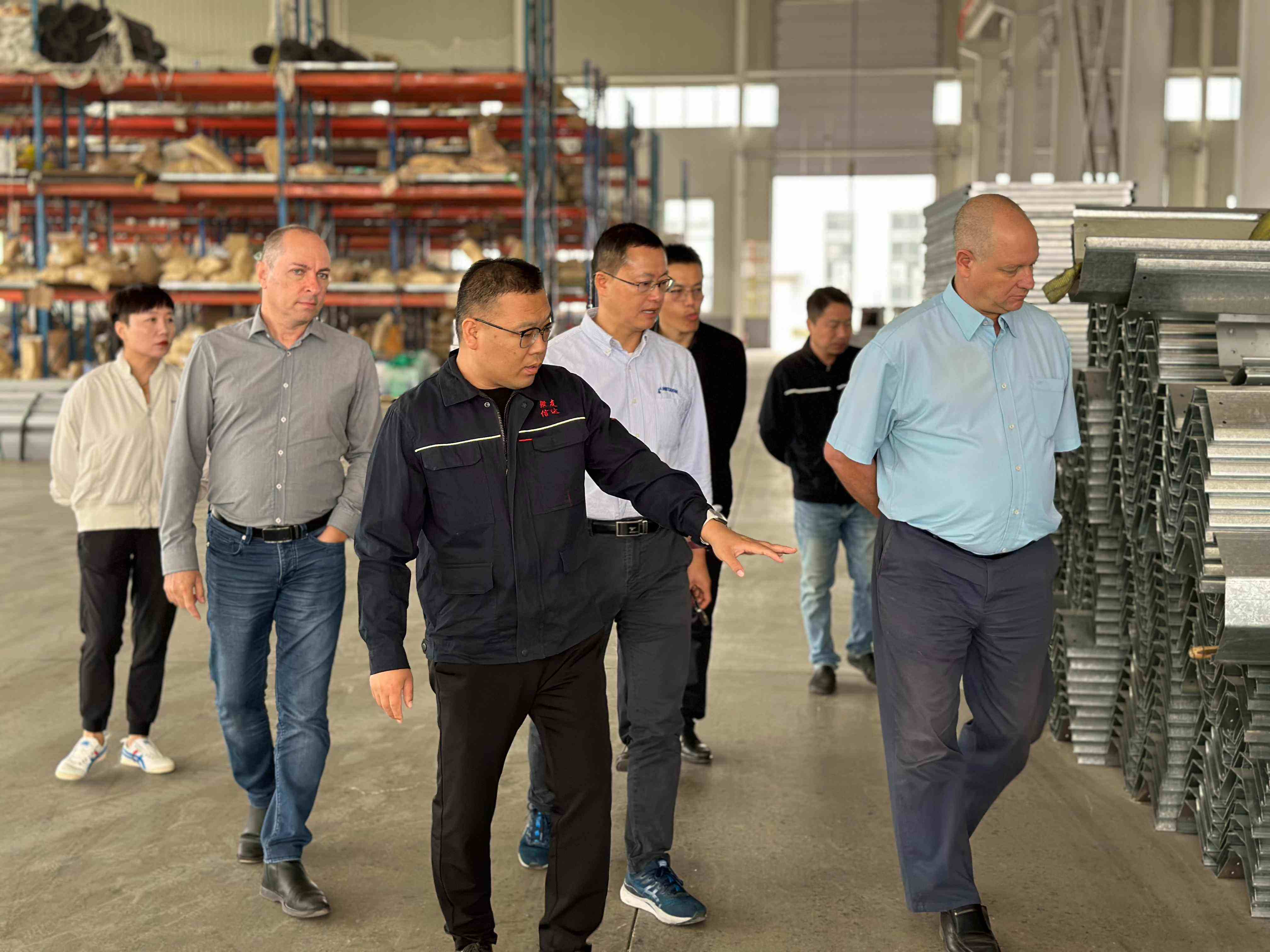
Australian Greenhouse Company Visits Our Facilities to Explore New Collaboration on 50,000 Sq.m Strawberry Glass Greenhouse Project

28

Nov

Australian Greenhouse Company Visits Our Facilities to Explore New Collaboration on 50,000 Sq.m Strawberry Glass Greenhouse Project

View More
 Innovative Breakthrough: Our Company Successfully Delivers World's First Customized

28

Nov

Innovative Breakthrough: Our Company Successfully Delivers World's First Customized "Greenhouse for Fertilizer Drying" to Malaysian Client

View More

Get a Free Quote

Our representative will contact you soon.
Email
Tel or Whatsapp
Name
Company Name
Message
0/1000

chinese solar greenhouse

Advanced Thermal Management System

Advanced Thermal Management System

The Chinese solar greenhouse incorporates a sophisticated thermal management system that revolutionizes agricultural heating efficiency through innovative design principles. The asymmetrical structure features a transparent south-facing wall constructed with high-transmission glass or polycarbonate materials that maximize solar energy capture throughout daylight hours. This design element works in conjunction with a heavily insulated north wall that typically measures three to four feet thick and contains thermal mass materials such as brick, concrete, or water-filled containers. During sunny days, the thermal mass absorbs and stores solar energy, gradually releasing this captured heat during nighttime hours to maintain optimal growing temperatures without external heating sources. The thermal management system includes strategically positioned ventilation openings that automatically regulate internal temperatures through natural convection processes. Upper vents along the south wall release excess heat during warm periods, while lower vents facilitate cool air intake to maintain proper air circulation. This passive ventilation system prevents overheating during summer months while conserving heat during winter periods. Temperature sensors throughout the structure monitor environmental conditions continuously, ensuring optimal growing climates for various crop types. The thermal efficiency of the Chinese solar greenhouse reduces heating costs by up to eighty percent compared to conventional greenhouse operations. This remarkable energy savings translates directly into improved profit margins for agricultural businesses. The system maintains consistent temperatures between eighteen to twenty-five degrees Celsius, creating ideal growing conditions for a wide variety of crops including tomatoes, peppers, cucumbers, leafy greens, and flowering plants. The thermal management capability extends growing seasons by four to six months in temperate climates, enabling farmers to achieve multiple harvests annually and significantly increase their production capacity and revenue potential.
Intelligent Environmental Control Integration

Intelligent Environmental Control Integration

The Chinese solar greenhouse features comprehensive environmental control integration that optimizes growing conditions through automated monitoring and adjustment systems. Advanced sensor networks throughout the structure continuously measure temperature, humidity, light intensity, and soil moisture levels, providing real-time data for precise environmental management. These intelligent systems automatically adjust ventilation, irrigation, and supplemental lighting based on predetermined parameters specific to each crop type. The environmental control integration includes automated irrigation systems that deliver water and nutrients directly to plant root zones through precision drip lines or micro-sprinkler networks. Soil moisture sensors trigger irrigation cycles when needed, preventing both drought stress and overwatering conditions that can damage crops. Nutrient delivery systems can be programmed to provide specific fertilizer combinations at optimal concentrations, ensuring plants receive proper nutrition throughout their growth cycles. Climate control computers process environmental data and activate appropriate responses to maintain ideal growing conditions automatically. Ventilation systems open and close based on temperature thresholds, while humidity controls prevent condensation buildup that could lead to fungal diseases. Light sensors can trigger supplemental LED lighting during cloudy periods or extend photoperiods for crops requiring specific day lengths. The intelligent environmental control integration reduces labor requirements significantly by automating routine monitoring and adjustment tasks. Farmers can manage multiple greenhouse units remotely through smartphone applications or computer interfaces, allowing efficient oversight of large-scale operations. Alert systems notify operators of any environmental parameters that exceed optimal ranges, enabling quick corrective actions. This automation capability improves crop consistency and quality while reducing operational costs. The environmental control integration also includes data logging capabilities that track growing conditions over time, enabling farmers to analyze patterns and optimize their cultivation practices. Historical data helps identify the most effective environmental settings for specific crops and growing seasons, leading to improved yields and quality. This intelligent approach to greenhouse management represents the future of precision agriculture.
Sustainable Resource Management Excellence

Sustainable Resource Management Excellence

The Chinese solar greenhouse exemplifies sustainable resource management excellence through integrated systems that maximize efficiency while minimizing environmental impact. Water conservation represents a cornerstone of this sustainability approach, with rainwater collection systems built into the greenhouse roof design capturing precipitation for irrigation use. These collection systems can harvest thousands of gallons of water annually, reducing dependence on municipal water supplies and lowering operational costs significantly. The enclosed greenhouse environment reduces water evaporation rates by fifty to seventy percent compared to open-field agriculture, ensuring efficient water utilization throughout the growing season. Recycled water systems capture and treat drainage water from irrigation, allowing reuse for subsequent watering cycles and minimizing waste. The sustainable resource management approach extends to energy utilization through the greenhouse's passive solar design that eliminates dependence on fossil fuel heating systems. Solar energy capture and thermal storage capabilities provide heating requirements naturally, reducing carbon emissions and operational expenses simultaneously. Photovoltaic panels integrated into greenhouse structures can generate electricity for automated systems, creating energy-positive operations that contribute power back to electrical grids. Waste heat from composting organic matter within the greenhouse provides additional thermal energy while recycling agricultural waste products beneficially. Soil management practices within the Chinese solar greenhouse emphasize sustainable growing media and nutrition delivery systems. Composting systems process organic waste into valuable fertilizer, creating closed-loop nutrient cycles that reduce external input requirements. Beneficial microbial communities maintained within the greenhouse ecosystem support natural pest control and soil health, reducing chemical pesticide and fertilizer needs. Crop rotation strategies maximize soil productivity while preventing nutrient depletion and disease buildup. The sustainable resource management excellence of the Chinese solar greenhouse creates long-term agricultural viability while protecting environmental resources. Carbon sequestration through plant growth and soil organic matter accumulation contributes positively to climate change mitigation efforts. Reduced transportation needs for locally grown greenhouse products decrease fossil fuel consumption and associated emissions. These sustainable practices position farmers as environmental stewards while maintaining profitable agricultural operations.

Get a Free Quote

Our representative will contact you soon.
Email
Tel or Whatsapp
Name
Company Name
Message
0/1000