Superior Crop Protection and Quality Enhancement
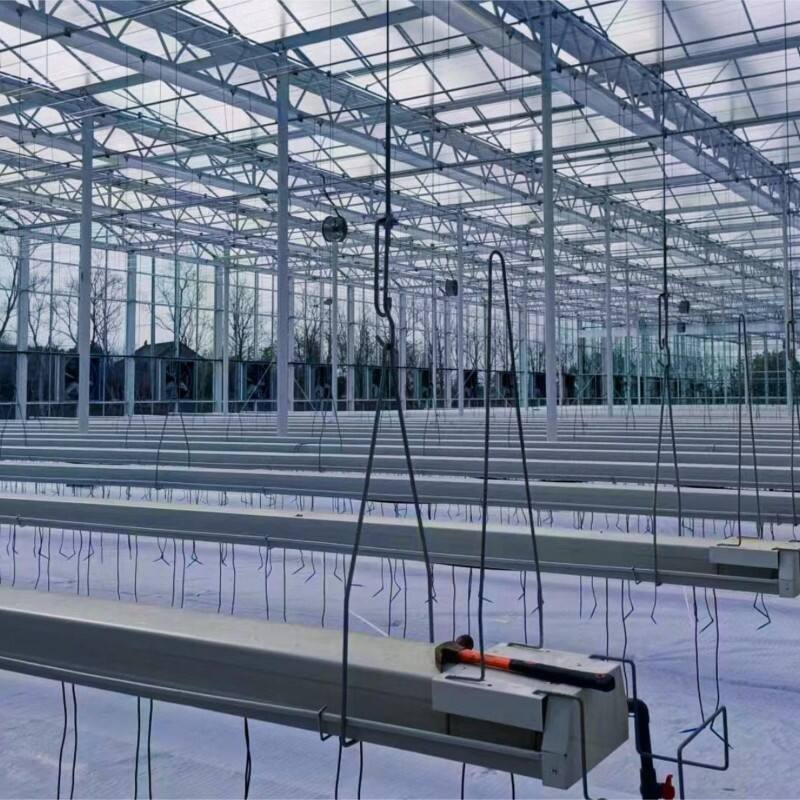
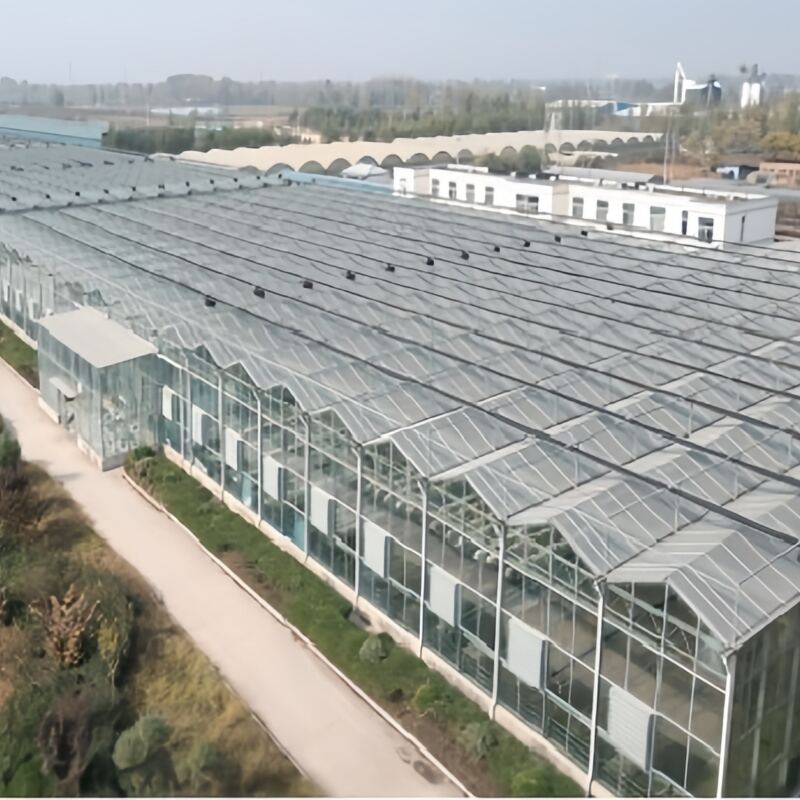
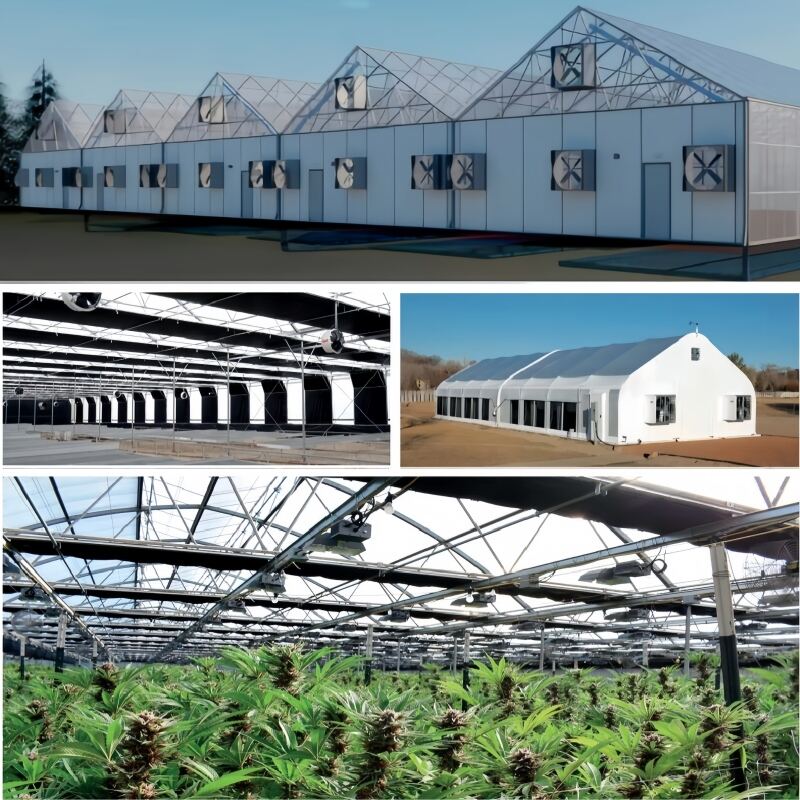
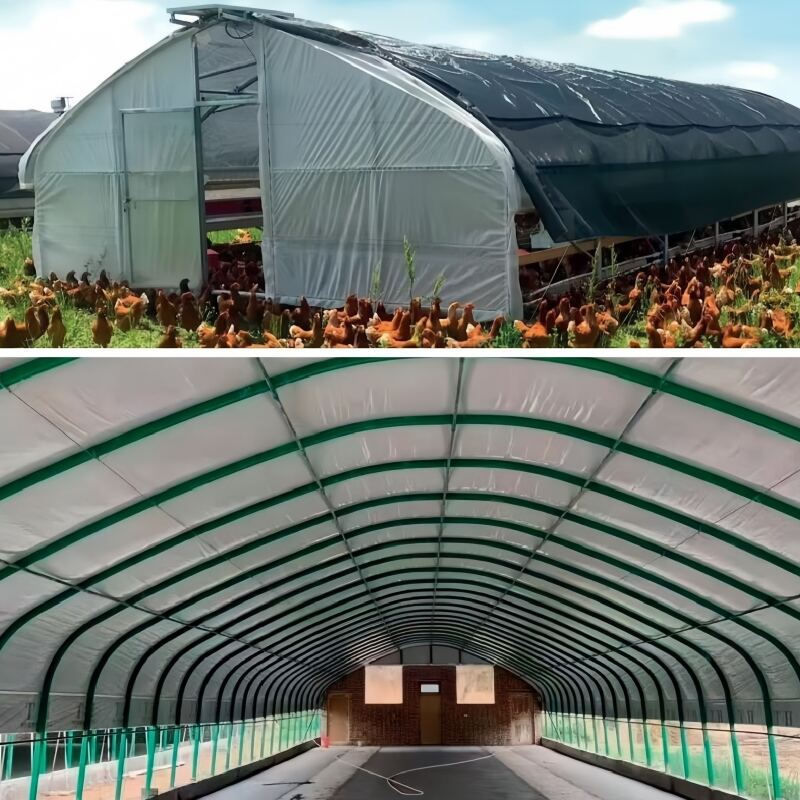
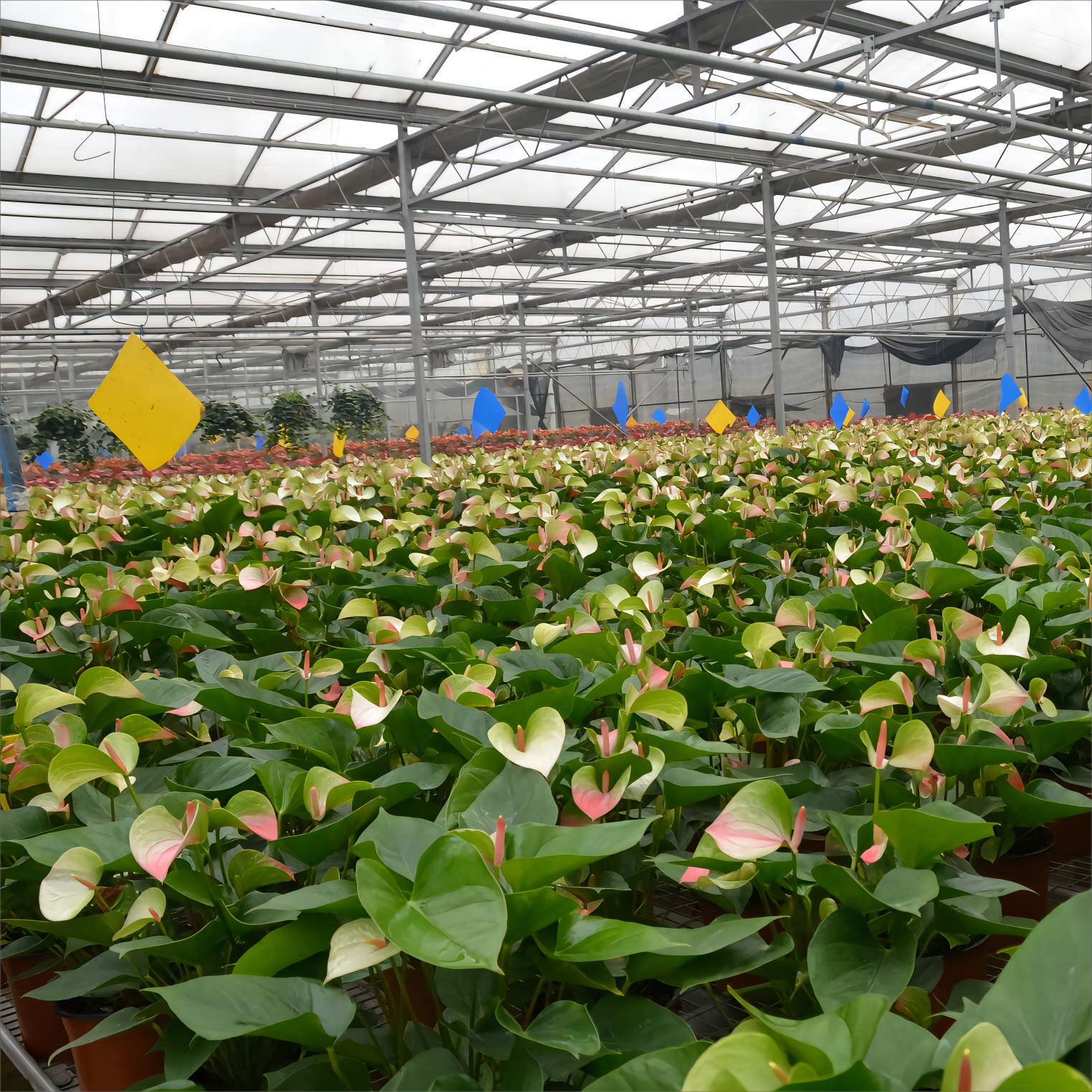
The exceptional crop protection capabilities of sun shade greenhouse structures deliver measurable improvements in plant health, yield consistency, and produce quality that directly translate to increased profitability for growers. The multi-layered protection system begins with specialized covering materials that filter harmful ultraviolet radiation while allowing beneficial light spectrums to penetrate, creating an optimal photosynthetic environment. This selective light filtering prevents sun scorch damage, reduces plant stress, and promotes healthy leaf development and fruit formation. The enclosed environment provides comprehensive protection against weather extremes including hailstorms, heavy rainfall, strong winds, and temperature fluctuations that can devastate open-field crops. Pest management becomes significantly more effective within the controlled sun shade greenhouse environment, as the physical barriers prevent many insects and larger pests from accessing crops while allowing beneficial insects to be introduced for biological control. Disease pressure reduces dramatically due to controlled humidity levels and improved air circulation, minimizing the conditions that promote fungal and bacterial infections. The protected environment enables extended harvest periods, allowing crops to reach full maturity without weather-related interruptions, resulting in higher-grade produce that commands premium market prices. Fruit and vegetable quality improvements include enhanced color development, improved texture, increased nutritional content, and extended post-harvest shelf life. The consistent growing conditions eliminate the stress factors that cause irregular sizing, scarring, or premature ripening in outdoor cultivation. Delicate crops such as leafy greens, herbs, and flowers maintain superior appearance and freshness when grown in sun shade greenhouse environments. The protection system also enables successful cultivation of high-value specialty crops that would be impossible to grow profitably in open fields due to their sensitivity to environmental conditions, opening new market opportunities for diversified farming operations.

 EN
EN