Solar Green House Systems: Sustainable Year-Round Growing with Advanced Solar Technology

Welcome To JYXD-greenhouse

Get a Free Quote

Our representative will contact you soon.
Email
Tel or Whatsapp
Name
Company Name
Message
0/1000

solar green house

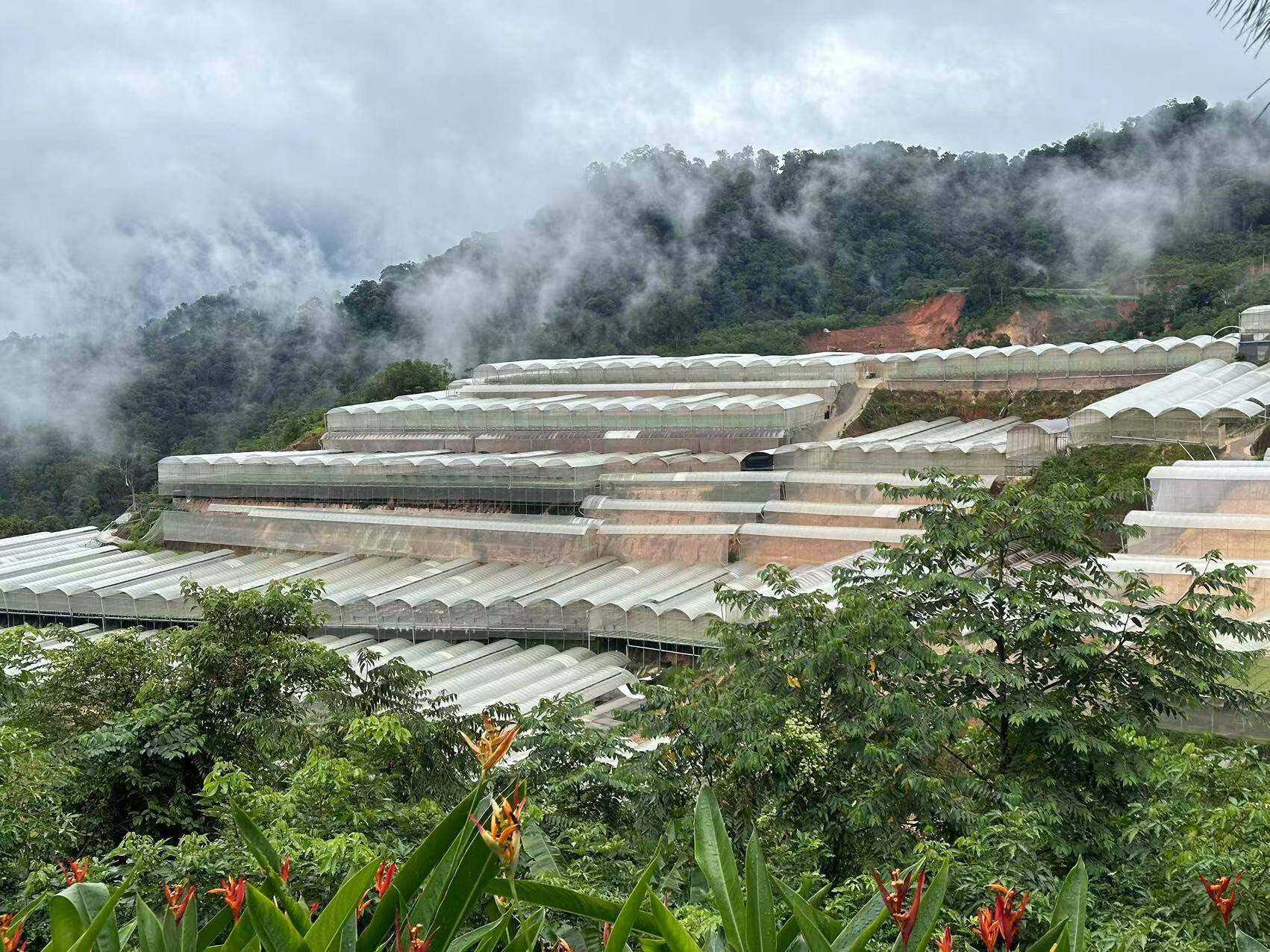
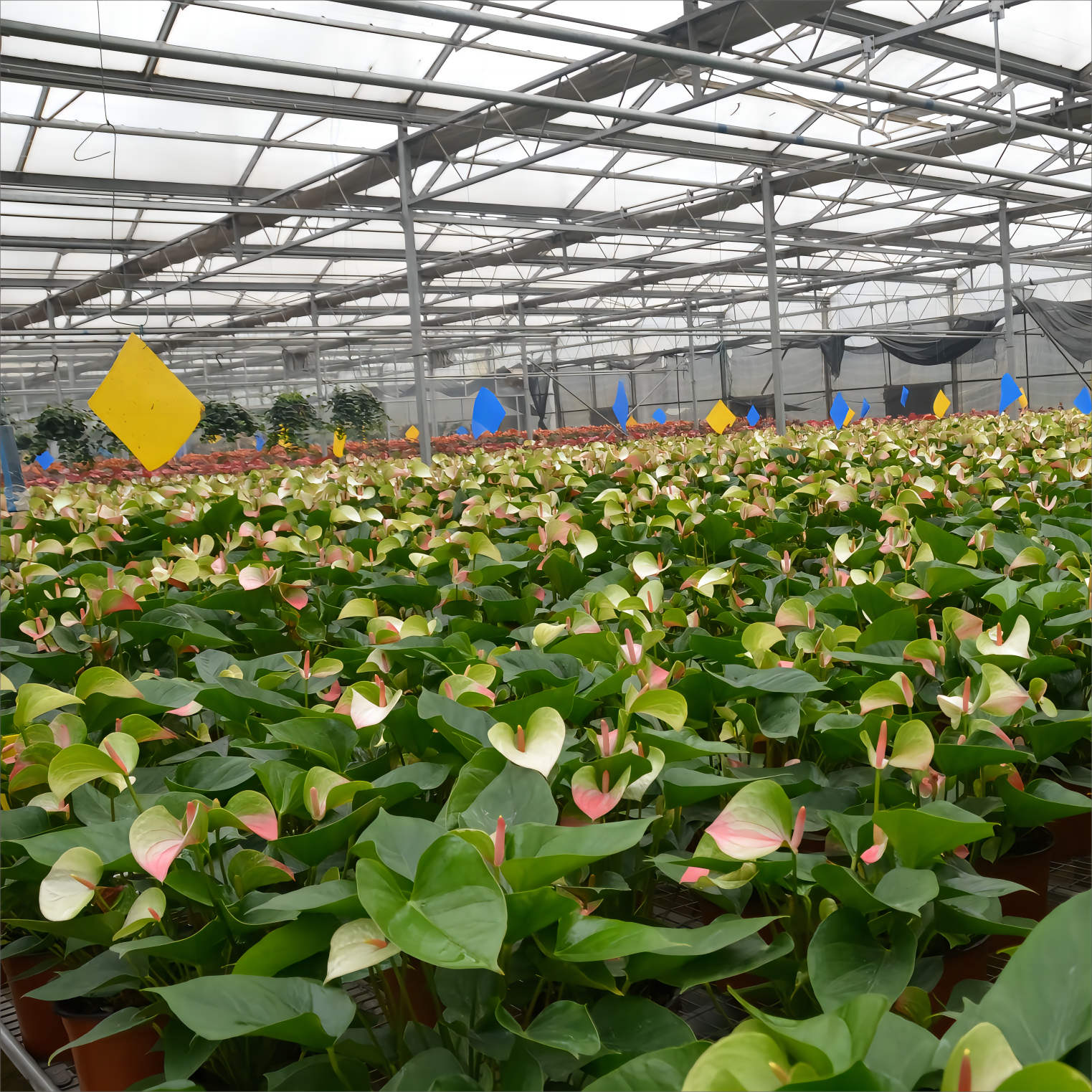
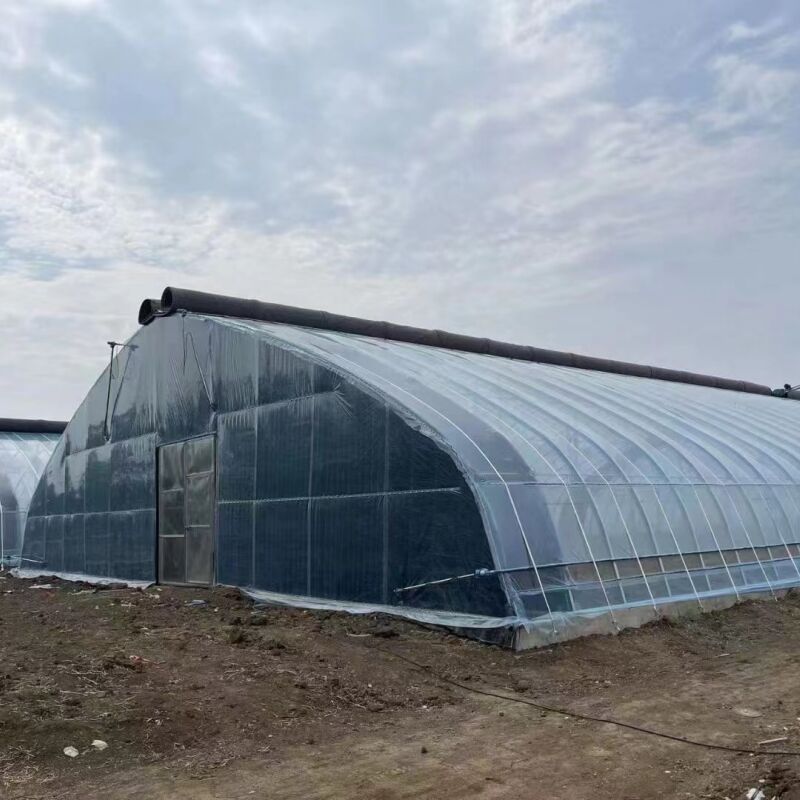
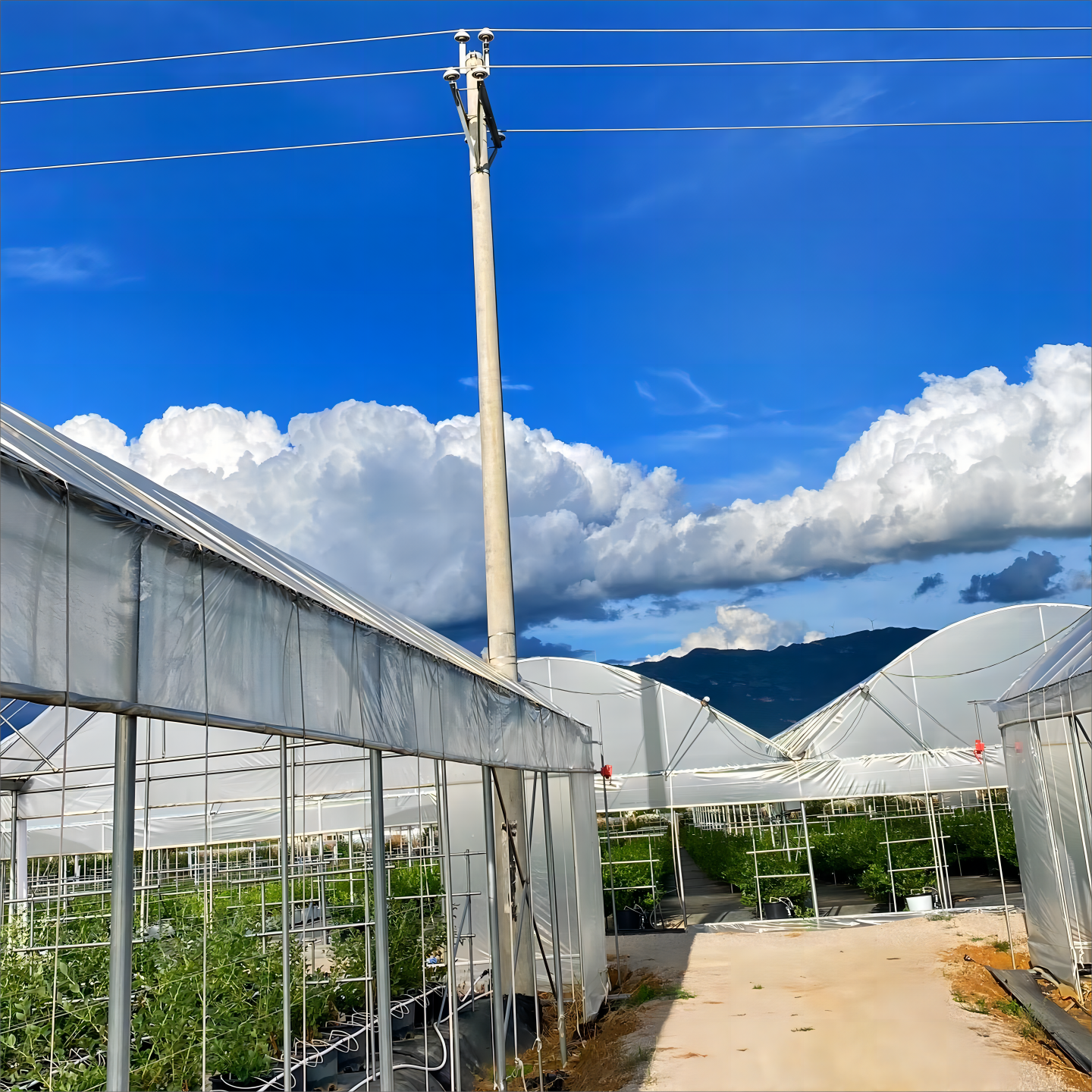
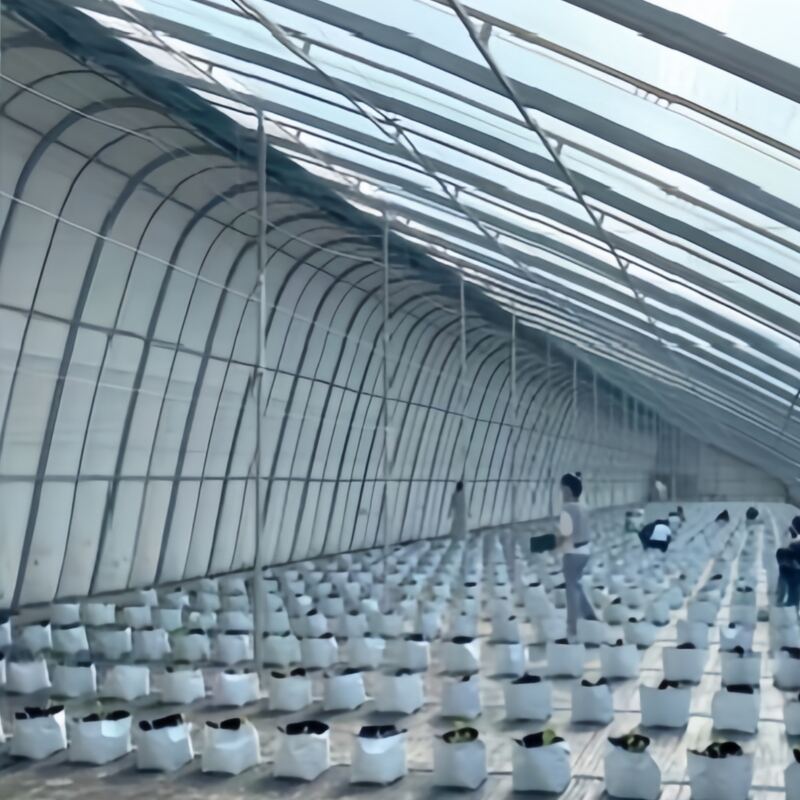
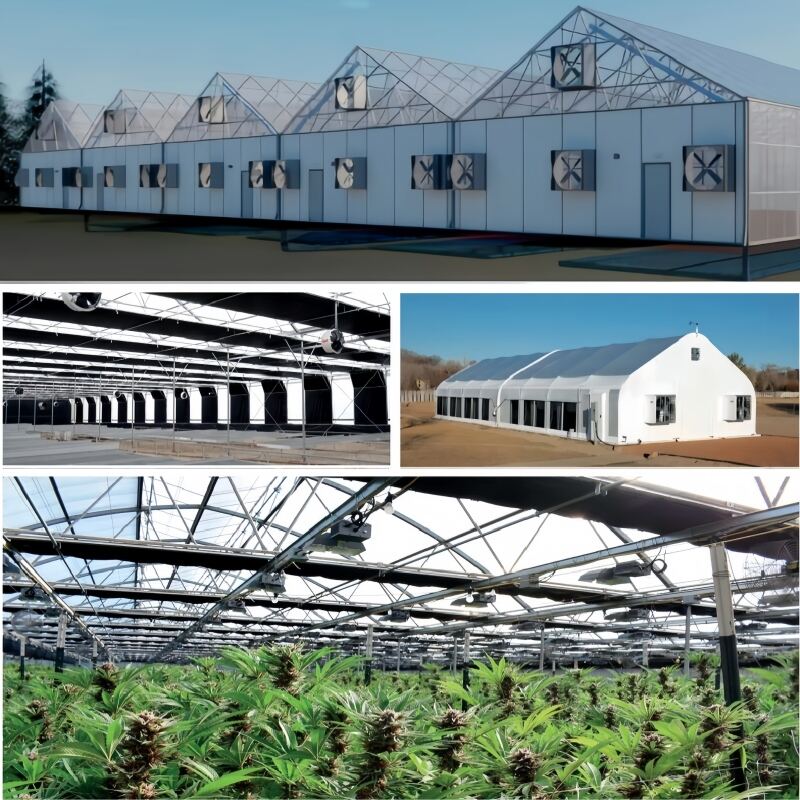
A solar green house represents an innovative fusion of traditional greenhouse cultivation methods with cutting-edge solar energy technology, creating a sustainable and efficient growing environment for year-round agricultural production. This advanced horticultural structure harnesses the power of the sun through integrated photovoltaic panels and thermal collection systems, transforming solar radiation into both electricity and heat for optimal plant growth conditions. The solar green house operates as a self-sustaining ecosystem that maximizes energy efficiency while minimizing environmental impact, making it an ideal solution for modern sustainable agriculture. The primary functions of a solar green house encompass climate control, energy generation, water management, and crop production optimization. These structures maintain precise temperature and humidity levels through automated systems powered by solar energy, ensuring consistent growing conditions regardless of external weather variations. The technological features include advanced solar panels integrated into the roof structure, thermal mass systems for heat storage, automated ventilation controls, and smart monitoring systems that track environmental parameters in real-time. Water-efficient irrigation systems, often incorporating recycled water collection and purification, further enhance the sustainability profile of these installations. Applications for solar green house technology span commercial agriculture, research facilities, educational institutions, and residential food production. Commercial growers utilize these systems to extend growing seasons, reduce operational costs, and meet increasing demand for locally-grown produce. Research institutions employ solar green house facilities to study plant biology, test new cultivation techniques, and develop climate-resilient crop varieties. Educational establishments integrate these structures into sustainability programs, providing hands-on learning opportunities about renewable energy and sustainable agriculture. Residential applications allow homeowners to grow fresh produce year-round while reducing their carbon footprint and energy costs.
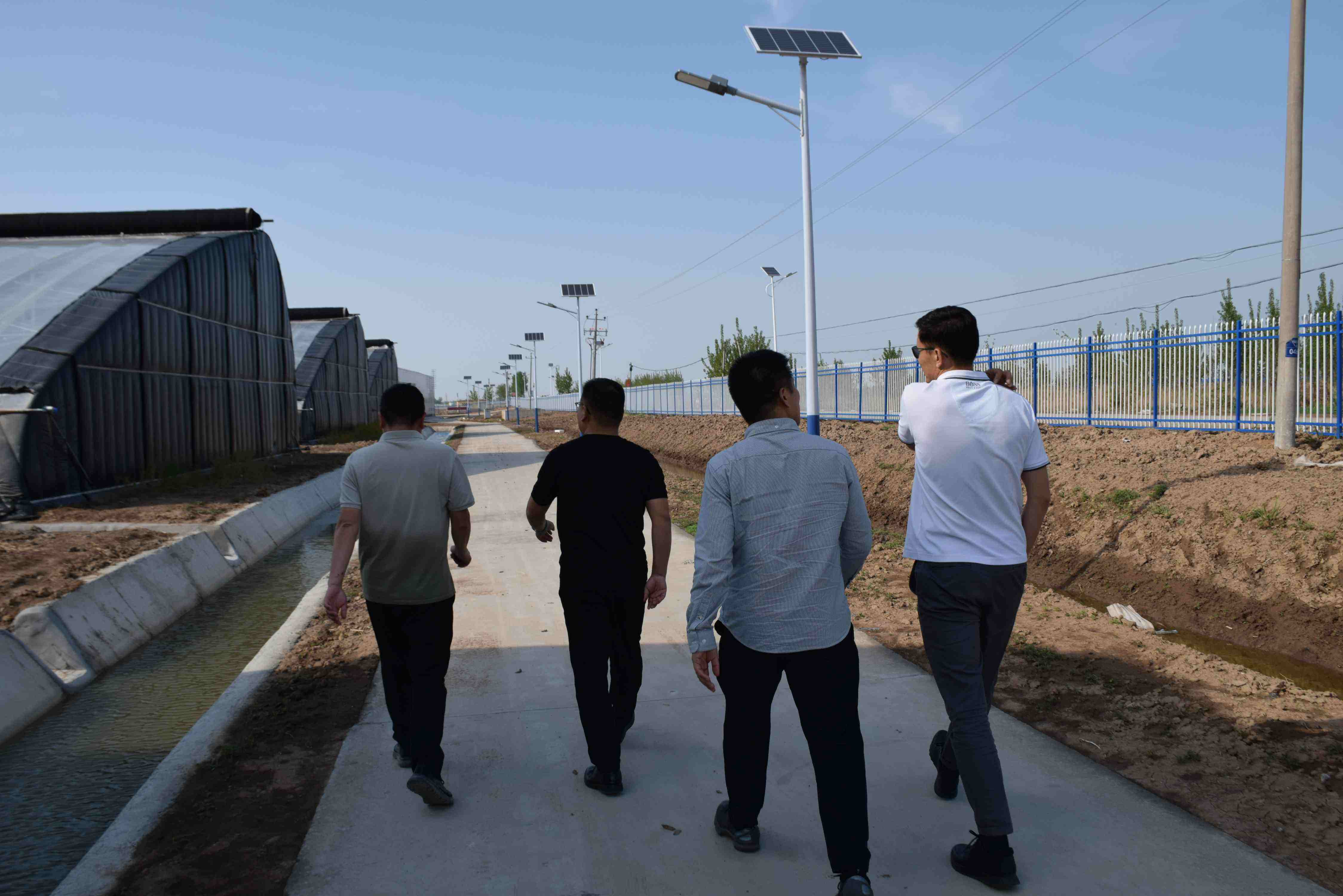
New Products

The solar green house delivers remarkable cost savings through reduced energy consumption and eliminated dependence on traditional power sources for heating, cooling, and lighting systems. Property owners experience significant reductions in monthly utility bills as the integrated solar panels generate clean electricity to power all greenhouse operations, from ventilation fans to irrigation pumps. This energy independence creates predictable operational costs and protection against fluctuating energy prices, making long-term financial planning more stable and reliable. Environmental benefits position the solar green house as a champion of sustainable agriculture, producing zero greenhouse gas emissions during operation while sequestering carbon through increased plant growth. The closed-loop system minimizes water waste through efficient recycling and collection methods, addressing growing concerns about water scarcity in agricultural regions. Food security advantages emerge through extended growing seasons that enable year-round production of fresh vegetables, herbs, and fruits regardless of local climate conditions. This consistent production capability reduces reliance on imported produce, supports local food systems, and provides families or businesses with reliable access to nutritious, pesticide-free crops. The controlled environment eliminates weather-related crop losses, ensuring predictable harvests and stable food supplies. Productivity enhancements result from optimized growing conditions that accelerate plant development and increase yields compared to traditional outdoor cultivation methods. Precise climate control allows for multiple harvests per year, maximizing the return on investment for each square foot of growing space. The solar green house protects crops from extreme weather events, pest infestations, and soil-borne diseases, reducing the need for chemical interventions and producing healthier, more marketable crops. Installation flexibility accommodates various property sizes and budgets, with modular designs that allow for future expansion as needs grow. Modern solar green house systems require minimal maintenance once installed, with automated controls reducing the time and labor needed for daily operations. The technology integrates seamlessly with smart home systems, enabling remote monitoring and control through mobile applications that provide real-time updates on growing conditions and energy production.

Tips And Tricks

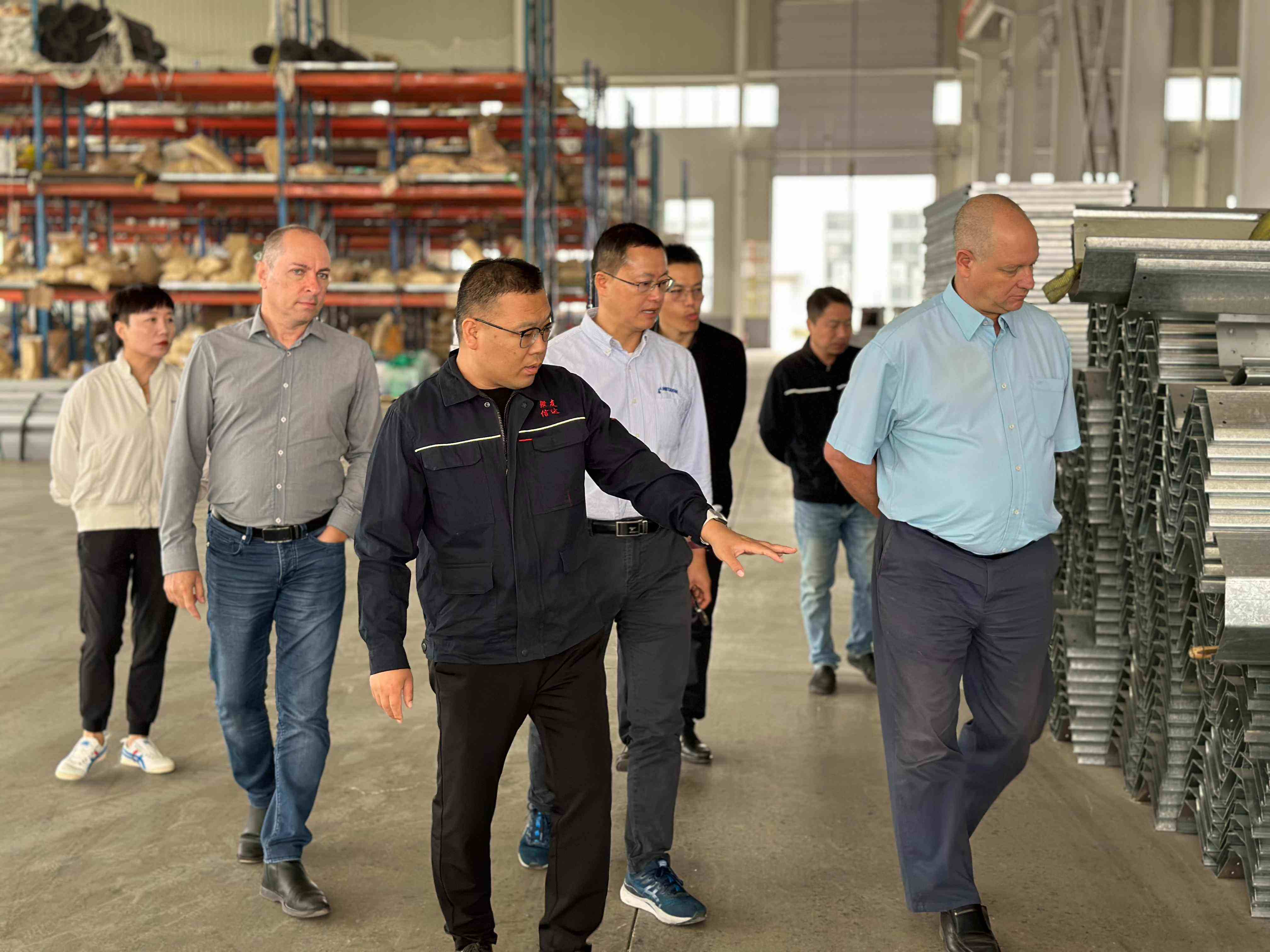
Forging a Powerful Alliance: Netafim and Juyou Xinda Unite to Reshape the Future of Smart Agriculture

28

Nov

Forging a Powerful Alliance: Netafim and Juyou Xinda Unite to Reshape the Future of Smart Agriculture

View More
Australian Greenhouse Company Visits Our Facilities to Explore New Collaboration on 50,000 Sq.m Strawberry Glass Greenhouse Project

28

Nov

Australian Greenhouse Company Visits Our Facilities to Explore New Collaboration on 50,000 Sq.m Strawberry Glass Greenhouse Project

View More
 Innovative Breakthrough: Our Company Successfully Delivers World's First Customized

28

Nov

Innovative Breakthrough: Our Company Successfully Delivers World's First Customized "Greenhouse for Fertilizer Drying" to Malaysian Client

View More

Get a Free Quote

Our representative will contact you soon.
Email
Tel or Whatsapp
Name
Company Name
Message
0/1000

solar green house

Advanced Energy Independence Through Integrated Solar Technology

Advanced Energy Independence Through Integrated Solar Technology

The solar green house achieves complete energy autonomy through sophisticated photovoltaic integration that eliminates reliance on external power sources while generating surplus electricity for other property needs. This revolutionary approach combines high-efficiency solar panels seamlessly integrated into the greenhouse roof structure with advanced battery storage systems that ensure continuous operation during cloudy periods or nighttime hours. The photovoltaic array captures maximum solar radiation throughout the day, converting sunlight into clean electricity that powers all greenhouse functions including heating, ventilation, irrigation, and monitoring systems. Smart energy management controllers optimize power distribution, automatically adjusting energy consumption based on available solar generation and stored battery capacity. During peak production periods, excess electricity can be fed back into the grid through net metering programs, creating additional revenue streams for property owners. The integrated thermal collection system works alongside photovoltaic panels to capture and store heat energy in thermal mass materials such as water tanks or concrete blocks, releasing stored warmth during cooler periods to maintain optimal growing temperatures. This dual-energy approach maximizes the utilization of available solar resources while providing redundant heating methods for enhanced reliability. Advanced inverter technology ensures stable power delivery to sensitive electronic equipment, while surge protection systems safeguard valuable growing equipment from power fluctuations. The energy independence provided by solar green house technology offers protection against power outages that could otherwise devastate temperature-sensitive crops, making it an invaluable asset for serious growers who cannot afford production losses. Long-term financial benefits compound over time as energy costs continue to rise while solar technology costs continue to decline, creating an increasingly favorable return on investment that enhances property values and reduces operational expenses.
Precision Climate Control for Optimal Growing Conditions

Precision Climate Control for Optimal Growing Conditions

The solar green house employs sophisticated environmental management systems that maintain perfect growing conditions through automated climate control technologies that respond instantly to changing conditions both inside and outside the structure. Advanced sensor networks continuously monitor temperature, humidity, light levels, soil moisture, and air quality throughout the growing space, feeding real-time data to computerized control systems that make micro-adjustments to maintain optimal conditions for plant health and productivity. Automated ventilation systems utilize temperature differentials and natural convection to regulate air circulation, preventing stagnation and ensuring adequate carbon dioxide levels for photosynthesis while expelling excess moisture that could promote fungal diseases. Heating systems activated by solar thermal energy or photovoltaic-powered heat pumps maintain consistent temperatures during cold periods, while evaporative cooling and shading systems prevent overheating during hot weather. Humidity control mechanisms including misting systems and dehumidifiers work in coordination to maintain ideal moisture levels that promote healthy plant growth without encouraging pathogen development. Light supplementation systems using energy-efficient LED fixtures powered by solar electricity extend daylight hours during short winter days, ensuring consistent photosynthetic activity and accelerated growth rates. The precision climate control capabilities enable growers to create microclimates suited to specific crop requirements, allowing cultivation of diverse plant varieties within the same structure by creating zones with different environmental parameters. Programmable controllers allow users to establish custom growing profiles for different crops, automatically adjusting environmental conditions throughout different growth stages to maximize yield and quality. Remote monitoring capabilities through internet-connected systems enable users to track and adjust greenhouse conditions from anywhere, receiving alerts about potential problems before they impact crop health. This level of environmental control virtually eliminates weather-related crop failures while extending growing seasons and enabling cultivation of crops that would otherwise be impossible in local climatic conditions.
Sustainable Water Management and Resource Conservation

Sustainable Water Management and Resource Conservation

The solar green house incorporates comprehensive water management systems that maximize efficiency while minimizing waste through innovative collection, treatment, and recycling technologies powered entirely by renewable solar energy. Rainwater harvesting systems integrated into the greenhouse roof structure capture and store precipitation in dedicated reservoirs, providing a sustainable water source that reduces dependence on municipal water supplies or groundwater resources. Advanced filtration and purification systems powered by solar electricity treat collected rainwater to remove contaminants and adjust pH levels, ensuring optimal water quality for plant irrigation while protecting sensitive root systems from harmful substances. Closed-loop irrigation systems featuring drip emitters, micro-sprinklers, and hydroponic circulation pumps deliver precise amounts of water directly to plant root zones, minimizing evaporation losses and eliminating runoff that could carry nutrients away from growing areas. Automated irrigation controllers programmed with crop-specific watering schedules adjust delivery timing and quantities based on real-time soil moisture readings, preventing both water stress and overwatering conditions that can damage plants or waste resources. Nutrient recycling systems capture and process plant waste, converting organic matter into liquid fertilizers that can be reintroduced into the irrigation system, creating a circular economy that minimizes external inputs while maximizing resource utilization. Evapotranspiration collection systems recover moisture released by plants, condensing water vapor on specially designed surfaces and channeling recovered water back into storage tanks for reuse. Greywater treatment capabilities allow integration with household water systems, processing and purifying wastewater from sinks and showers for safe use in plant irrigation after appropriate treatment through solar-powered filtration systems. Smart monitoring systems track water usage patterns, identifying opportunities for further conservation while ensuring adequate hydration for optimal plant health and productivity. The comprehensive water management approach reduces overall consumption by up to seventy percent compared to traditional greenhouse operations while providing superior growing conditions that enhance crop quality and yield potential through precise nutrient delivery and optimal root zone conditions.

Get a Free Quote

Our representative will contact you soon.
Email
Tel or Whatsapp
Name
Company Name
Message
0/1000