chinese style solar greenhouse
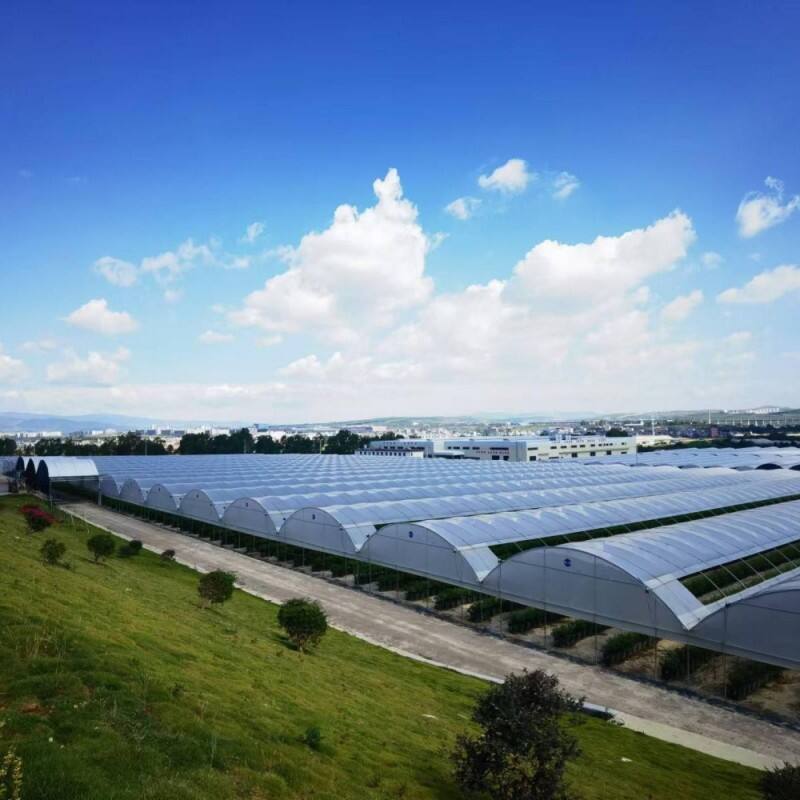
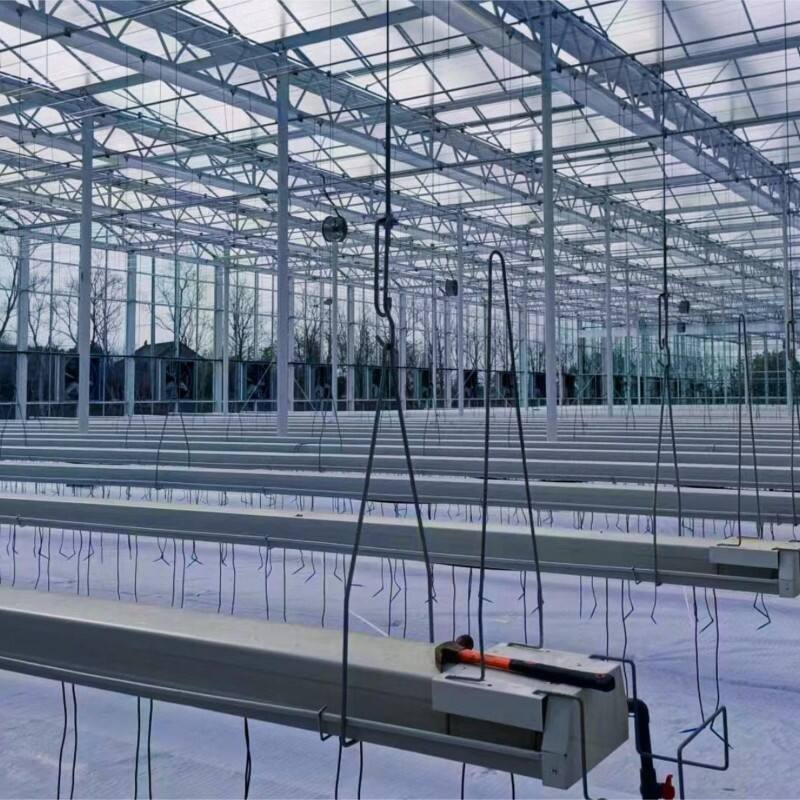
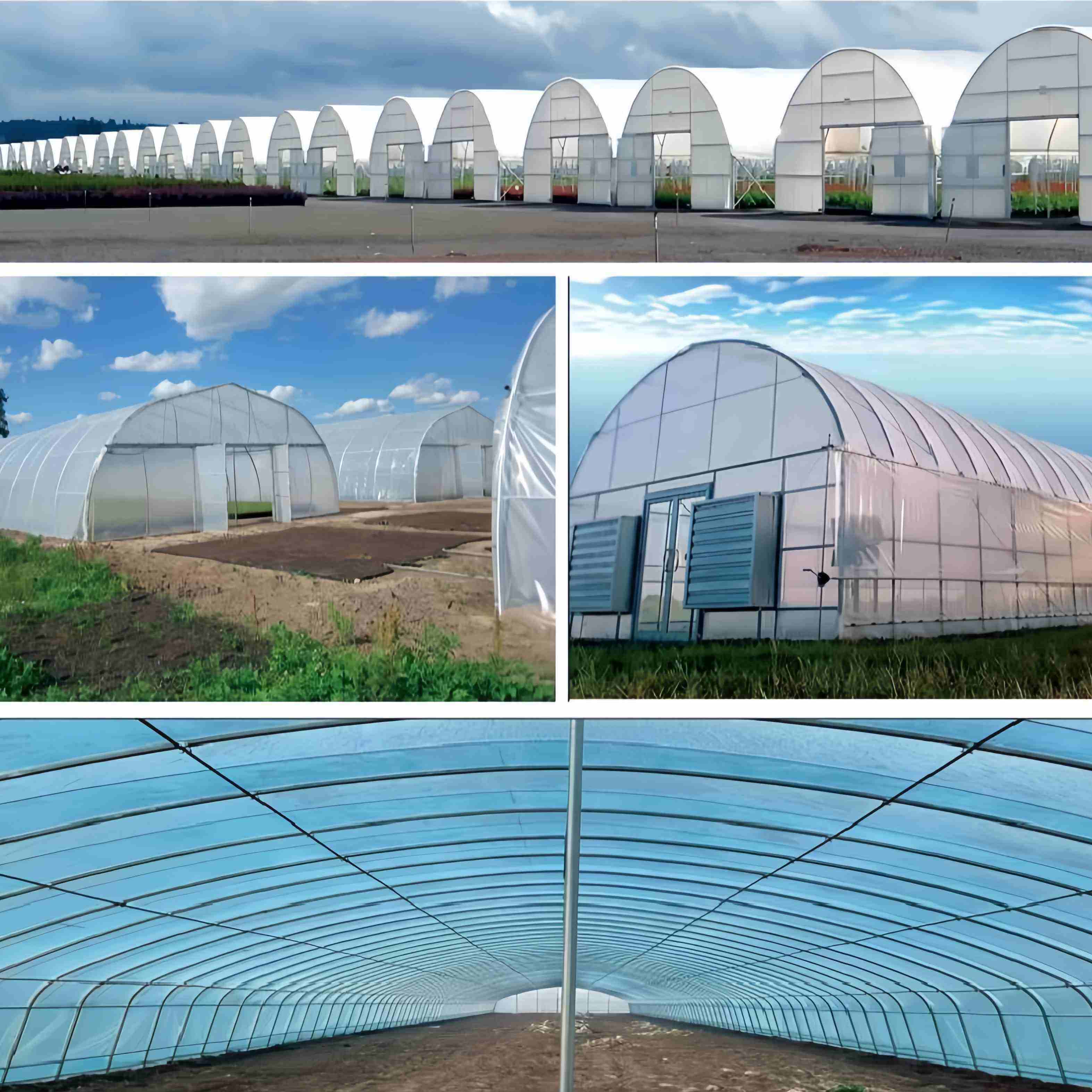
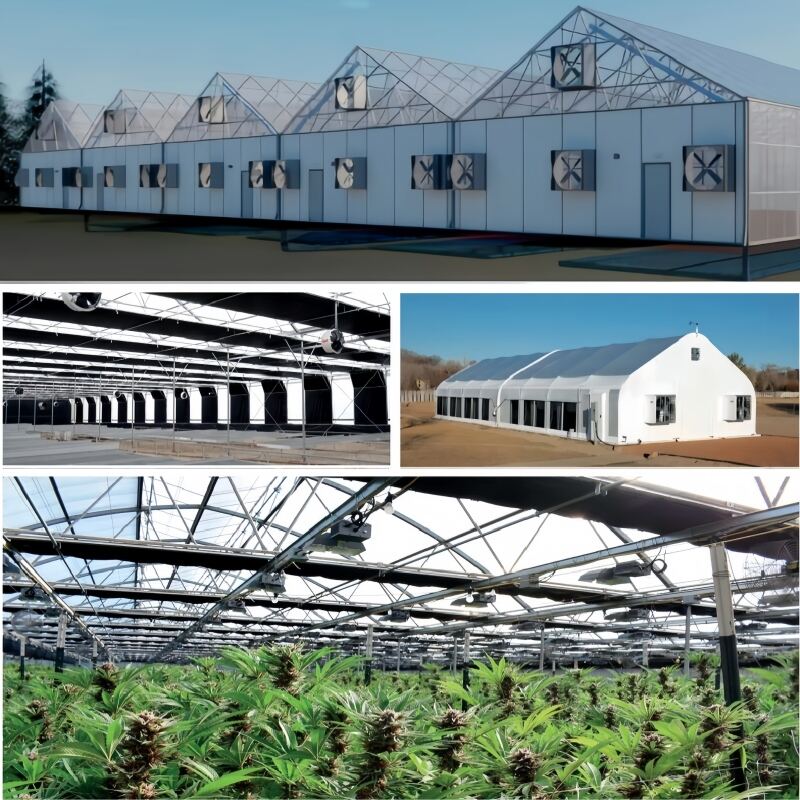
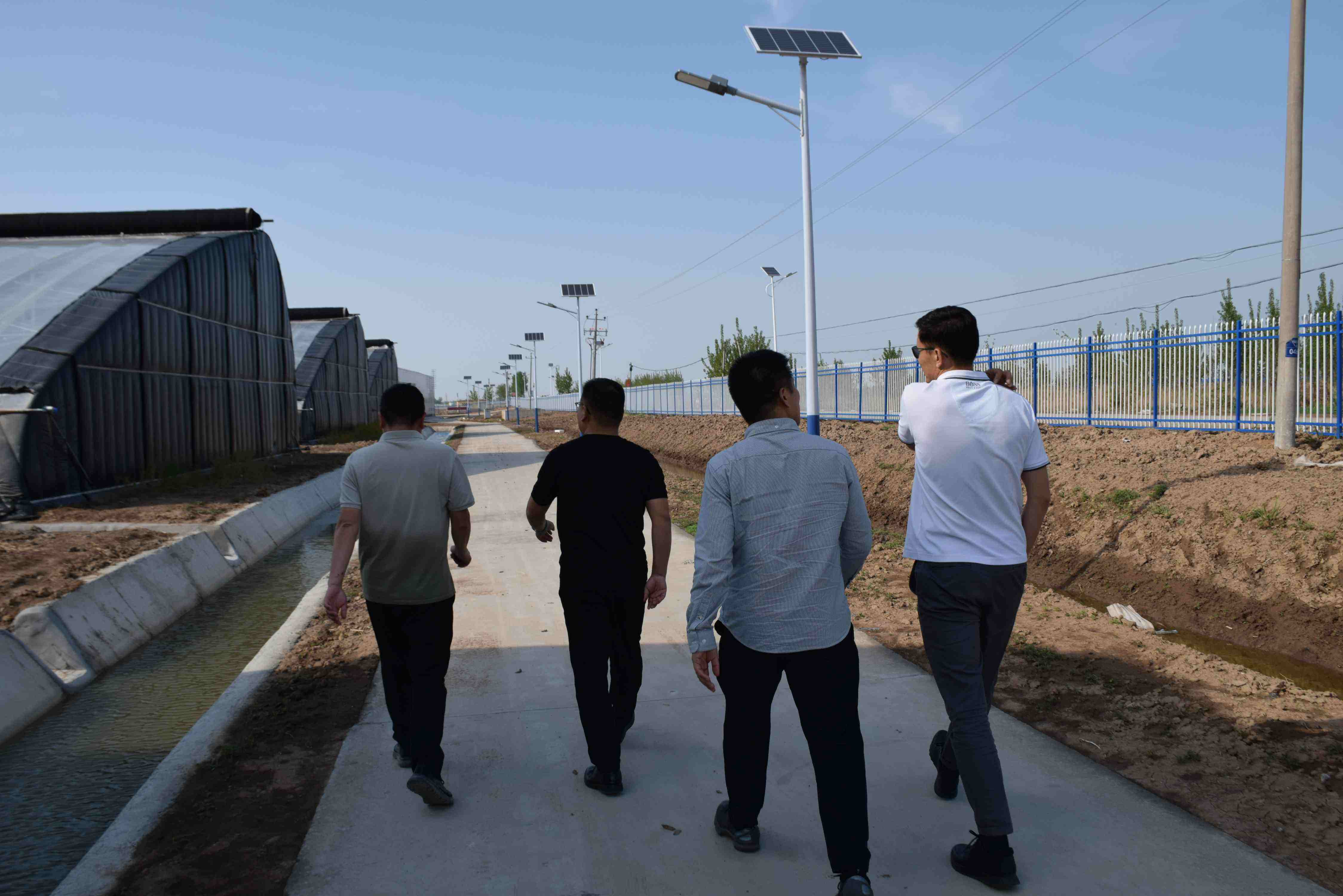
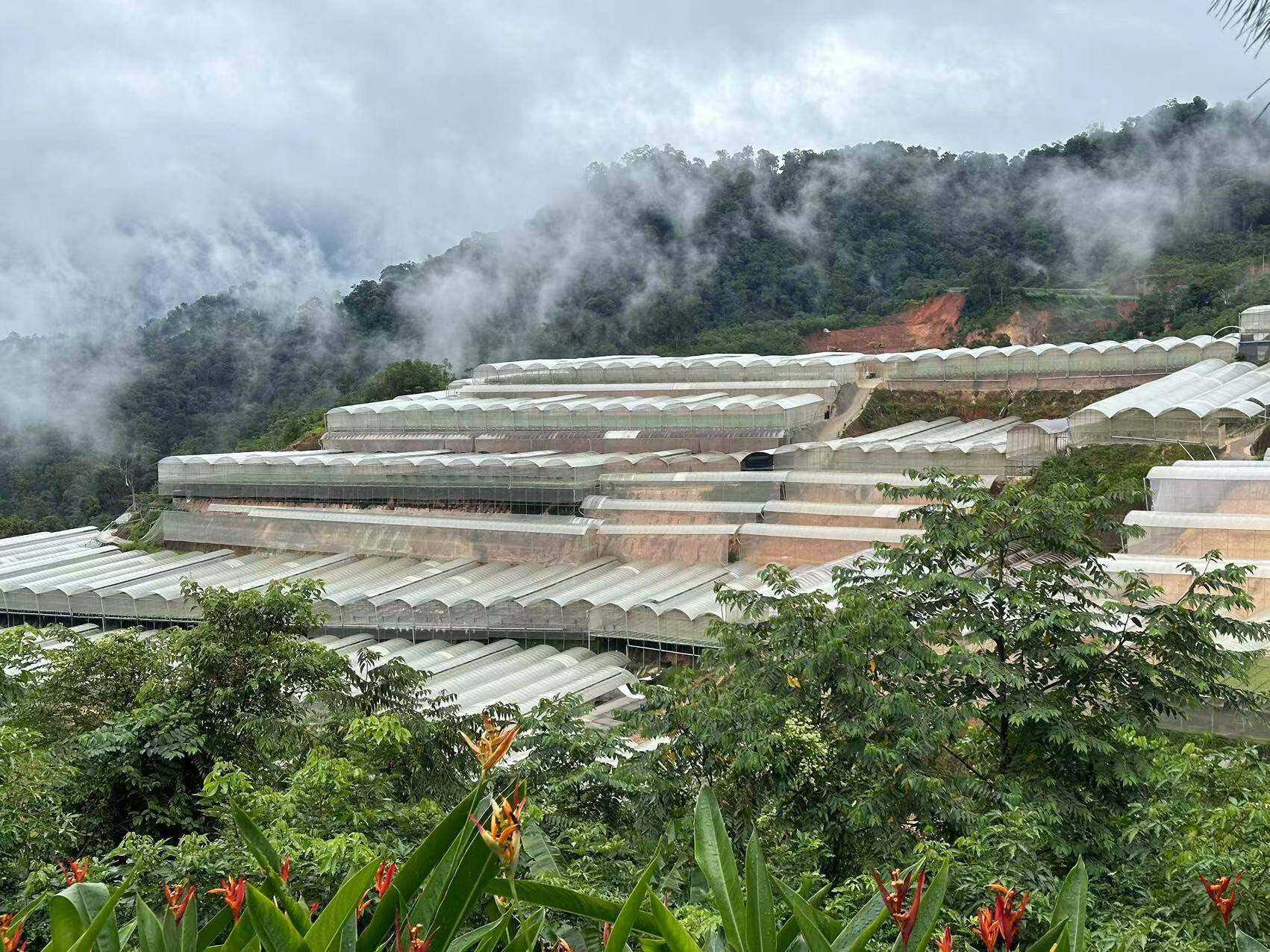
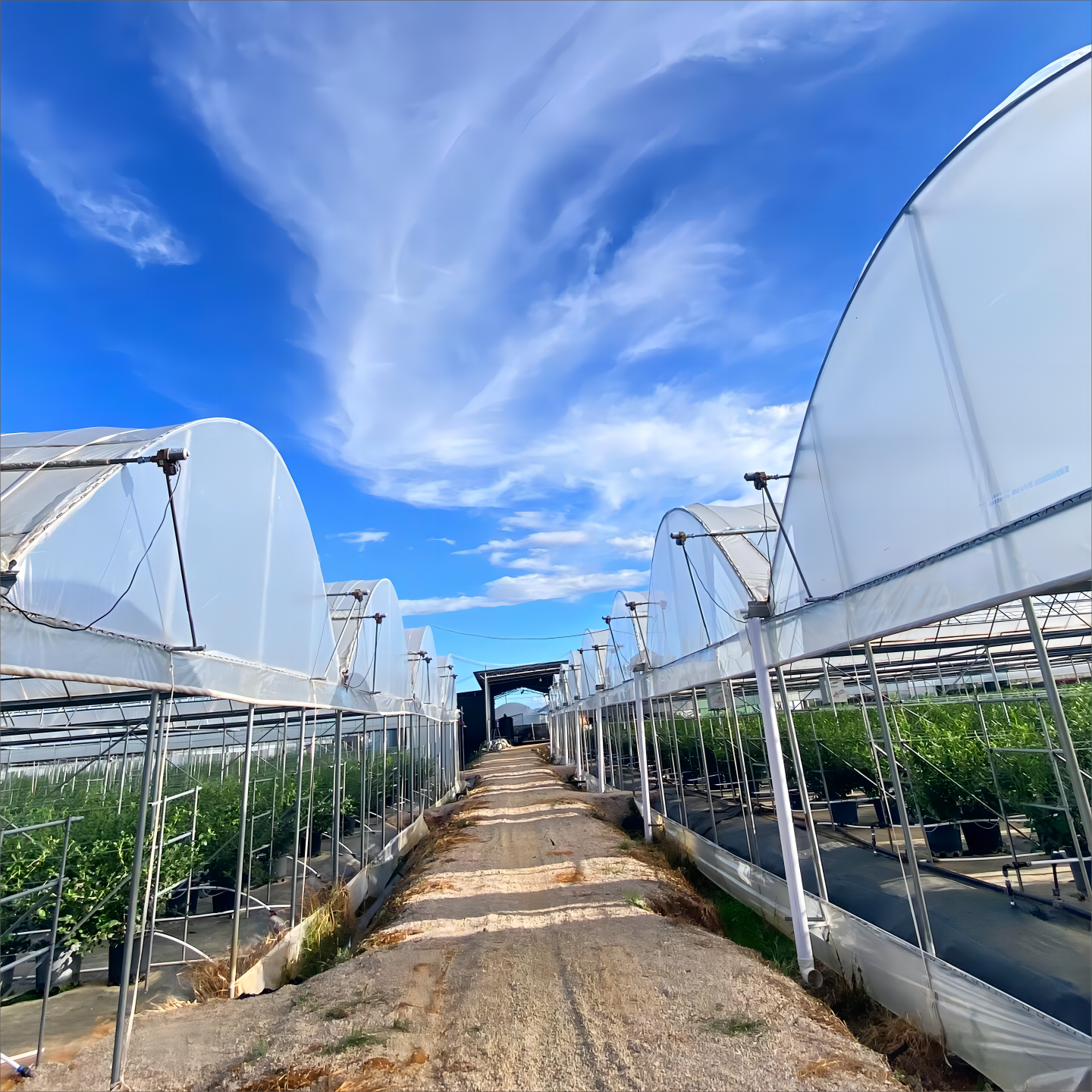
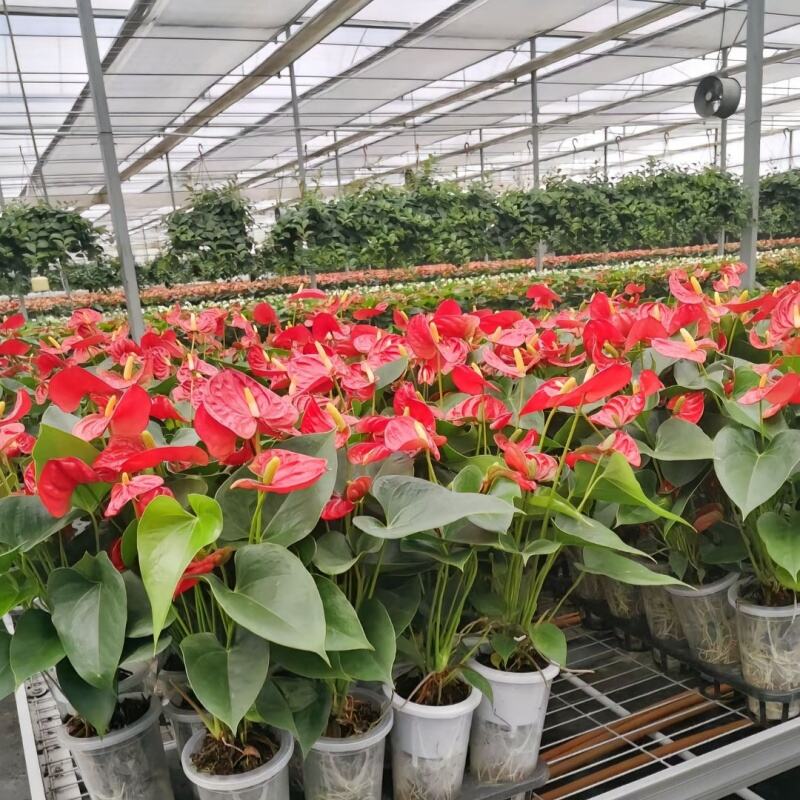
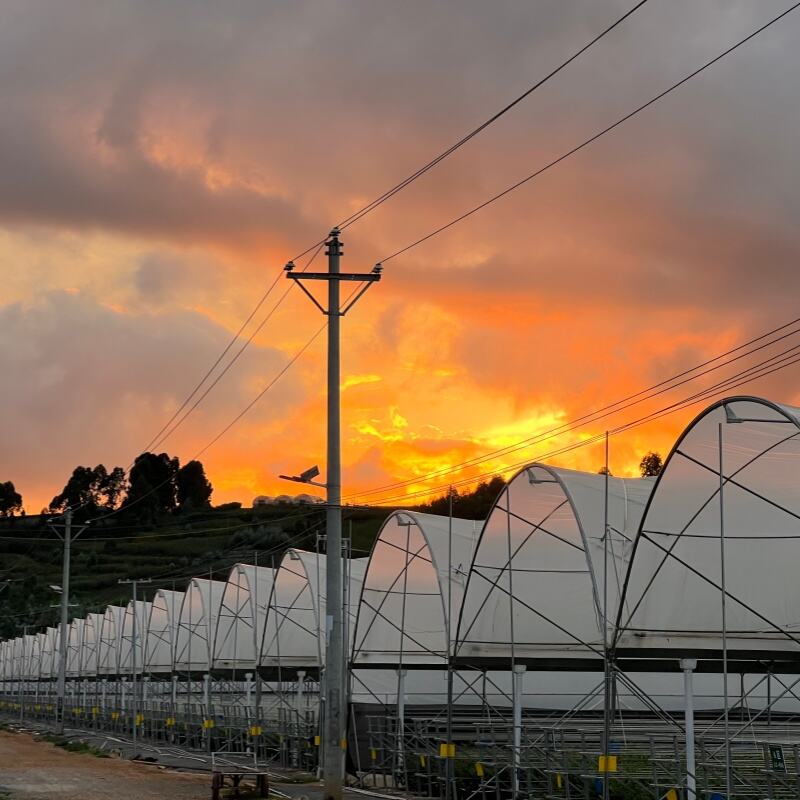
The Chinese style solar greenhouse represents a revolutionary approach to controlled environment agriculture, combining traditional greenhouse principles with innovative solar energy utilization techniques. This sophisticated agricultural structure utilizes passive solar heating systems and advanced thermal management to create optimal growing conditions throughout the year. The Chinese style solar greenhouse features a distinctive asymmetrical design with a south-facing transparent wall that maximizes solar radiation capture while incorporating thick north walls for superior thermal mass and insulation properties. The main functions of this greenhouse system include extending growing seasons, protecting crops from harsh weather conditions, reducing heating costs, and enabling year-round cultivation of various crops including vegetables, fruits, and ornamental plants. Technologically, the Chinese style solar greenhouse incorporates several key features such as double-layer or triple-layer glazing systems for enhanced heat retention, automated ventilation systems for temperature regulation, and thermal curtain systems for nighttime insulation. The structure typically includes water-filled thermal masses or rock beds that store solar energy during daytime hours and release heat gradually during cooler periods. Advanced models integrate computerized climate control systems, humidity management equipment, and LED supplemental lighting to optimize plant growth conditions. Applications of the Chinese style solar greenhouse span across commercial agriculture, research facilities, educational institutions, and residential gardening. These structures prove particularly valuable in regions with cold winters or extreme temperature variations, enabling farmers to maintain consistent production schedules regardless of external weather conditions. The Chinese style solar greenhouse technology has gained international recognition for its energy efficiency, cost-effectiveness, and environmental sustainability, making it an attractive solution for modern agricultural operations seeking to reduce carbon footprints while maximizing crop yields.
 EN
EN