Complete Guide to Greenhouse Types and Structures: Modern Solutions for Year-Round Growing

Welcome To JYXD-greenhouse

Get a Free Quote

Our representative will contact you soon.
Email
Tel or Whatsapp
Name
Company Name
Message
0/1000

greenhouse types and structures

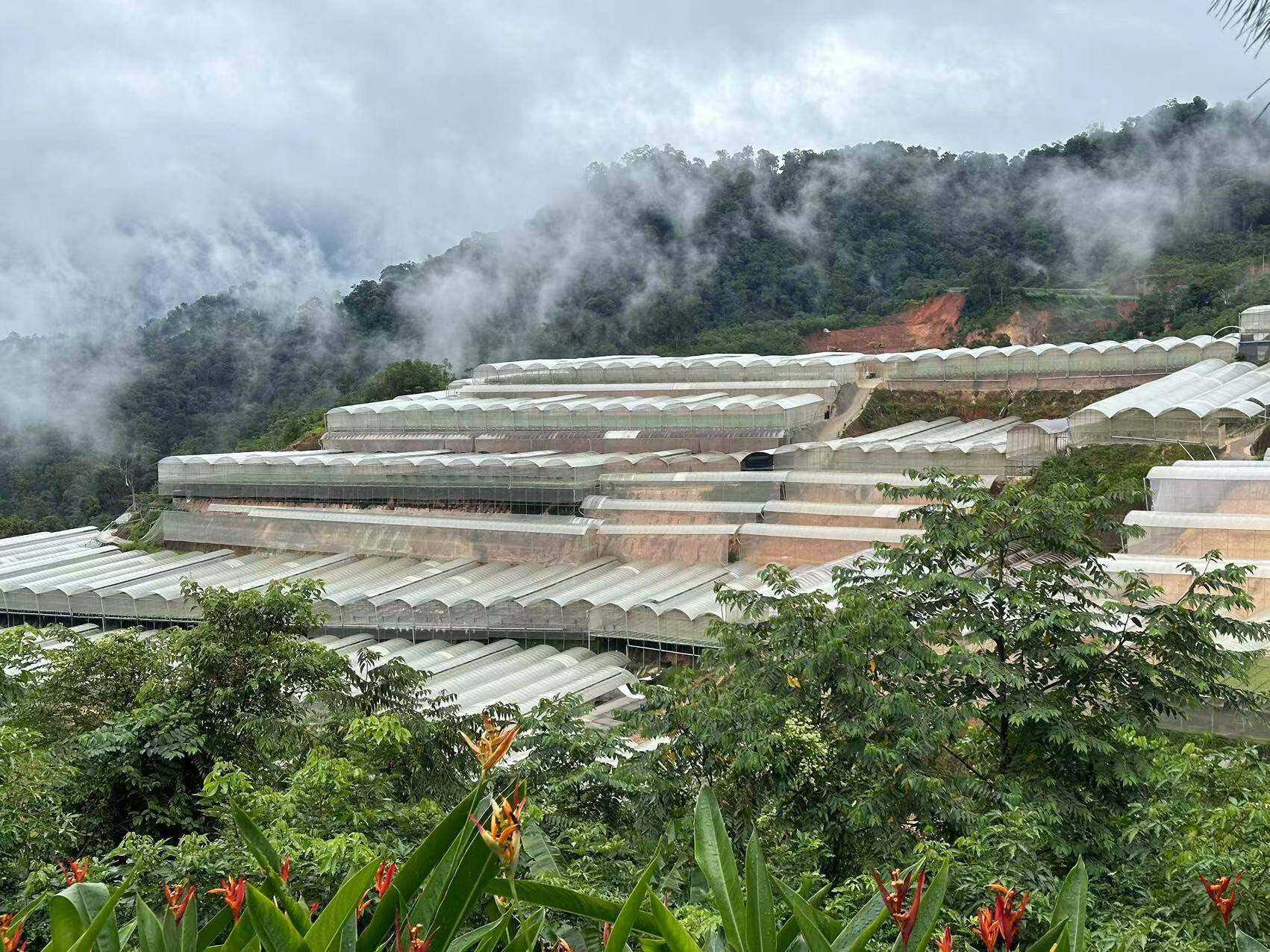
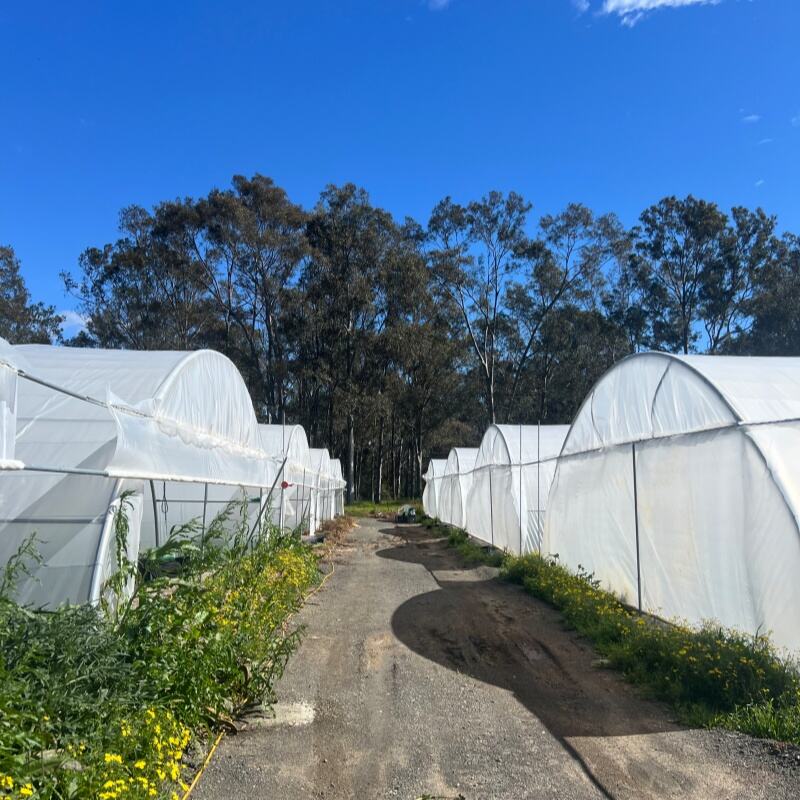
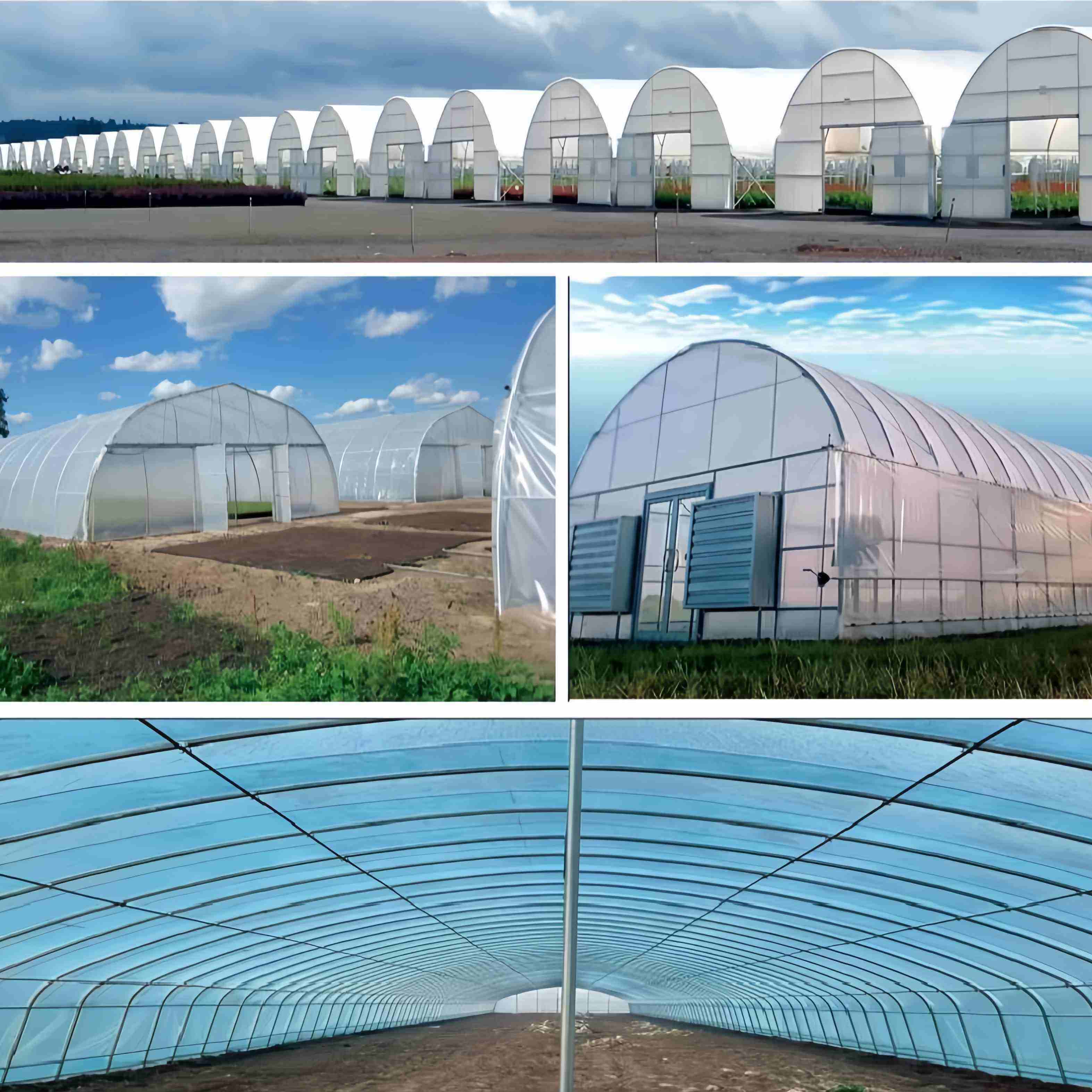
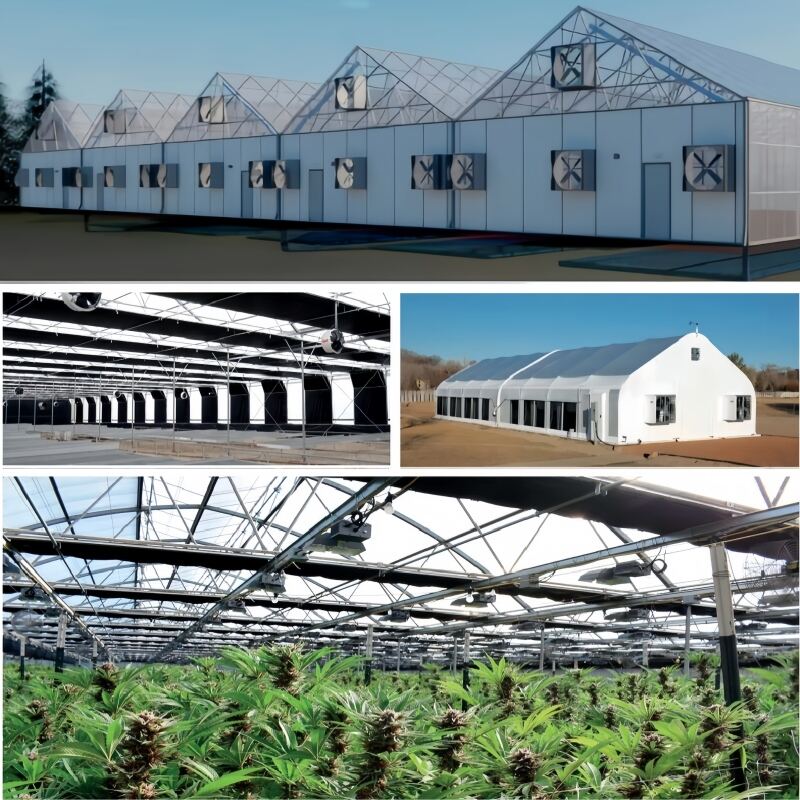
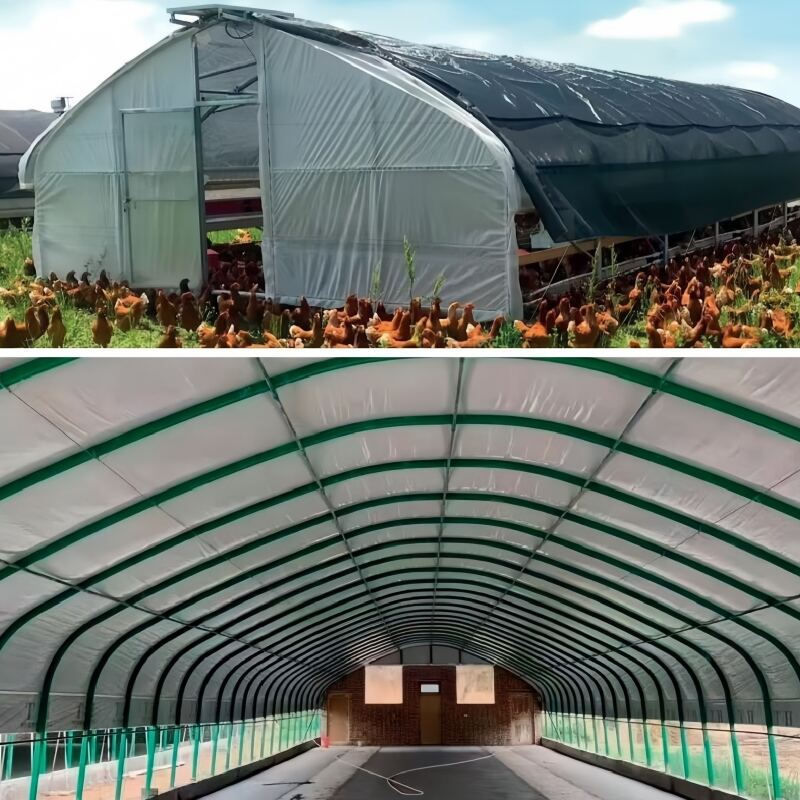
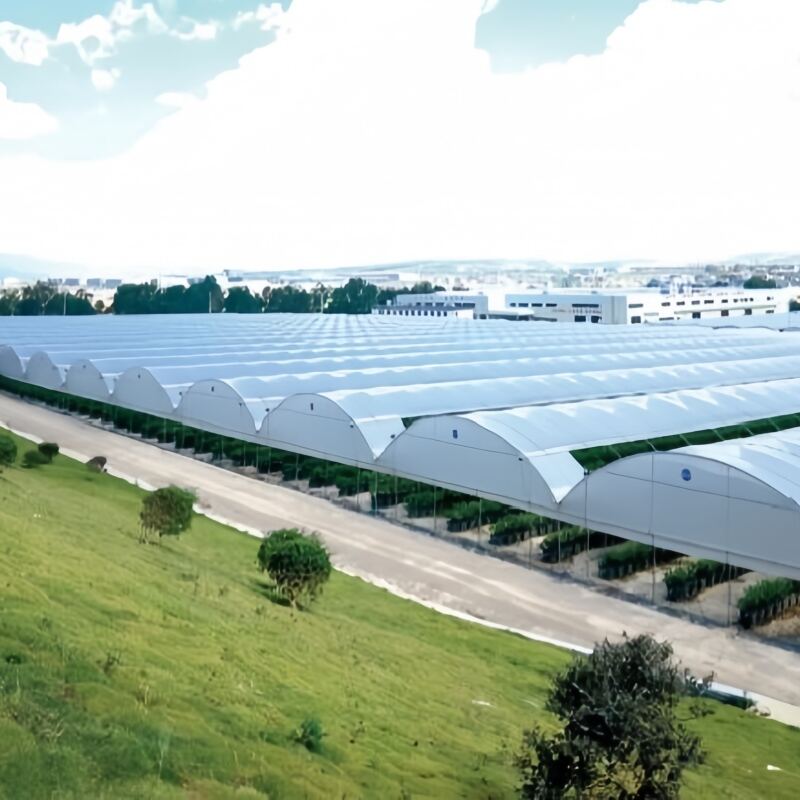
Greenhouse types and structures represent sophisticated agricultural solutions designed to create controlled environments for optimal plant growth throughout various seasons and climates. These engineered systems encompass multiple categories, each tailored to specific growing requirements, budget considerations, and operational scales. Traditional greenhouse types and structures include glass houses, polycarbonate structures, polyethylene tunnels, and high-tech hydroponic facilities. Glass greenhouse types and structures offer exceptional light transmission and durability, making them ideal for commercial operations requiring long-term investments. Polycarbonate greenhouse types and structures provide excellent insulation properties while maintaining superior impact resistance compared to glass alternatives. Polyethylene greenhouse types and structures deliver cost-effective solutions for seasonal growing or budget-conscious operations. Modern greenhouse types and structures incorporate advanced climate control systems, automated irrigation networks, and sophisticated ventilation mechanisms. These technological features enable precise temperature regulation, humidity management, and air circulation control. Contemporary greenhouse types and structures often integrate smart sensors, computerized monitoring systems, and remote management capabilities. The structural frameworks vary from aluminum profiles to galvanized steel constructions, each offering distinct advantages in terms of strength, corrosion resistance, and thermal properties. Greenhouse types and structures serve diverse applications across commercial agriculture, research institutions, educational facilities, and residential gardening. Commercial growers utilize large-scale greenhouse types and structures for year-round production of vegetables, herbs, flowers, and specialty crops. Research facilities employ controlled greenhouse types and structures for experimental studies and plant breeding programs. Educational institutions implement greenhouse types and structures as teaching tools for horticultural programs and botanical studies.
New Products

Greenhouse types and structures deliver numerous practical benefits that revolutionize agricultural productivity and crop quality management. These controlled environments extend growing seasons significantly, allowing farmers to produce fresh crops throughout winter months when outdoor cultivation becomes impossible. This seasonal extension capability increases annual revenue potential by enabling multiple harvest cycles per year. Greenhouse types and structures protect crops from adverse weather conditions including storms, hail, excessive rainfall, and temperature extremes that could devastate outdoor plantings. This protection reduces crop losses and ensures consistent yields regardless of external climate fluctuations. Water conservation represents another major advantage of greenhouse types and structures, as enclosed systems enable precise irrigation control and prevent water waste through evaporation. Advanced greenhouse types and structures incorporate drip irrigation and hydroponic systems that reduce water consumption by up to seventy percent compared to traditional farming methods. Pest and disease management becomes significantly easier within greenhouse types and structures due to controlled access points and isolated growing environments. This containment reduces the need for chemical pesticides while enabling targeted treatment approaches when issues arise. Greenhouse types and structures facilitate optimal nutrient delivery through controlled soil conditions or soilless growing media, resulting in healthier plants and higher yields per square foot. Labor efficiency improves dramatically within greenhouse types and structures as workers operate in comfortable conditions year-round, leading to increased productivity and reduced employee turnover. Quality control reaches superior levels in greenhouse types and structures where environmental factors remain consistent, producing uniform crops that meet strict market standards. Market advantages emerge from greenhouse types and structures enabling off-season production when prices typically peak due to limited supply. These facilities support sustainable farming practices by reducing land requirements while maximizing output per cultivated area, making them environmentally responsible choices for modern agriculture.

Latest News

Forging a Powerful Alliance: Netafim and Juyou Xinda Unite to Reshape the Future of Smart Agriculture

28

Nov

Forging a Powerful Alliance: Netafim and Juyou Xinda Unite to Reshape the Future of Smart Agriculture

View More
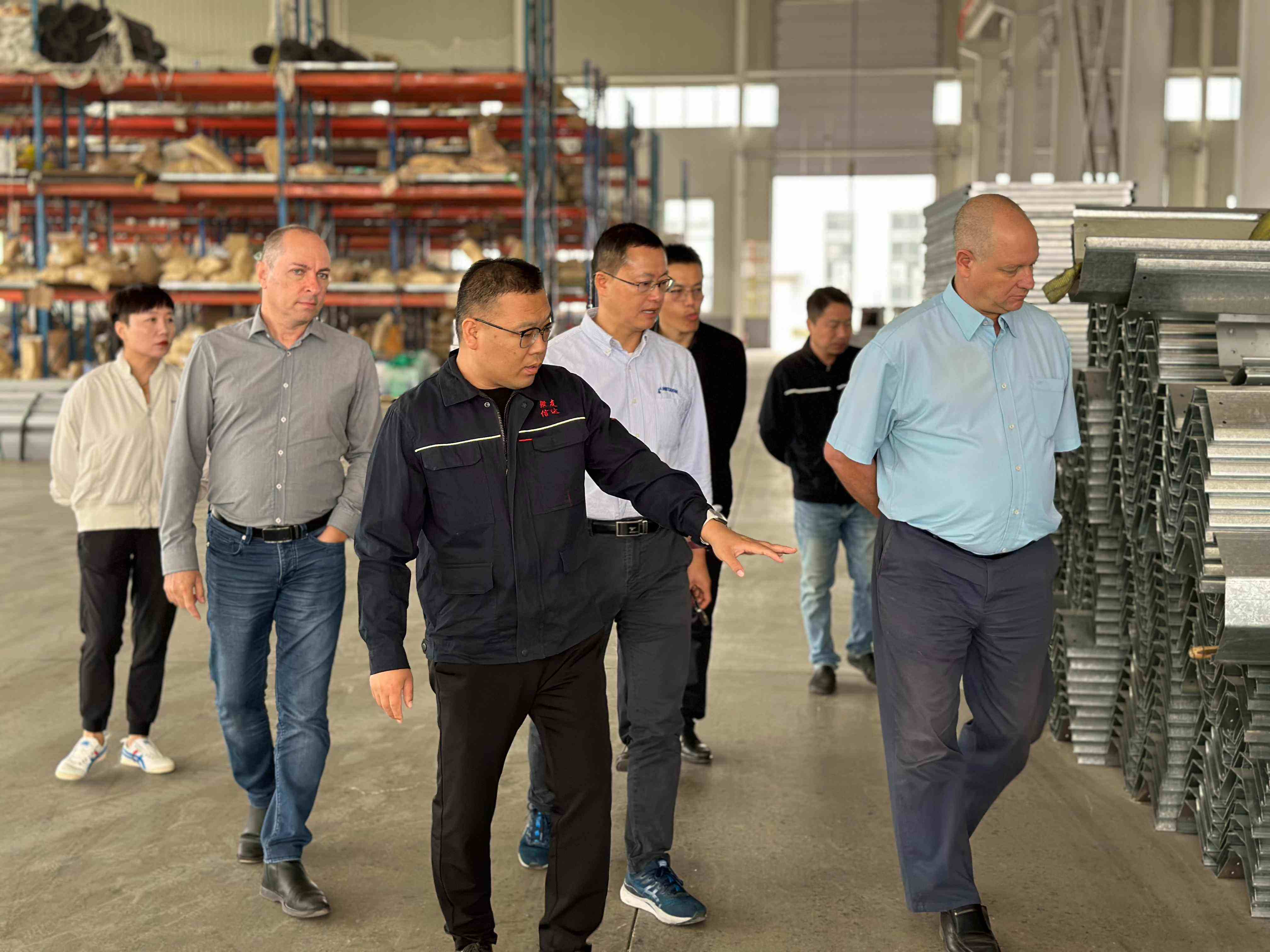
Australian Greenhouse Company Visits Our Facilities to Explore New Collaboration on 50,000 Sq.m Strawberry Glass Greenhouse Project

28

Nov

Australian Greenhouse Company Visits Our Facilities to Explore New Collaboration on 50,000 Sq.m Strawberry Glass Greenhouse Project

View More
 Innovative Breakthrough: Our Company Successfully Delivers World's First Customized

28

Nov

Innovative Breakthrough: Our Company Successfully Delivers World's First Customized "Greenhouse for Fertilizer Drying" to Malaysian Client

View More

Get a Free Quote

Our representative will contact you soon.
Email
Tel or Whatsapp
Name
Company Name
Message
0/1000

greenhouse types and structures

Advanced Climate Control Technology

Advanced Climate Control Technology

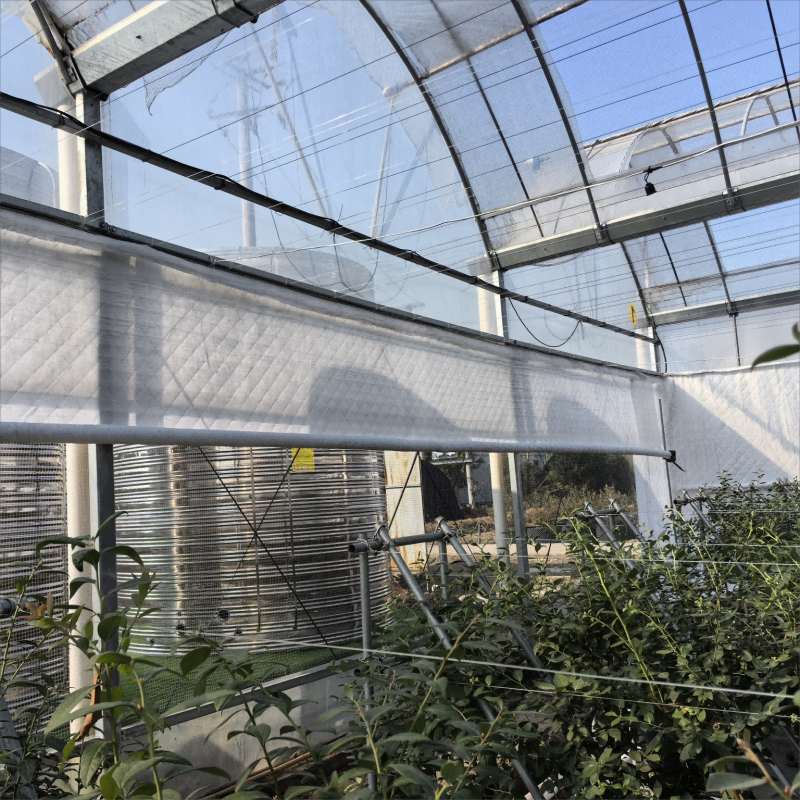
Modern greenhouse types and structures incorporate sophisticated climate control technology that revolutionizes agricultural precision and crop optimization. These systems feature computerized environmental monitoring that tracks temperature, humidity, light levels, and carbon dioxide concentrations in real-time. Advanced greenhouse types and structures utilize automated heating and cooling systems that respond instantly to environmental changes, maintaining optimal growing conditions throughout day and night cycles. Smart ventilation systems within these greenhouse types and structures automatically adjust air circulation based on internal and external weather conditions, preventing heat buildup during summer months while conserving energy during colder periods. The integration of thermal screens in premium greenhouse types and structures provides additional insulation during nighttime hours, reducing heating costs while maintaining consistent temperatures for sensitive crops. Computerized irrigation systems within modern greenhouse types and structures deliver precise water and nutrient solutions directly to plant root zones, eliminating waste while ensuring optimal plant nutrition. These greenhouse types and structures often incorporate fog systems for humidity control, creating ideal atmospheric conditions for tropical plants or high-value crops requiring specific moisture levels. Advanced lighting systems in contemporary greenhouse types and structures supplement natural sunlight with LED or high-intensity discharge lamps, enabling year-round production regardless of seasonal light variations. The technological integration in these greenhouse types and structures extends to mobile applications that allow remote monitoring and control, enabling operators to adjust environmental parameters from anywhere in the world. This technological sophistication makes greenhouse types and structures invaluable investments for serious growers seeking maximum productivity and crop quality consistency.
Structural Durability and Design Flexibility

Structural Durability and Design Flexibility

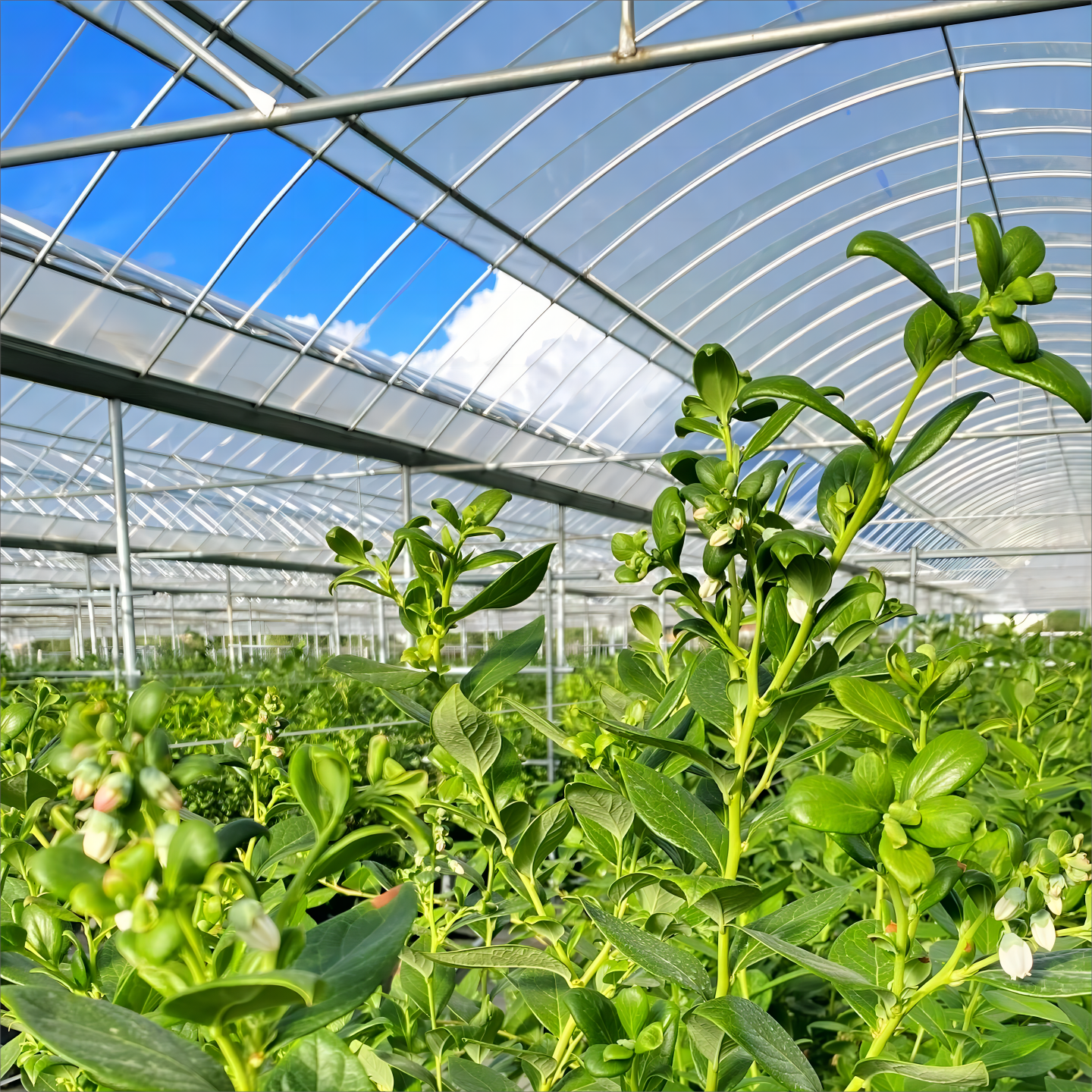
Greenhouse types and structures demonstrate exceptional structural durability combined with remarkable design flexibility that accommodates diverse growing requirements and site conditions. Engineering excellence in modern greenhouse types and structures utilizes high-grade aluminum frameworks that resist corrosion while providing superior strength-to-weight ratios compared to traditional steel constructions. These aluminum greenhouse types and structures maintain structural integrity for decades without requiring extensive maintenance or replacement, making them cost-effective long-term investments. Galvanized steel greenhouse types and structures offer alternative solutions for operations requiring maximum load-bearing capacity or extreme weather resistance in hurricane-prone regions. The modular design of contemporary greenhouse types and structures enables easy expansion or reconfiguration as operational needs evolve, allowing businesses to scale their facilities without complete reconstruction. Customizable bay widths in modern greenhouse types and structures accommodate various crop types and growing systems, from narrow benches for potted plants to wide spans for ground cultivation or hydroponic systems. Roof slope variations in greenhouse types and structures optimize snow load distribution in northern climates while maximizing internal volume for taller crops like tomatoes or cucumbers. Sidewall heights in contemporary greenhouse types and structures can be adjusted to accommodate specific ventilation requirements or equipment installations such as heating systems or automated handling equipment. Foundation options for greenhouse types and structures include concrete perimeters, gravel beds, or specialized anchor systems that adapt to different soil conditions and local building codes. Weather-resistant covering materials in modern greenhouse types and structures range from tempered glass to multi-wall polycarbonate panels, each offering specific advantages in terms of light transmission, insulation properties, and impact resistance. This design flexibility ensures that greenhouse types and structures can be optimized for specific crops, climates, and operational budgets while maintaining structural reliability for years of productive use.
Economic Return on Investment

Economic Return on Investment

Greenhouse types and structures deliver exceptional economic return on investment through multiple revenue-generating mechanisms and cost-reduction strategies that transform agricultural profitability. These controlled environments enable premium pricing for out-of-season produce when market demand exceeds outdoor supply capabilities, often commanding prices fifty to one hundred percent higher than standard seasonal rates. Greenhouse types and structures support intensive cultivation methods that produce significantly higher yields per square foot compared to field agriculture, with some operations achieving ten times greater productivity in equivalent growing areas. Year-round production capabilities in greenhouse types and structures generate continuous cash flow rather than seasonal income patterns, providing financial stability and predictable revenue streams for agricultural businesses. Reduced crop losses in greenhouse types and structures eliminate weather-related devastation that can destroy entire harvests in outdoor farming, protecting investment capital and ensuring consistent product availability for market contracts. Energy efficiency improvements in modern greenhouse types and structures incorporate renewable energy systems, thermal mass storage, and waste heat recovery that substantially reduce operational costs while maintaining optimal growing conditions. Labor productivity gains within greenhouse types and structures result from comfortable working conditions, organized growing systems, and reduced time spent on weather protection or pest management activities. Premium crop quality achieved in greenhouse types and structures commands higher market prices due to consistent appearance, extended shelf life, and reduced chemical residue levels that appeal to health-conscious consumers and high-end restaurants. Water conservation benefits of greenhouse types and structures reduce irrigation costs while supporting sustainable farming certifications that access premium market segments and government incentive programs. Reduced transportation costs emerge when greenhouse types and structures enable local production near urban markets, eliminating shipping expenses while providing fresher products with longer shelf life. These economic advantages make greenhouse types and structures intelligent investments that typically recover initial costs within three to five years while generating substantial profits for decades of continued operation.

Get a Free Quote

Our representative will contact you soon.
Email
Tel or Whatsapp
Name
Company Name
Message
0/1000