 EN
EN



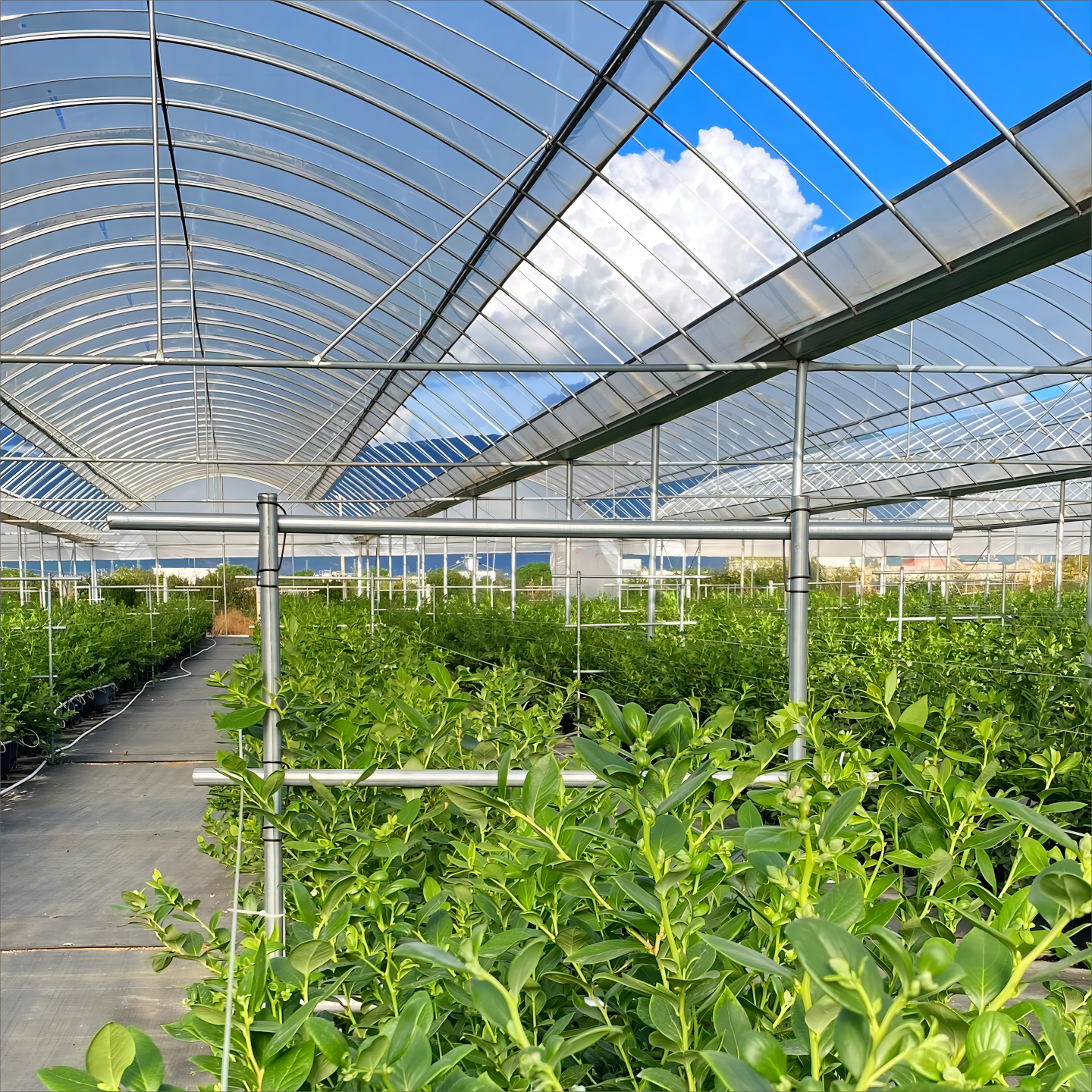
Maintaining optimal environmental conditions within a flower greenhouse is essential for maximizing bloom quality, extending growing seasons, and ensuring consistent crop yields. Temperature and light are the two most critical factors that directly influence photosynthesis rates, flowering cycles, and overall plant health. Understanding how a flower greenhouse controls these variables enables growers to create precise microclimates that meet the specific physiological requirements of different flower species, from roses and tulips to orchids and chrysanthemums.
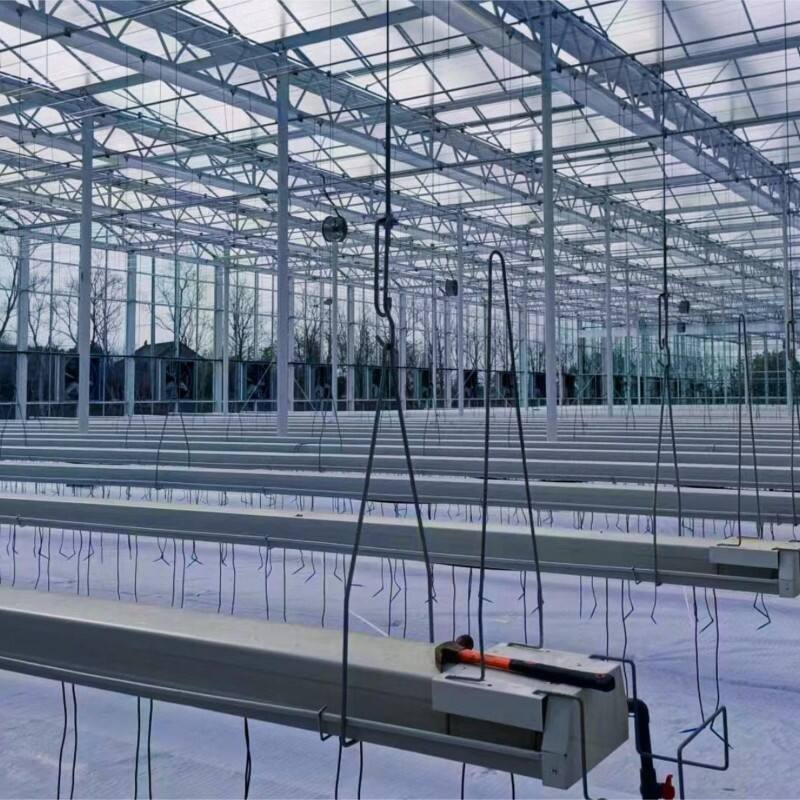
Modern flower greenhouse systems integrate mechanical heating and cooling technologies with automated shading and supplemental lighting equipment to maintain stable conditions year-round. These control mechanisms operate through feedback loops that monitor real-time environmental data and adjust outputs accordingly. The design and operation of these systems are tailored to balance energy efficiency with crop performance, accounting for external weather patterns, greenhouse structural characteristics, and the metabolic demands of cultivated flower varieties throughout their growth stages.
Temperature Control Systems in Flower Greenhouses
Heating Technologies and Distribution Methods
Temperature regulation begins with heating systems designed to counteract cold ambient conditions during winter months or nighttime periods. A flower greenhouse typically employs either central boiler systems that circulate hot water through underfloor pipes or forced-air heaters that distribute warm air through polyethylene ducts. Radiant heating systems provide uniform warmth at the root zone, which is particularly beneficial for flower crops sensitive to cold substrate temperatures. The choice of heating method depends on greenhouse size, fuel availability, and the thermal requirements of specific flower species.
Thermal screens and energy curtains are deployed at night to reduce heat loss through the greenhouse roof. These retractable fabrics create an insulating layer that traps warm air near the crop canopy while minimizing radiation heat loss to the cold sky. In a properly managed flower greenhouse, thermal screens can reduce heating costs by twenty to thirty percent while maintaining target temperatures for optimal bud development. The timing of screen deployment is controlled by light sensors and temperature setpoints to avoid excessive humidity accumulation that could promote fungal diseases.
Ground-source heat pumps represent an increasingly popular option for sustainable temperature control in commercial flower greenhouses. These systems extract stable ground temperatures from buried pipe loops to provide both heating in winter and cooling in summer. Although initial installation costs are higher, heat pumps offer long-term energy savings and reduced carbon emissions, aligning with environmental stewardship goals while maintaining precise temperature control necessary for high-value flower production.
Cooling Strategies and Ventilation Systems
When external temperatures rise, a flower greenhouse must implement active cooling to prevent heat stress that causes flower abortion, petal burn, and shortened vase life. Natural ventilation through roof vents and sidewall openings creates air movement driven by temperature differentials and wind pressure. Automated vent controllers adjust opening angles based on internal temperature readings, allowing hot air to escape while drawing cooler air into the growing environment.
For regions with extreme heat or when natural ventilation proves insufficient, mechanical cooling systems become necessary. Evaporative cooling pads installed at one end of the flower greenhouse work in conjunction with exhaust fans at the opposite end to pull outside air through water-saturated media. As air passes through the wet pads, evaporation removes heat, lowering air temperature by ten to fifteen degrees Celsius before reaching the plants. This cooling method is most effective in arid climates with low humidity, where evaporation rates remain high.
Fog systems provide an alternative or complementary cooling approach by injecting fine water droplets directly into the greenhouse air. The rapid evaporation of these droplets absorbs heat energy while simultaneously increasing humidity, which benefits flower crops that require higher moisture levels during critical growth phases. Advanced flower greenhouse operations integrate fog systems with climate computers that calculate vapor pressure deficit and activate misting only when conditions optimize both cooling and disease prevention.
Temperature Monitoring and Automated Control
Precision temperature management in a flower greenhouse relies on distributed sensor networks that provide spatial temperature mapping throughout the growing area. Multiple thermocouples or resistance temperature detectors positioned at crop height, roof level, and near heating sources feed data to central controllers that calculate average temperatures and identify microclimatic variations. This detailed monitoring enables growers to detect equipment malfunctions, air circulation problems, or shading effects that create temperature gradients harmful to uniform flower development.
Programmable logic controllers and climate computers execute heating and cooling strategies based on time-of-day schedules, outside weather forecasts, and crop development stages. For example, a flower greenhouse producing cut roses may maintain twenty-two degrees Celsius during the day to promote active photosynthesis and reduce nighttime temperatures to sixteen degrees to encourage stem elongation and bud formation. These diurnal temperature differences mimic natural conditions and trigger physiological responses that enhance flower quality attributes valued by wholesale buyers and consumers.
Remote monitoring capabilities allow growers to track temperature performance from mobile devices and receive alerts when values deviate from acceptable ranges. This connectivity enables rapid response to equipment failures or unexpected weather events that could compromise crop value. Historical temperature data also supports post-season analysis to identify optimization opportunities and correlate environmental conditions with yield outcomes and quality metrics.
Light Management Techniques in Flower Greenhouses
Natural Light Optimization Through Structure Design
The structural characteristics of a flower greenhouse fundamentally determine natural light transmission and distribution. Glazing materials such as glass, polycarbonate, or polyethylene film each possess distinct light transmission properties measured as photosynthetically active radiation percentages. Modern flower greenhouse designs prioritize high light transmission to maximize free solar energy while incorporating anti-reflective coatings and optimal glazing angles that minimize light loss during low-angle winter sun periods.
Greenhouse orientation relative to cardinal directions influences daily light patterns and seasonal light accumulation. East-west oriented structures capture maximum light during winter when solar elevation angles are low, while north-south orientations distribute light more evenly throughout the day during summer months. The selection depends on latitude, primary production seasons, and the specific light requirements of cultivated flower species, with many commercial operations choosing north-south alignment for year-round production balance.
Structural components such as trusses, purlins, and glazing bars create shadows that reduce light availability in a flower greenhouse. Minimizing these shadow-casting elements through engineering innovations improves light distribution uniformity, which directly correlates with consistent flower quality across all bench positions. Advanced designs incorporate wide-span structures that eliminate interior support columns and employ slim-profile framing that reduces shade while maintaining structural integrity against wind and snow loads.
Shading Systems for Light Intensity Reduction
Excessive light intensity during summer months can damage flower petals, bleach foliage, and elevate temperatures beyond optimal ranges. Shading systems installed in a flower greenhouse reduce incoming solar radiation through movable screens or applied coatings that reflect or absorb excess light energy. Retractable shade cloths made from aluminized or knitted fabrics are deployed during peak radiation hours and retracted during cloudy periods or morning and evening when natural light levels drop.
The shade percentage selected depends on flower crop tolerance to light intensity and production goals. Shade-loving species such as certain orchid varieties may require fifty to seventy percent shading year-round, while sun-adapted flowers like sunflowers need minimal shading only during extreme heat events. Automated shade systems in modern flower greenhouses respond to light sensors that measure real-time photosynthetically active radiation levels and deploy shading when preset thresholds are exceeded, ensuring plants receive optimal light without manual intervention.
Whitewash or removable shading compounds applied to exterior glazing surfaces provide a low-cost alternative for seasonal shading in regions with predictable weather patterns. These coatings gradually wear away through rain and weathering, naturally reducing shade intensity as autumn approaches and light levels decline. However, fixed coatings lack the flexibility of retractable systems and cannot respond to short-term weather fluctuations, making them less suitable for precision flower greenhouse production where light management directly impacts flowering timing and quality.
Supplemental Lighting for Photoperiod and Intensity Control
Many flower species are photoperiodic, meaning their flowering response is triggered by specific day-length conditions. A flower greenhouse must provide supplemental lighting to manipulate photoperiods and schedule flowering to meet market demand. High-pressure sodium lamps, metal halide fixtures, and increasingly LED grow lights extend day length or interrupt night periods to create long-day or short-day conditions depending on crop requirements.
For example, chrysanthemums are short-day plants that initiate flowering when night length exceeds a critical duration. To delay flowering and maintain vegetative growth in a flower greenhouse, growers apply night-interruption lighting that briefly illuminates plants during the middle of the dark period, effectively creating a perceived long day. Conversely, long-day flowers such as certain petunia varieties require extended photoperiods during winter months, achieved through dusk and dawn supplemental lighting that extends the natural photoperiod to fourteen or sixteen hours.
Beyond photoperiod control, supplemental lighting increases total daily light integral in a flower greenhouse during low-light seasons. Insufficient light accumulation during winter results in stretched stems, reduced flower counts, and delayed crop timing. LED lighting systems with customized spectral outputs optimize photosynthetic efficiency by providing wavelengths preferentially absorbed by chlorophyll while minimizing energy waste on non-productive spectrum ranges. The initial investment in LED technology is offset by lower electricity consumption, reduced heat output that decreases cooling requirements, and longer fixture lifespans compared to traditional lighting technologies.
Light Distribution and Uniformity Considerations
Achieving uniform light distribution across a flower greenhouse growing area prevents quality variations and uneven crop development. Light intensity decreases with distance from the source, creating zones of high light near fixtures and low light in shadow areas. Proper fixture spacing and mounting height calculations ensure overlapping light cones that minimize dark spots and excessive intensity gradients that cause inconsistent flowering across production benches.
Reflective materials applied to greenhouse surfaces and growing structures redirect light that would otherwise be absorbed by non-productive surfaces. White paint on walls, aluminum reflective films beneath benches, and reflective mulches around plants increase effective light capture by redirecting photons back toward flower canopies. These passive light management strategies complement active lighting systems and improve overall light-use efficiency within the flower greenhouse environment.
Light sensors positioned at multiple locations throughout the flower greenhouse provide feedback for dynamic lighting control algorithms. These systems adjust supplemental lighting intensity based on real-time natural light availability, dimming or switching off artificial lights when solar radiation meets target thresholds. This integration reduces electricity costs while maintaining consistent daily light integrals necessary for predictable flowering schedules and optimal flower quality attributes.
Integration of Temperature and Light Control Systems
Synergistic Effects on Plant Physiology
Temperature and light do not function as independent variables in a flower greenhouse but interact to influence photosynthesis rates, respiration, and developmental processes. Light intensity affects leaf temperature through absorbed radiation, while temperature determines enzyme activity rates that process photosynthetic products. Understanding these interactions enables growers to optimize both parameters simultaneously rather than managing them in isolation.
High light intensity combined with low temperatures in a flower greenhouse can lead to photoinhibition, where light-capturing capacity exceeds the plant's ability to process energy through temperature-limited metabolic reactions. This imbalance causes oxidative stress and reduced photosynthetic efficiency. Conversely, high temperatures without sufficient light intensity increase respiration rates relative to photosynthesis, resulting in negative carbon balance and weakened plant vigor. Coordinated control strategies adjust heating and lighting levels proportionally to maintain optimal physiological balance.
Vapor pressure deficit, the difference between actual and saturated air humidity at a given temperature, is influenced by both heating operations and transpiration rates driven by light intensity. A well-managed flower greenhouse maintains vapor pressure deficit within ranges that promote adequate transpiration for nutrient uptake while avoiding excessive water loss that stresses plants. Climate control algorithms calculate vapor pressure deficit continuously and modulate heating, ventilation, and humidity systems to sustain optimal values throughout daily and seasonal cycles.
Energy Management and Sustainability Considerations
Heating and lighting represent the largest energy expenses in year-round flower greenhouse operations, particularly in northern latitudes with cold winters and limited natural light. Energy-efficient technologies and control strategies reduce operating costs while minimizing environmental impact. Thermal screens, efficient heating systems, and LED lighting collectively improve energy use efficiency, but proper integration through intelligent control systems maximizes these benefits.
Combined heat and power systems generate electricity for supplemental lighting while capturing waste heat for greenhouse heating needs. This cogeneration approach in a flower greenhouse achieves overall efficiencies exceeding eighty percent by utilizing both energy outputs, compared to conventional systems where waste heat is simply exhausted. The electricity generated can meet all lighting requirements while surplus heat maintains optimal temperatures, creating a highly integrated and efficient environmental control solution.
Renewable energy integration is increasingly viable for flower greenhouse operations seeking to reduce fossil fuel dependence. Solar photovoltaic arrays generate daytime electricity that powers ventilation fans, control systems, and supplemental lighting, while battery storage systems provide energy during peak demand periods. Biomass boilers burning agricultural waste or wood chips offer carbon-neutral heating alternatives in regions with available feedstocks. These sustainable energy sources reduce long-term operational costs while enhancing the environmental profile of flower production operations.
Crop-Specific Climate Recipes
Different flower species and cultivars exhibit distinct optimal ranges for temperature and light parameters throughout their growth cycles. A flower greenhouse producing multiple crops must implement zone-specific climate recipes or schedule production to accommodate compatible species simultaneously. Advanced operations utilize movable partition walls or separate compartments to create distinct climate zones within a single structure, maximizing production diversity without compromising individual crop quality.
For instance, cool-season flowers such as ranunculus thrive at daytime temperatures of fifteen to eighteen degrees Celsius with high light intensity, while tropical orchids prefer twenty-five to thirty degrees with filtered light. A diversified flower greenhouse operation develops detailed climate recipes for each crop that specify temperature setpoints, acceptable ranges, light intensity targets, photoperiod requirements, and daily light integral goals for each production phase from propagation through harvest.
Historical production data combined with climate records enable continuous refinement of these recipes through data-driven analysis. Machine learning algorithms can identify optimal climate combinations that maximize quality metrics such as stem length, flower size, color intensity, and vase life while minimizing resource inputs. This precision approach transforms environmental control from a reactive process into a proactive optimization strategy that continuously improves flower greenhouse performance and profitability.
Challenges and Solutions in Environmental Control
Managing Extreme Weather Events
Unexpected weather extremes test the resilience of flower greenhouse control systems. Prolonged cold snaps strain heating capacity and increase fuel costs, while heat waves challenge cooling systems and may exceed equipment design specifications. Robust control strategies incorporate buffer capacity through oversized equipment, backup heating sources, and emergency cooling protocols that prioritize crop protection during equipment failures or utility interruptions.
Weather forecasting integration allows a flower greenhouse to implement preemptive control adjustments before extreme conditions arrive. Deploying thermal screens early before temperature drops, pre-cooling structures before anticipated heat waves, and adjusting irrigation schedules to support transpirational cooling improve system responsiveness and reduce stress on both equipment and crops. Predictive algorithms that incorporate weather forecasts into climate control decisions represent a significant advancement over purely reactive control strategies.
Structural reinforcements and design considerations enhance flower greenhouse resilience against weather-related damage. Snow load capacity, wind resistance ratings, and drainage systems prevent catastrophic failures that compromise environmental control systems. Regular maintenance schedules ensure heating equipment, ventilation motors, and shade systems operate reliably when extreme conditions demand peak performance.
Balancing Cost and Precision
The economic viability of precision environmental control in a flower greenhouse depends on balancing technology investment against incremental crop value improvements. High-end climate computers, sensor networks, and automated systems require substantial capital expenditure that must be justified through increased yields, improved quality, reduced labor costs, or shortened production cycles. Small-scale operations often implement simplified control approaches that achieve acceptable results at lower investment levels.
Economic analysis tools help growers evaluate control system investments by modeling potential returns based on crop value, production volume, energy prices, and labor rates. For high-value flowers such as premium roses or specialty orchids, precision control systems that optimize quality attributes command premium prices that rapidly justify technology costs. Conversely, commodity flower production may prioritize basic environmental control that maintains acceptable growing conditions at minimum cost rather than pursuing optimal performance.
Modular system designs allow flower greenhouse operators to implement environmental control capabilities incrementally as production expands or crop mix shifts toward higher-value species. Beginning with basic heating and ventilation systems, growers can add supplemental lighting, automated shading, advanced sensors, and climate computers as budget permits and production expertise develops. This staged approach reduces initial financial barriers while providing a clear upgrade path toward more sophisticated environmental management.
Disease and Pest Management Through Climate Control
Environmental conditions within a flower greenhouse directly influence disease pressure and pest population dynamics. High humidity combined with moderate temperatures creates ideal conditions for fungal pathogens such as botrytis and powdery mildew, while warm, dry conditions favor spider mite proliferation. Strategic climate control can suppress disease development and reduce chemical pesticide requirements through cultural management approaches.
Maintaining adequate air circulation through continuous ventilation fan operation prevents stagnant microclimates where humidity accumulates on leaf surfaces. Temperature management that creates small diurnal variations disrupts the optimal conditions required by many pathogens. Some flower greenhouse operations implement brief heating pulses during early morning hours to rapidly evaporate dew from plant surfaces, preventing the extended leaf wetness periods necessary for fungal spore germination.
Integrated pest management strategies in a flower greenhouse incorporate environmental monitoring as a decision tool for intervention timing. Automated pest counting systems using image analysis identify population thresholds that trigger control measures, while climate data helps predict peak pest activity periods. This data-driven approach reduces broad-spectrum pesticide applications while maintaining effective pest suppression through precisely timed biological controls or targeted chemical treatments.
FAQ
What temperature range is optimal for most flower greenhouse crops?
Most common flower greenhouse crops thrive within a daytime temperature range of eighteen to twenty-four degrees Celsius and nighttime temperatures of fourteen to eighteen degrees Celsius. However, specific optimal ranges vary significantly by species. Cool-season flowers such as pansies and snapdragons prefer cooler temperatures near the lower end of this range, while tropical flowers like anthuriums require warmer conditions above twenty degrees Celsius consistently. Proper temperature control requires understanding the specific requirements of cultivated varieties and adjusting setpoints accordingly throughout different growth stages.
How does supplemental lighting affect electricity costs in a flower greenhouse?
Supplemental lighting can represent thirty to fifty percent of total energy costs in a year-round flower greenhouse operation in northern climates where winter photoperiods are short and natural light intensity is low. LED technology has significantly reduced these costs compared to traditional high-pressure sodium systems by delivering equivalent light output with fifty to sixty percent less electricity consumption. The actual cost impact depends on local electricity rates, lighting duration required for specific crops, fixture efficiency, and whether photoperiod control or light intensity supplementation is the primary objective. Economic analysis should compare lighting costs against the value of improved crop timing, quality, and yield to determine profitability.
Can a flower greenhouse maintain stable conditions without automated control systems?
Small-scale flower greenhouse operations can achieve acceptable environmental stability through manual control methods, particularly in regions with moderate climates and when growing tolerant flower species. Manual thermostat adjustment, timer-based ventilation, and scheduled shade cloth deployment provide basic climate control at minimal equipment cost. However, maintaining precise conditions requires frequent monitoring and adjustment, consuming significant labor time and producing less consistent results than automated systems. As production scale increases or crop requirements become more demanding, automated controls become economically justified through labor savings, improved precision, and reduced crop losses from environmental stress events.
What are the main differences between glass and plastic covering materials for flower greenhouse light transmission?
Glass provides the highest light transmission for a flower greenhouse, typically achieving ninety percent or higher for photosynthetically active radiation, and maintains this transmission level for decades without degradation. Glass also offers superior clarity and does not expand and contract significantly with temperature changes. Polycarbonate and polyethylene film alternatives cost less initially and provide better insulation properties but transmit slightly less light, typically eighty-five to ninety percent when new. Plastic materials degrade over time through ultraviolet exposure, with film coverings requiring replacement every three to five years and polycarbonate panels gradually yellowing and losing transmission over ten to fifteen years. The choice depends on budget, expected structure lifespan, and whether light transmission or insulation performance is prioritized for the specific flower crops and climate conditions.
Table of Contents
- Temperature Control Systems in Flower Greenhouses
- Light Management Techniques in Flower Greenhouses
- Integration of Temperature and Light Control Systems
- Challenges and Solutions in Environmental Control
-
FAQ
- What temperature range is optimal for most flower greenhouse crops?
- How does supplemental lighting affect electricity costs in a flower greenhouse?
- Can a flower greenhouse maintain stable conditions without automated control systems?
- What are the main differences between glass and plastic covering materials for flower greenhouse light transmission?